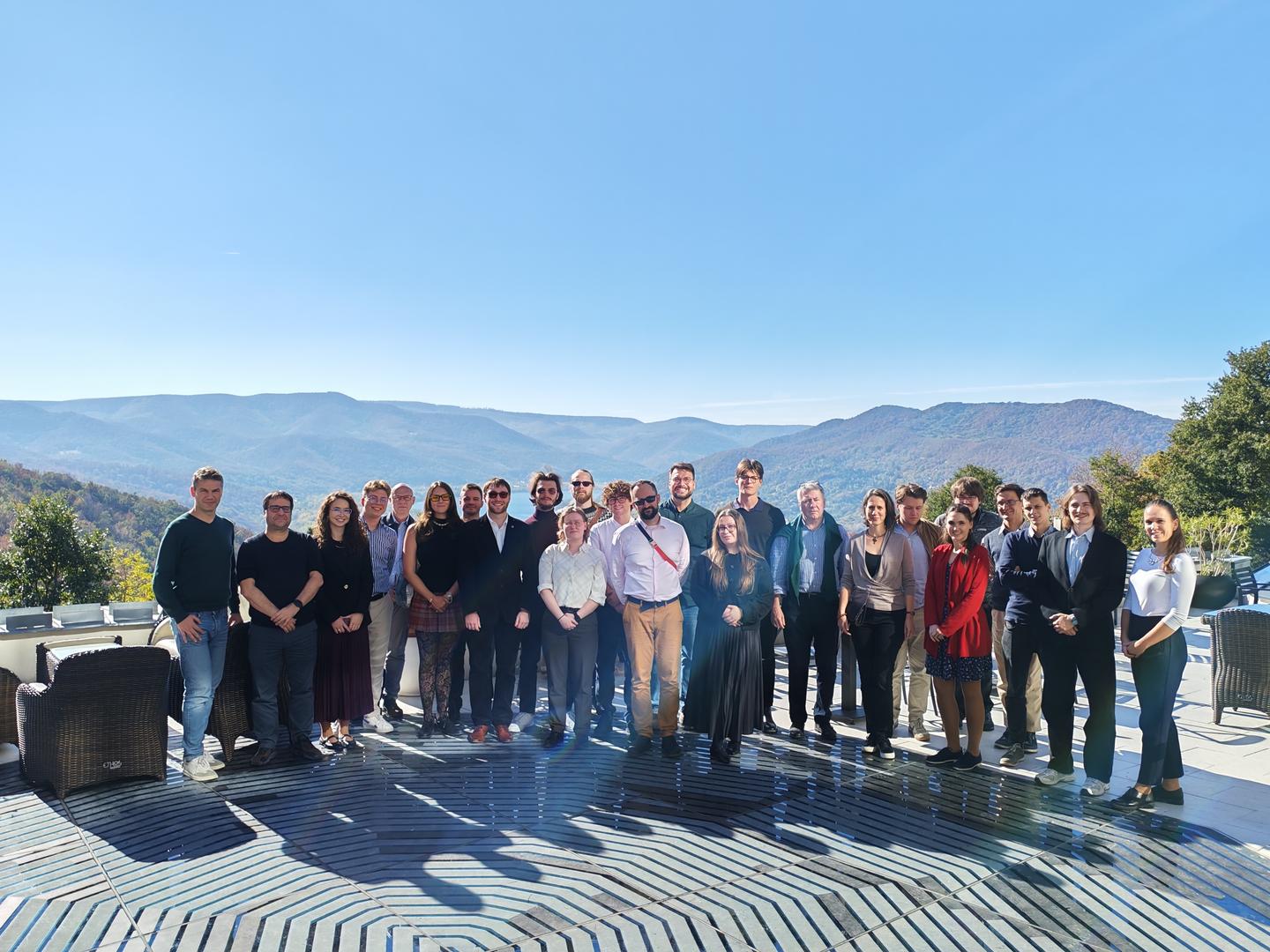
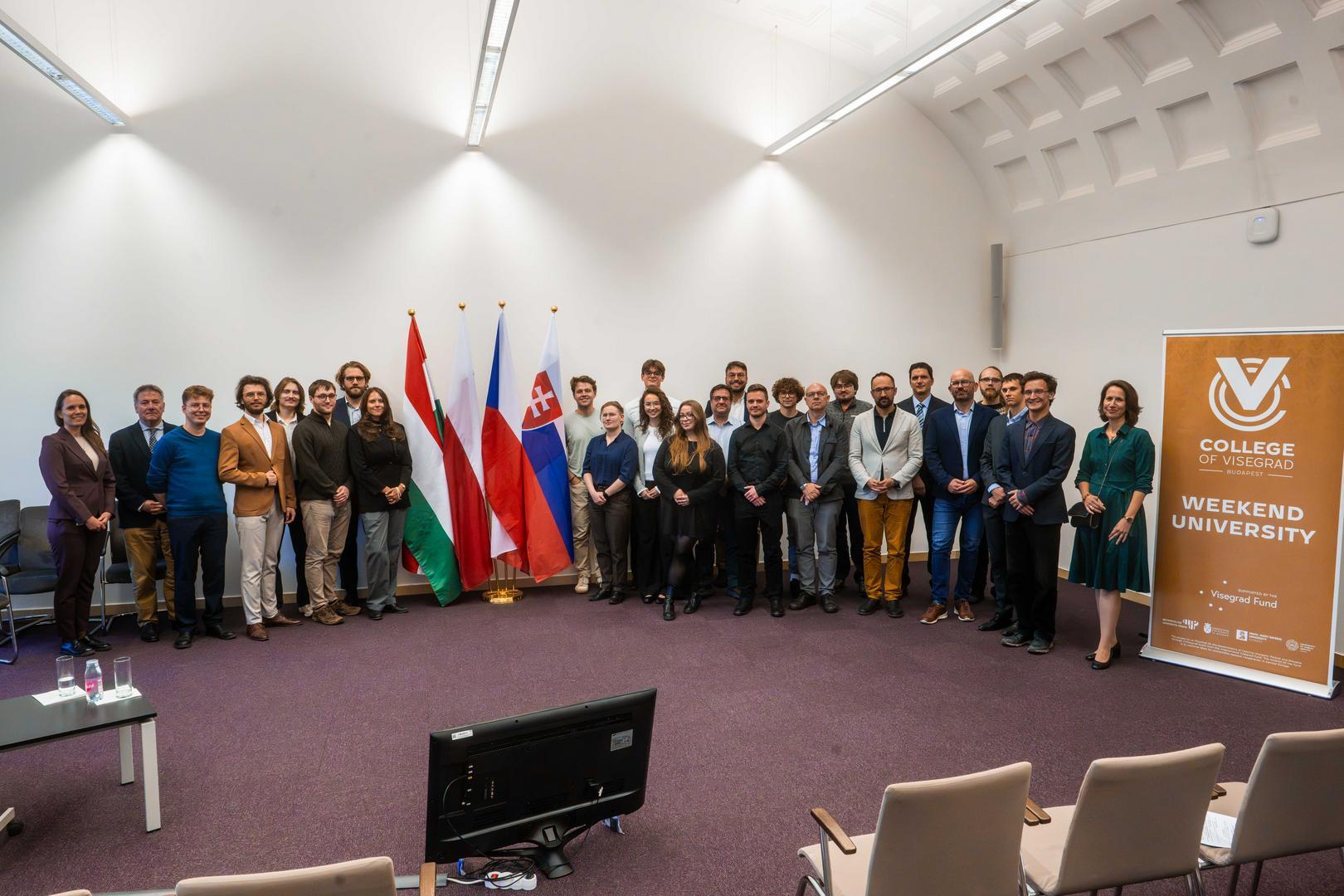
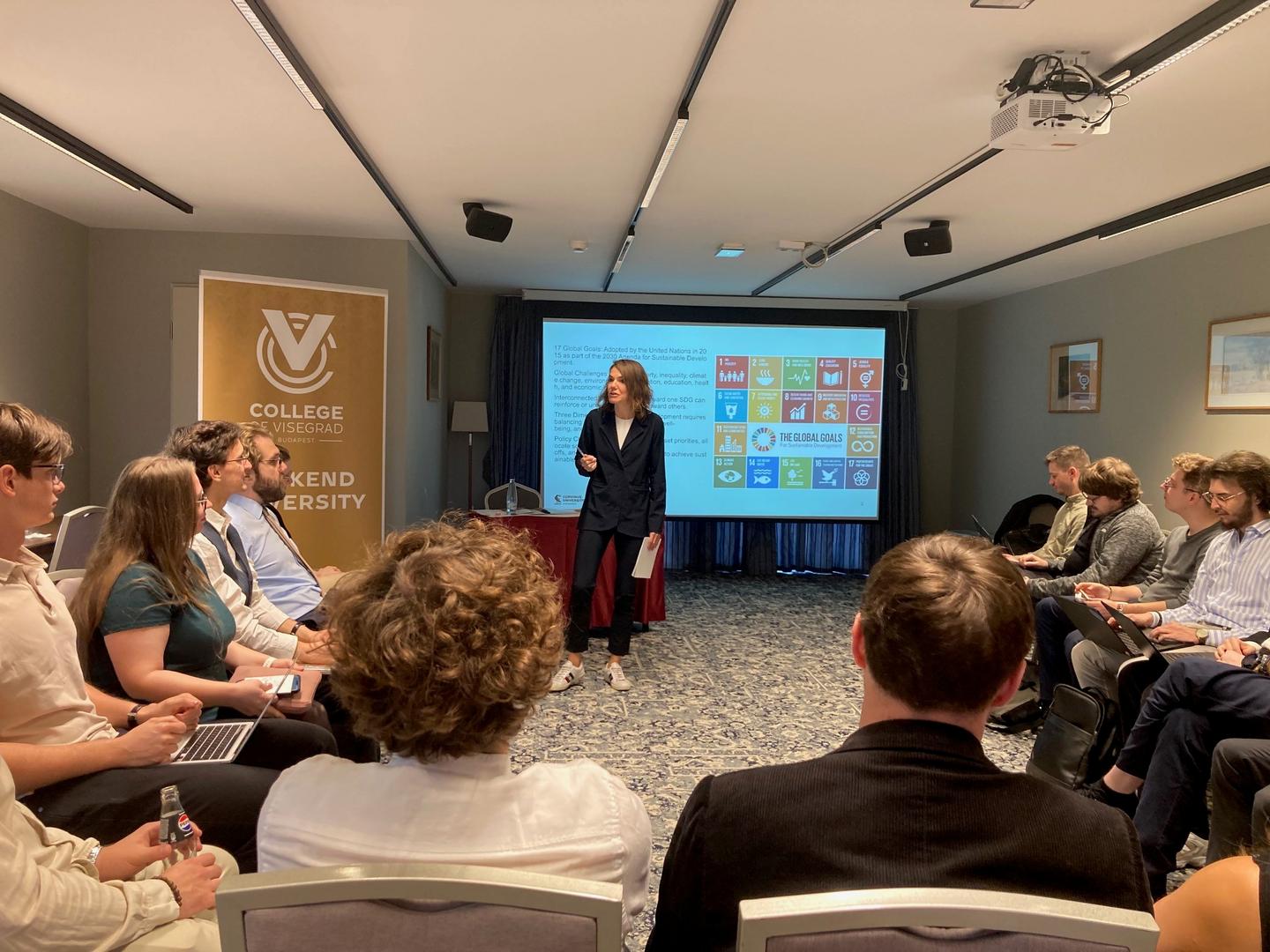
Between 16 and 19 October 2026, we organised the 6th College of Visegrad+ event, that took place in Budapest and Visegrad. This time we focused on „Sustainable competitiveness and competitive sustainability”.
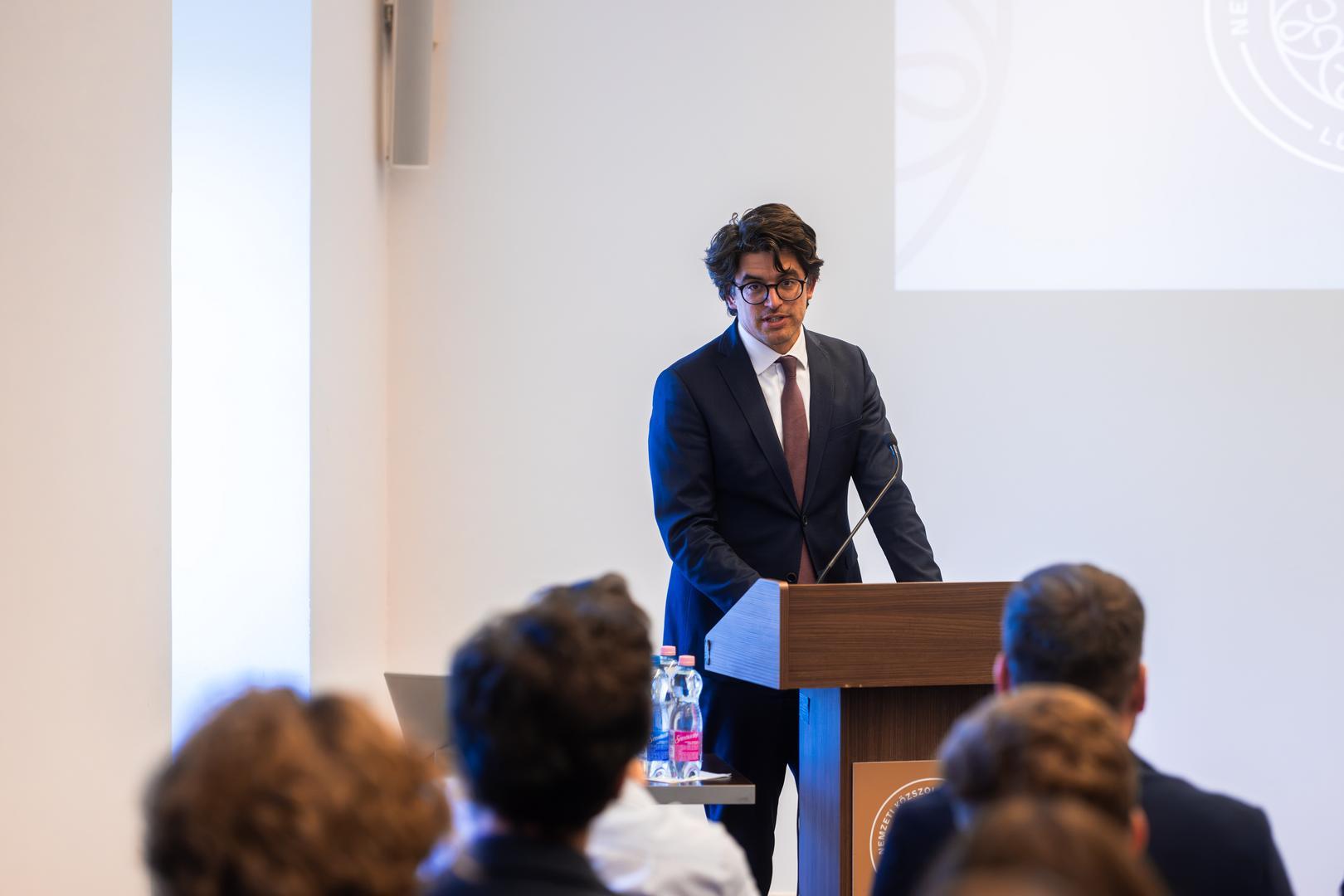
The programme started in Budapest with a conference at Ludovika University of Public Service. Following the opening remarks by Gergely Prőhle, Director of the John Lukacs Institute for Strategy and Politics, and a welcoming address by György Velkey, Parliamentary State Secretary at the Ministry of Foreign Affairs, the keynote speeches explored the relationship between sustainability and competitiveness from both policy and innovation perspectives. István Bart, climate policy expert and Deputy State Secretary for Electrification and Decarbonisation at the Ministry of Economy and Energy, addressed the question of whether sustainability and competitiveness should be seen as competing priorities or as objectives that can reinforce one another. Adam Rottenbacher, Head of Operations at the European Institute of Innovation, presented the role of the EIT in tackling global challenges and strengthening Europe’s competitiveness through innovation and collaboration.
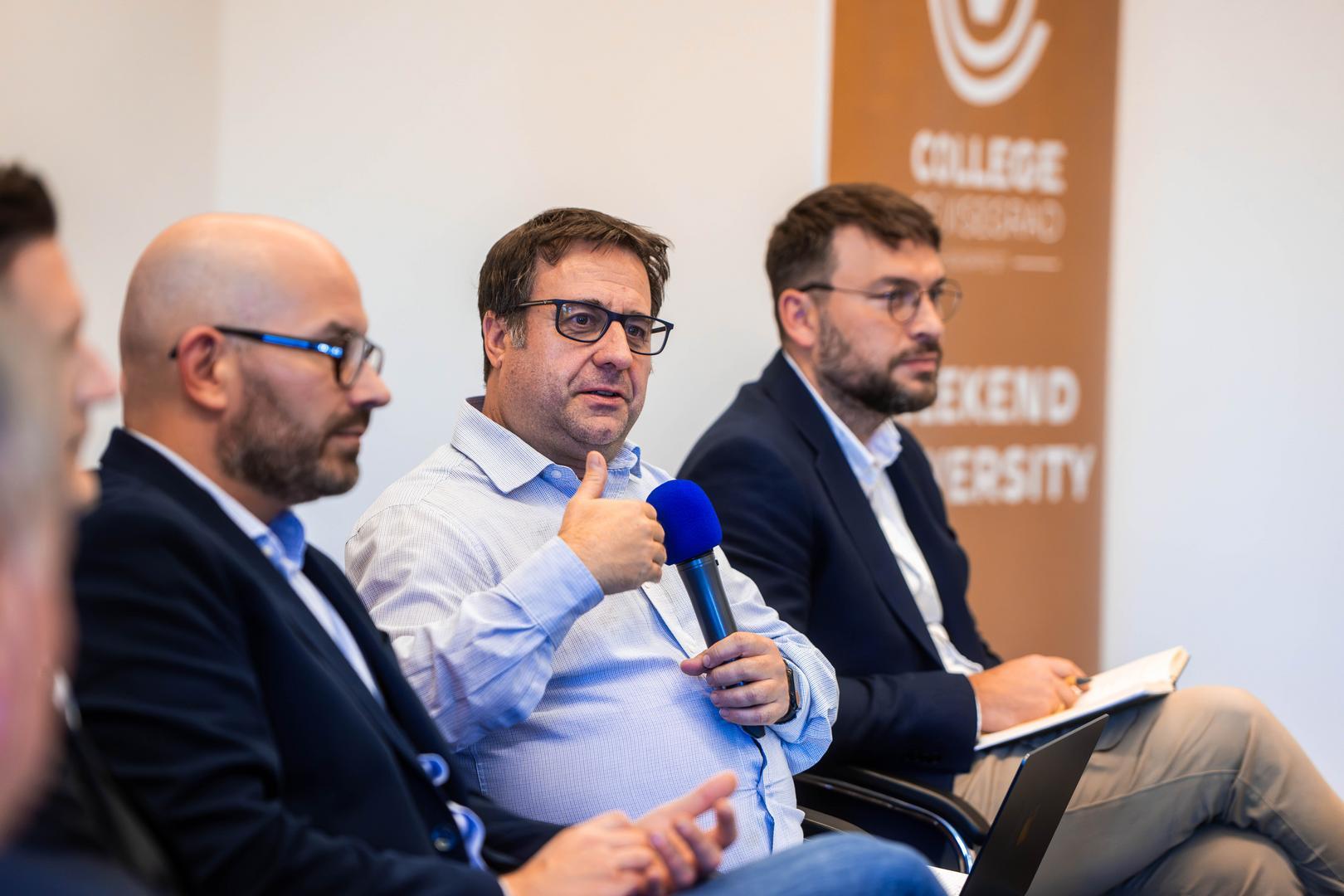
The opening conference continued with a roundtable discussion entitled “Sustainability and Politics: Are European Policies Driven by Values or Interests? Realpolitik and/or Idealpolitik in the V4 Countries”. The discussion brought together István Bart, Adam Rottenbacher, Petr Just, Vice-Rector for Quality and Development and Head of the Department of Political Science and Anglophone Studies at Metropolitan University Prague, and Piotr Arak, Chief Economist at VeloBank, Assistant Professor at the University of Warsaw. The speakers examined the relationship between political values and national interests, considering how sustainability priorities intersect with economic competitiveness and political decision-making in the Visegrad countries.
In the following days, interactive lectures and a workshop held in Visegrád provided the participants with the opportunity to examine the issue of sustainability from legal, economic, political and social perspectives, with a particular focus on the challenges facing the Visegrad Group (V4) countries.
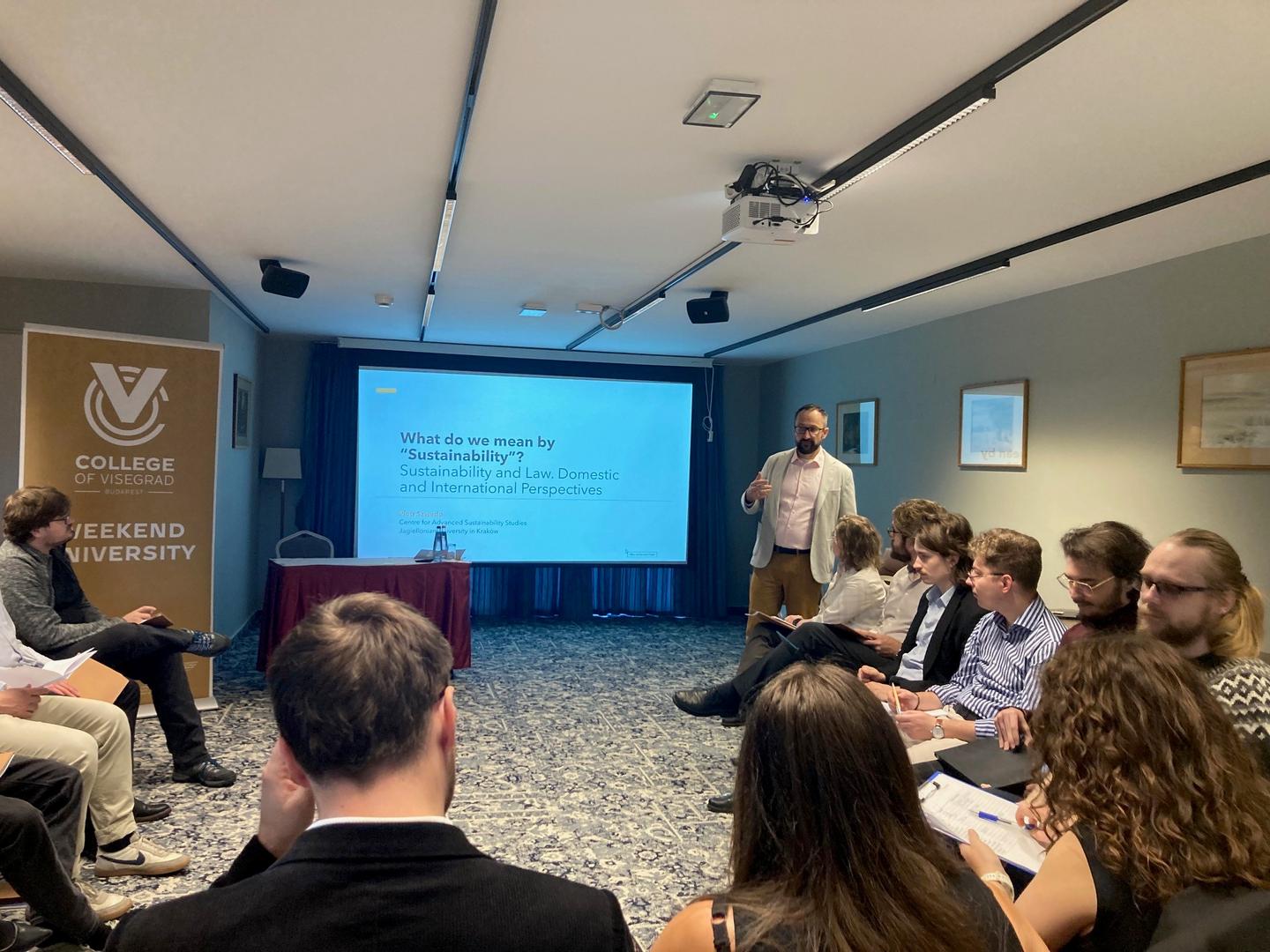
Piotr Szwedo, Associate Professor at the Sustainable Development Law Centre at the Jagiellonian University in Kraków examined the meaning of sustainability and its relationship with law, drawing on domestic and international perspectives. Piotr Arak then discussed the current state of sustainability in the V4 economies, focusing on the challenges and opportunities facing the region and the question of whether sustainability requirements can also promote economic competitiveness.
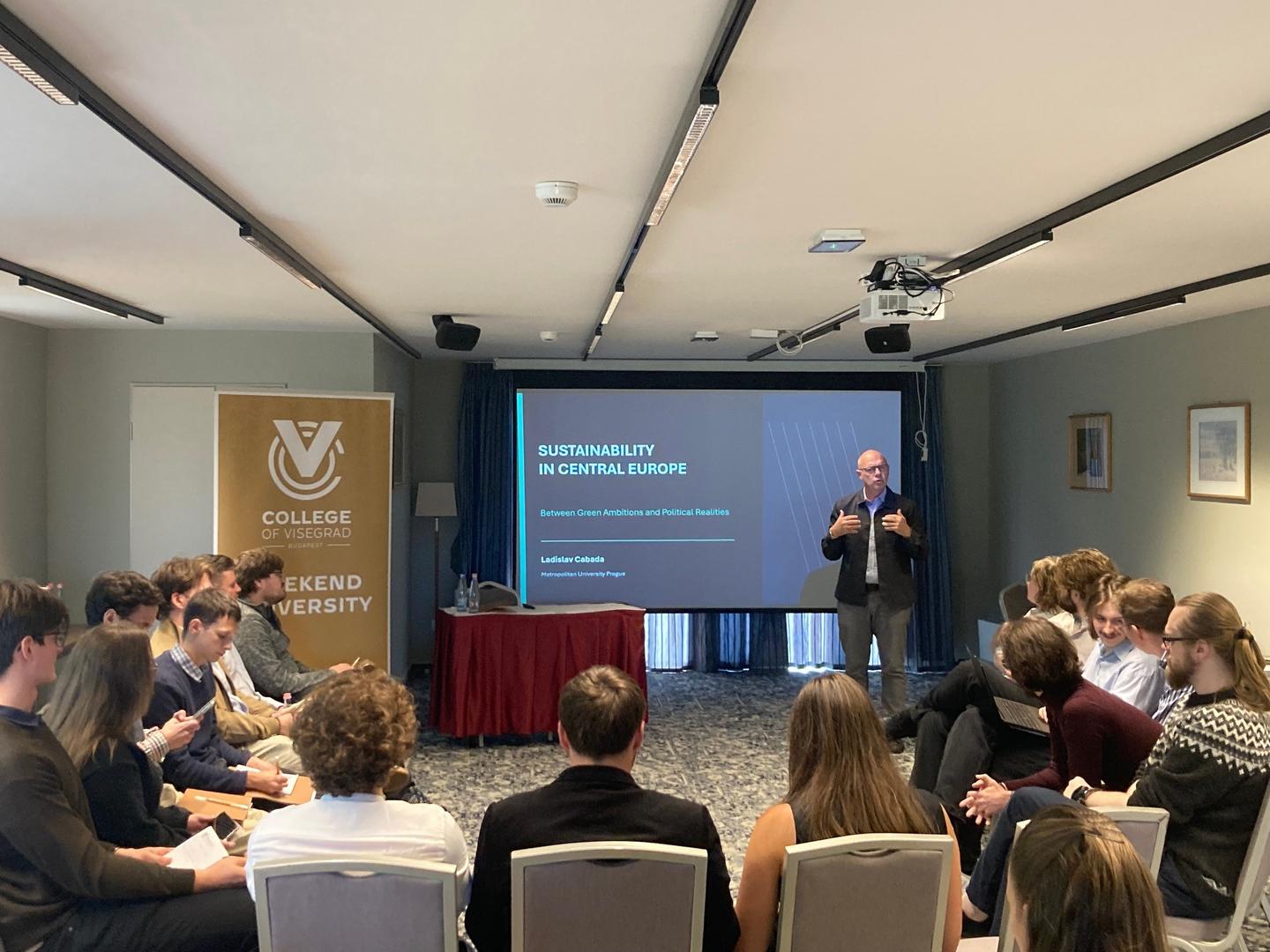
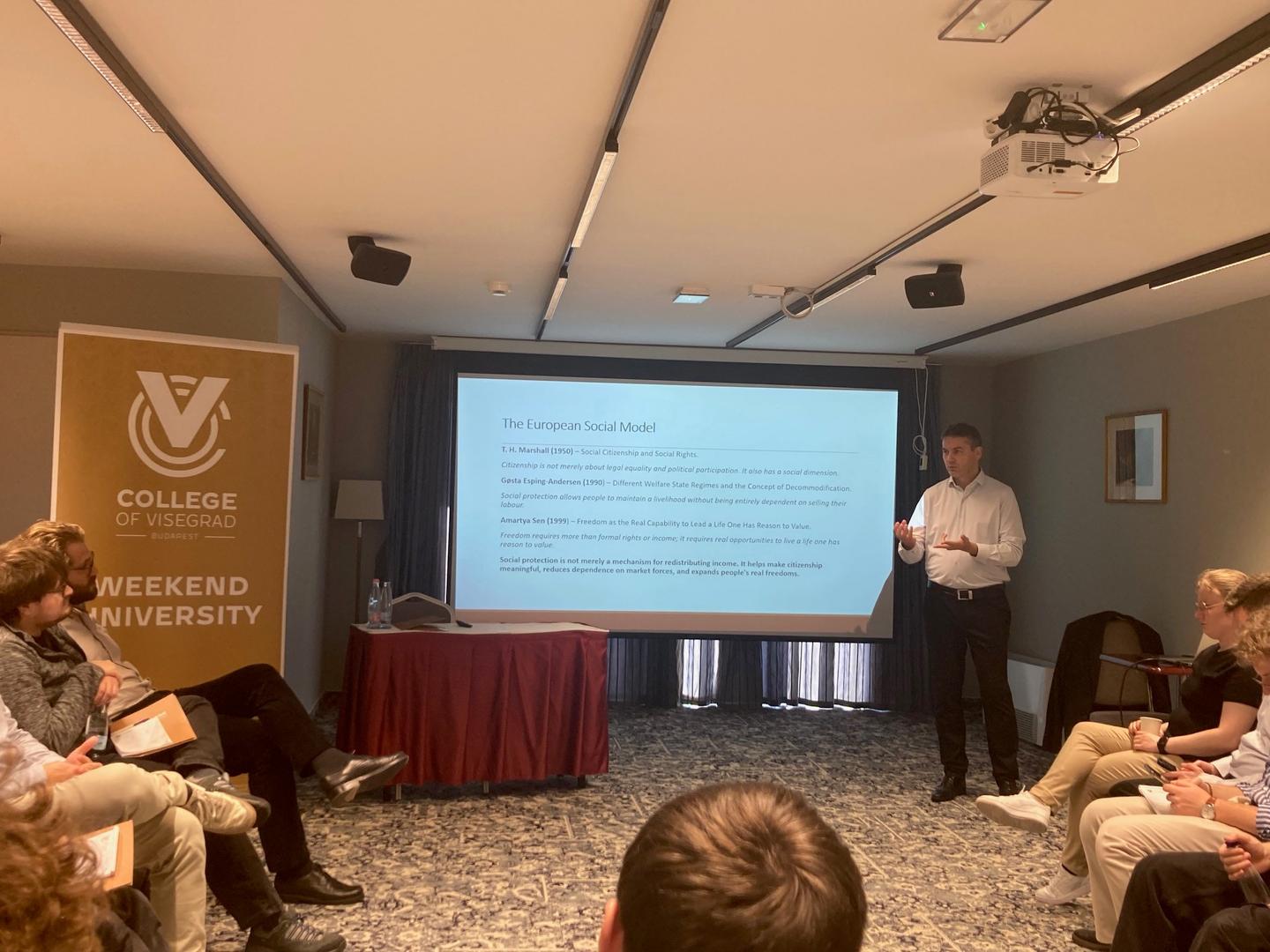
The political dimension of sustainability was addressed by Ladislav Cabada, Professor at the Department of Political Science and International Relations at the University of West Bohemia in Pilsen. His presentation explored sustainability in Central Europe from a political perspective. Marcel Dolobáč, Vice-Dean of the Faculty of Law at Pavol Jozef Šafárik University in Slovakia, turned to the social dimension, examining how demographic challenges affect social systems and how labour market practices and working patterns can be adapted to promote greater social well-being.
On 18 October, the programme concluded with an interactive workshop moderated by Éva Kovács, Associate Professor at Corvinus University of Budapest. To make these sustainability concepts tangible, participantsgot the task to simulate in groups "How to make difficult Decisions for a Sustainable City” at a City Council.
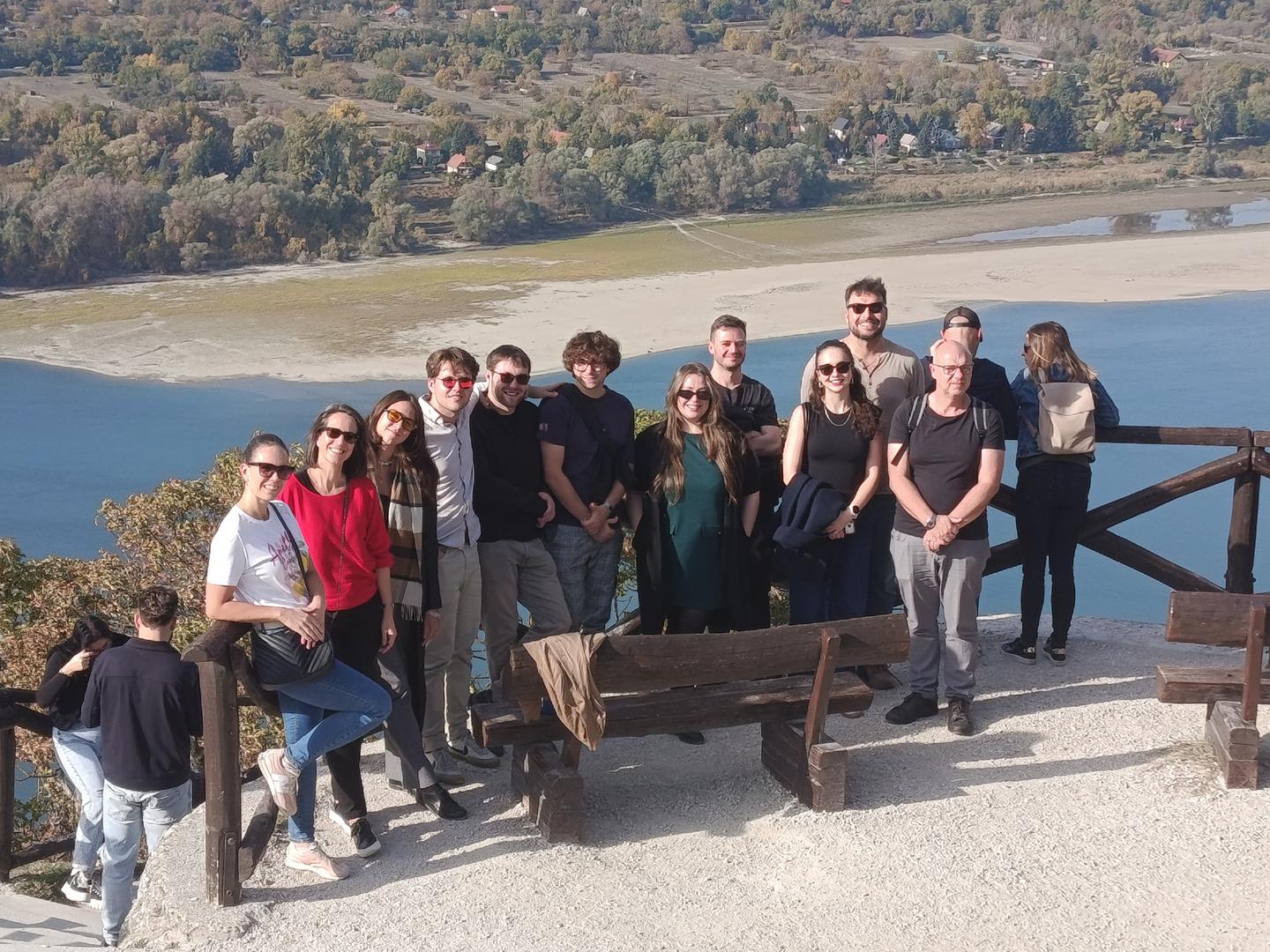
Alongside the academic programme, participants also had the opportunity to enjoy the cultural and natural attractions of Visegrád, including a visit to the Zsitvay Lookout Tower and the historic Visegrád Citadel, as well as watching the Czech film Pelíšky.
Altogether 17 students and young professionals and 7 University professors, from all the countries of the Visegrad Group took part in the Programme.
Special thanks to the International Visegrad Fund (IVF), because this project was co-financed by the Governments of Czechia, Hungary, Poland and Slovakia through a Visegrad Grant from the IVF. The mission of the fund is to advance ideas for sustainable regional cooperation in Central Europe. For more information, please visit the website of the Fund.