Small and Middle Power Strategies in the Indo-Pacific – Conference Report
On October 20, 2026, the John Lukacs Institute for Strategy and Politics at the Ludovika University of Public Service hosted a conference titled “Small and Middle Power Strategies in the Indo-Pacific”, aimed at providing a comprehensive overview of the room for manoeuvre, strategies of small and middle powers, and the rise of minilateralism in the Indo-Pacific region. At the opening of the event, Pier Paolo Pigozzi, Vice-Rector for International Affairs at the Ludovika University of Public Service, welcomed the participants, emphasizing that studying the dynamics of the Indo-Pacific region yields important lessons for Europe as well.
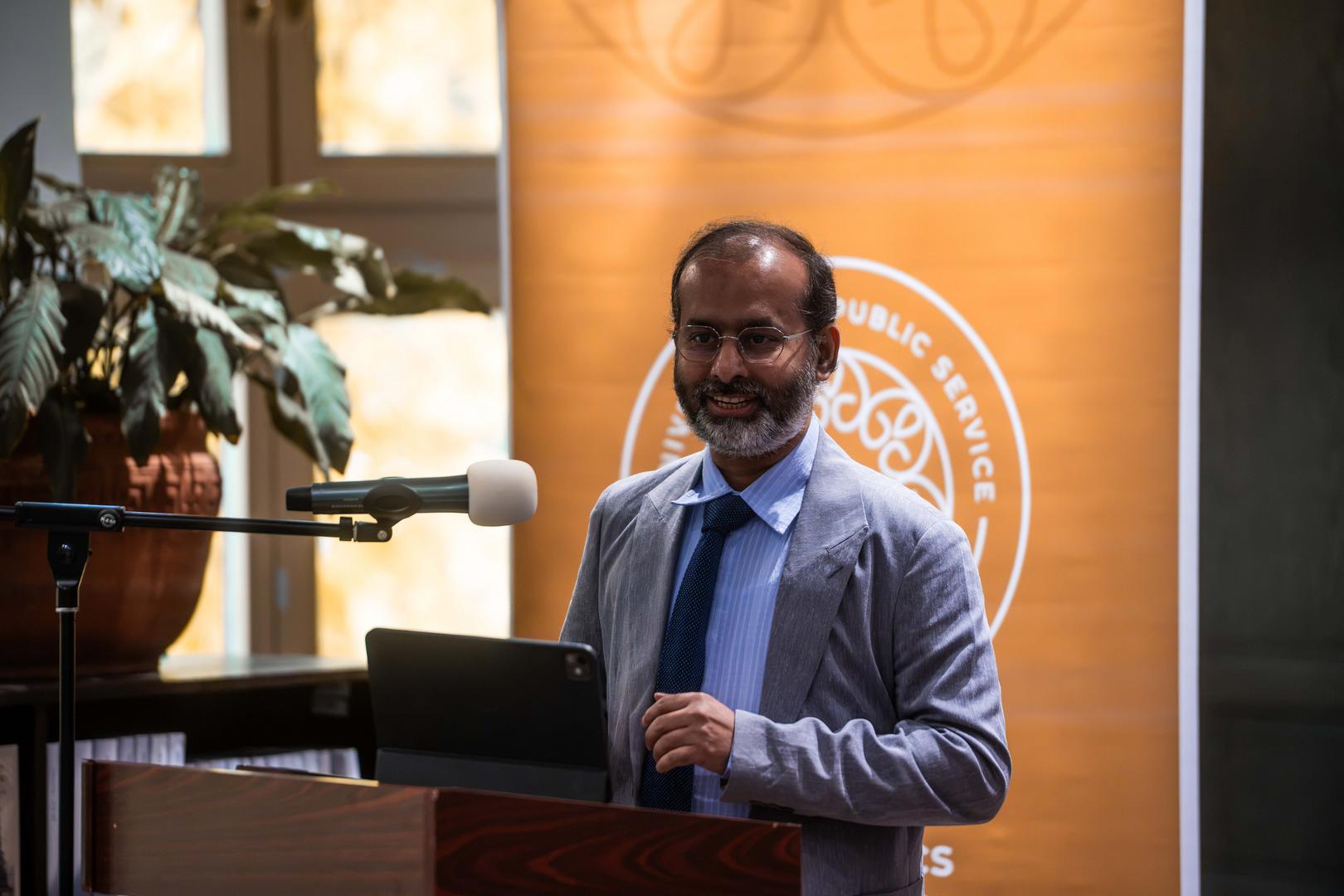


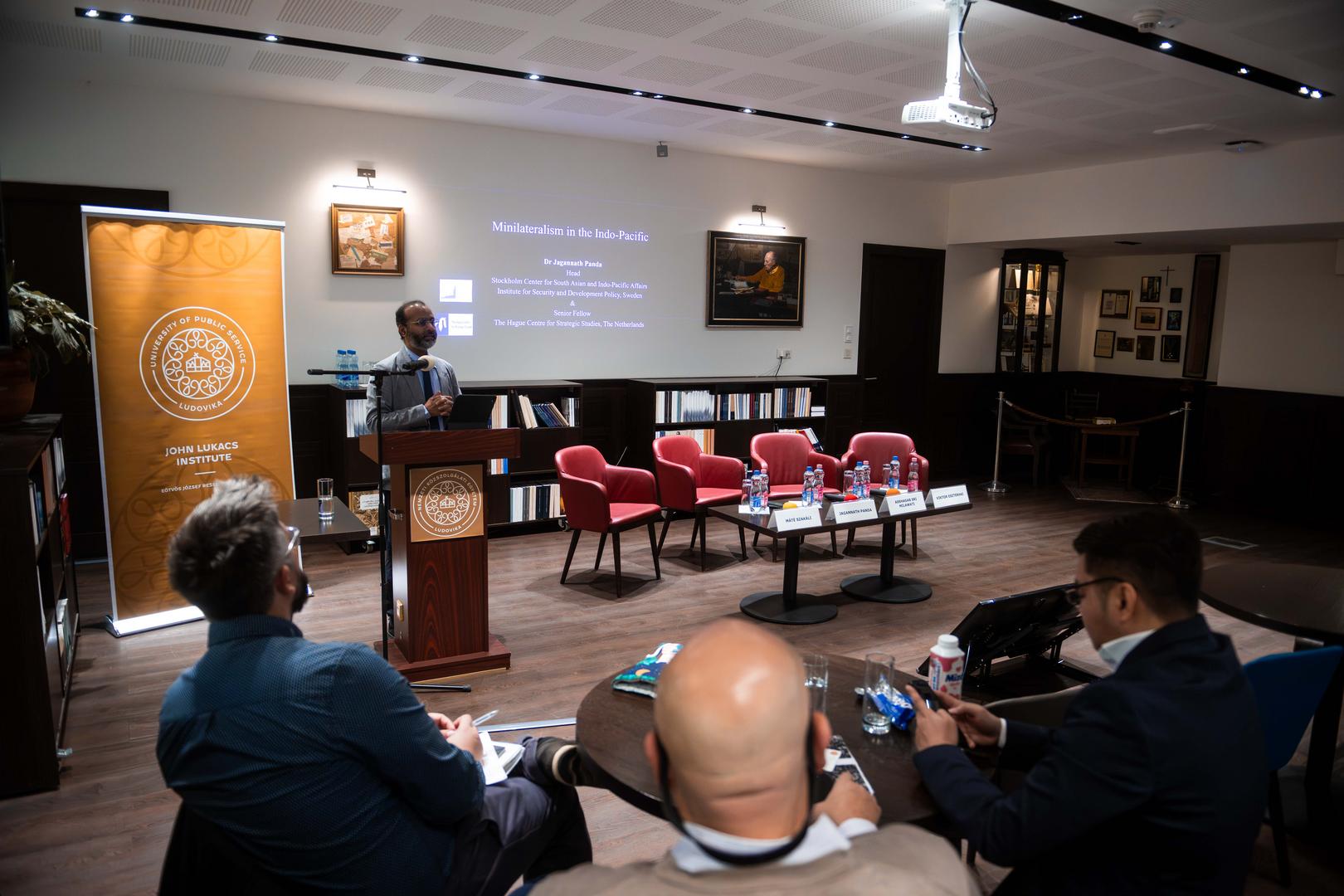
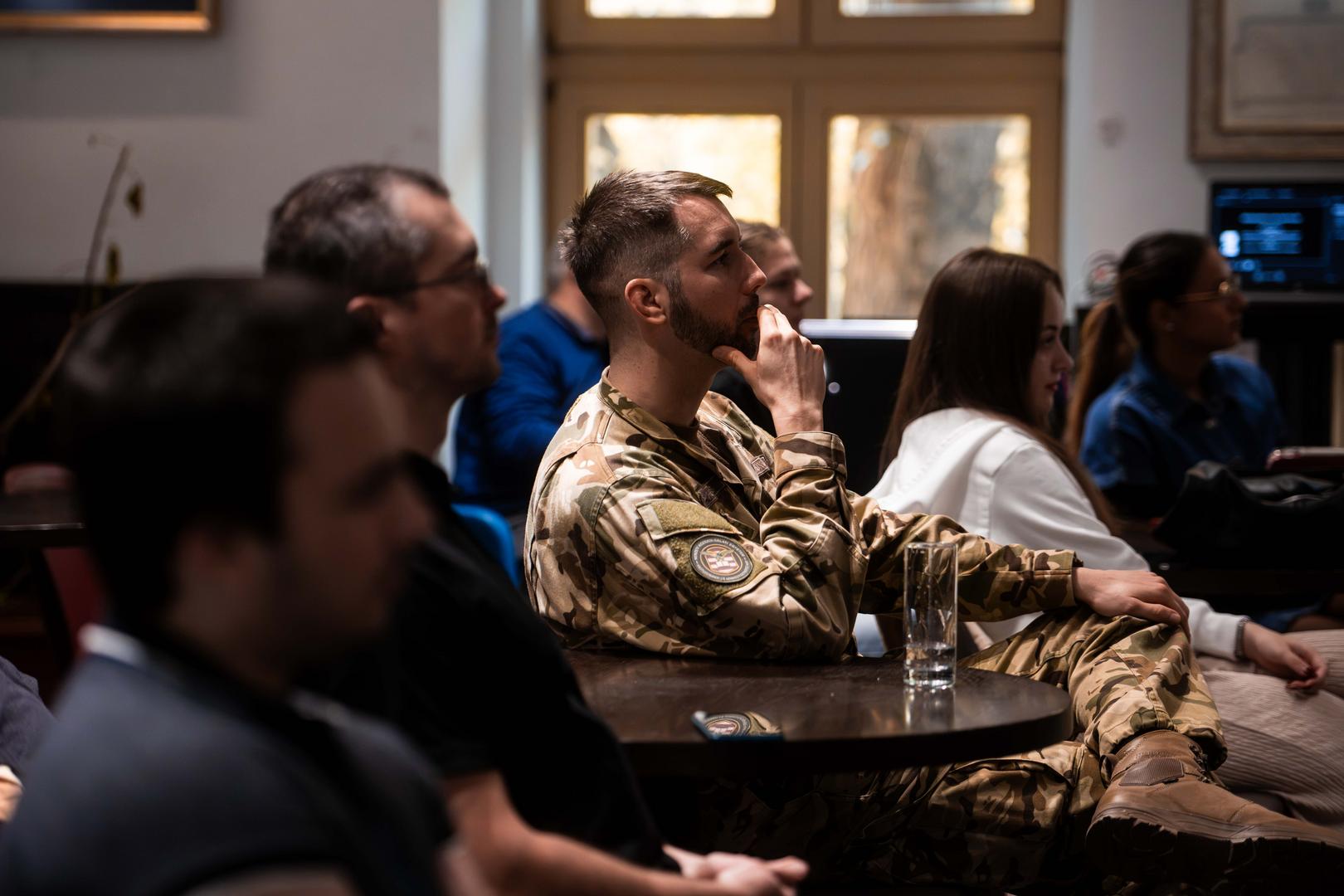
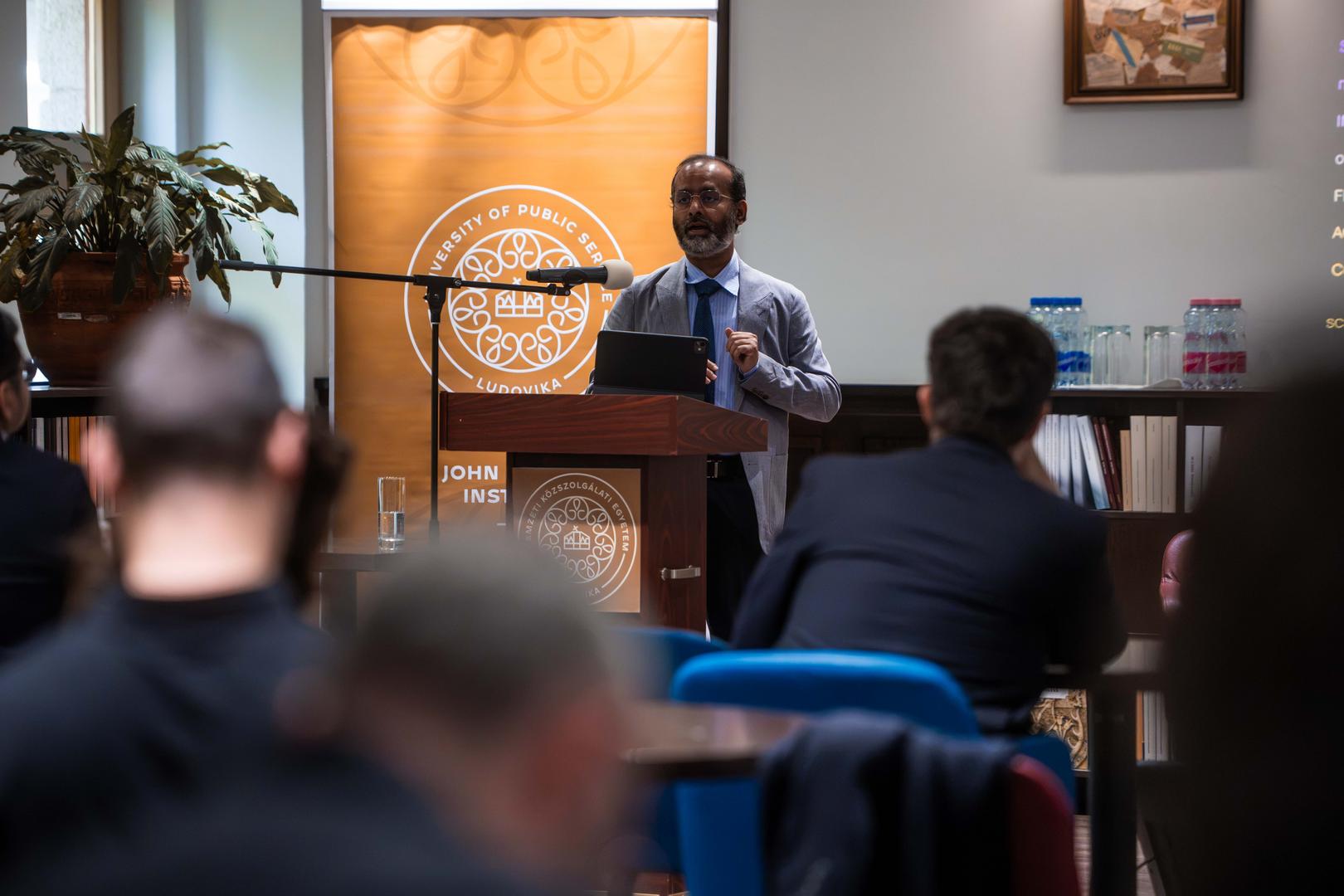

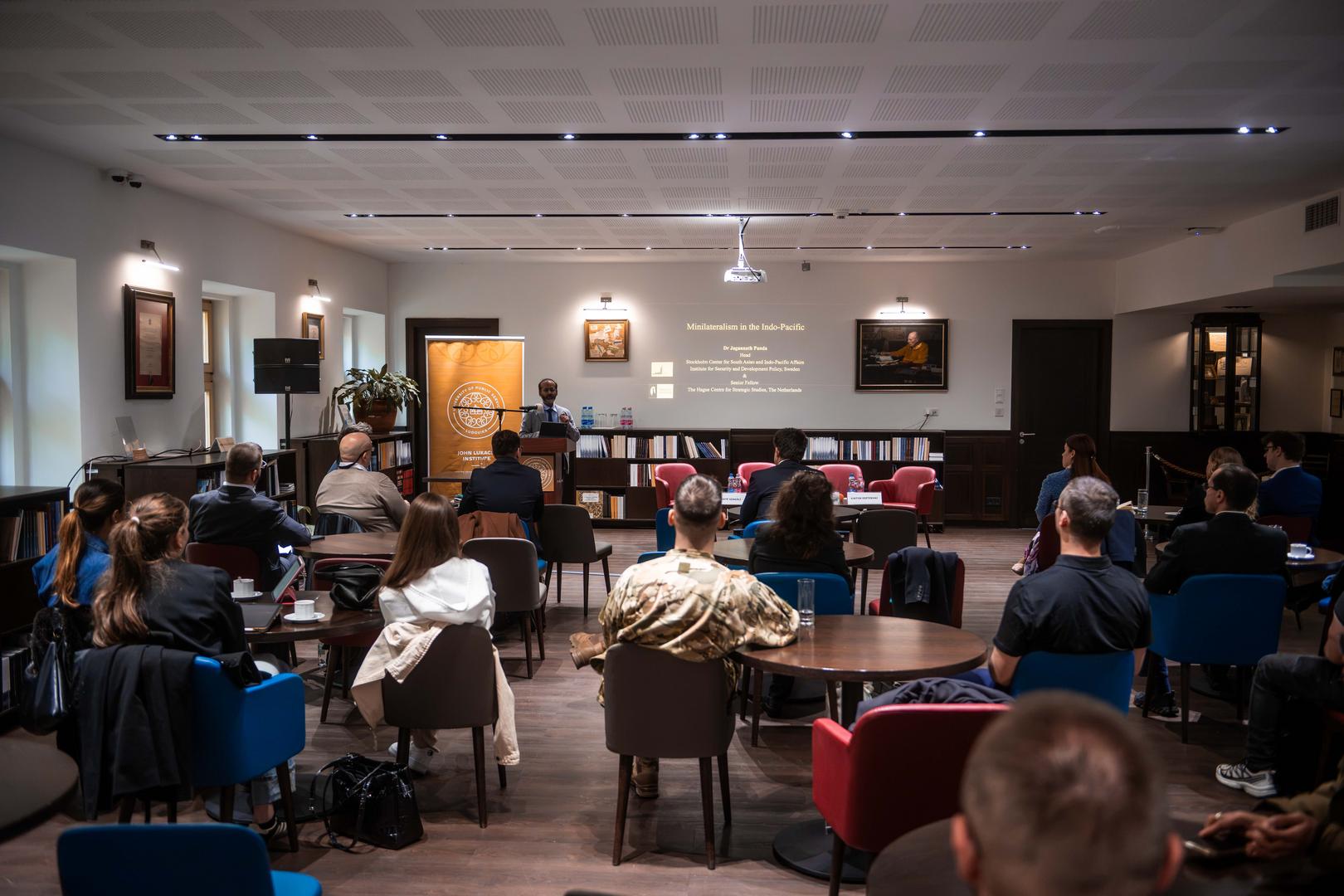
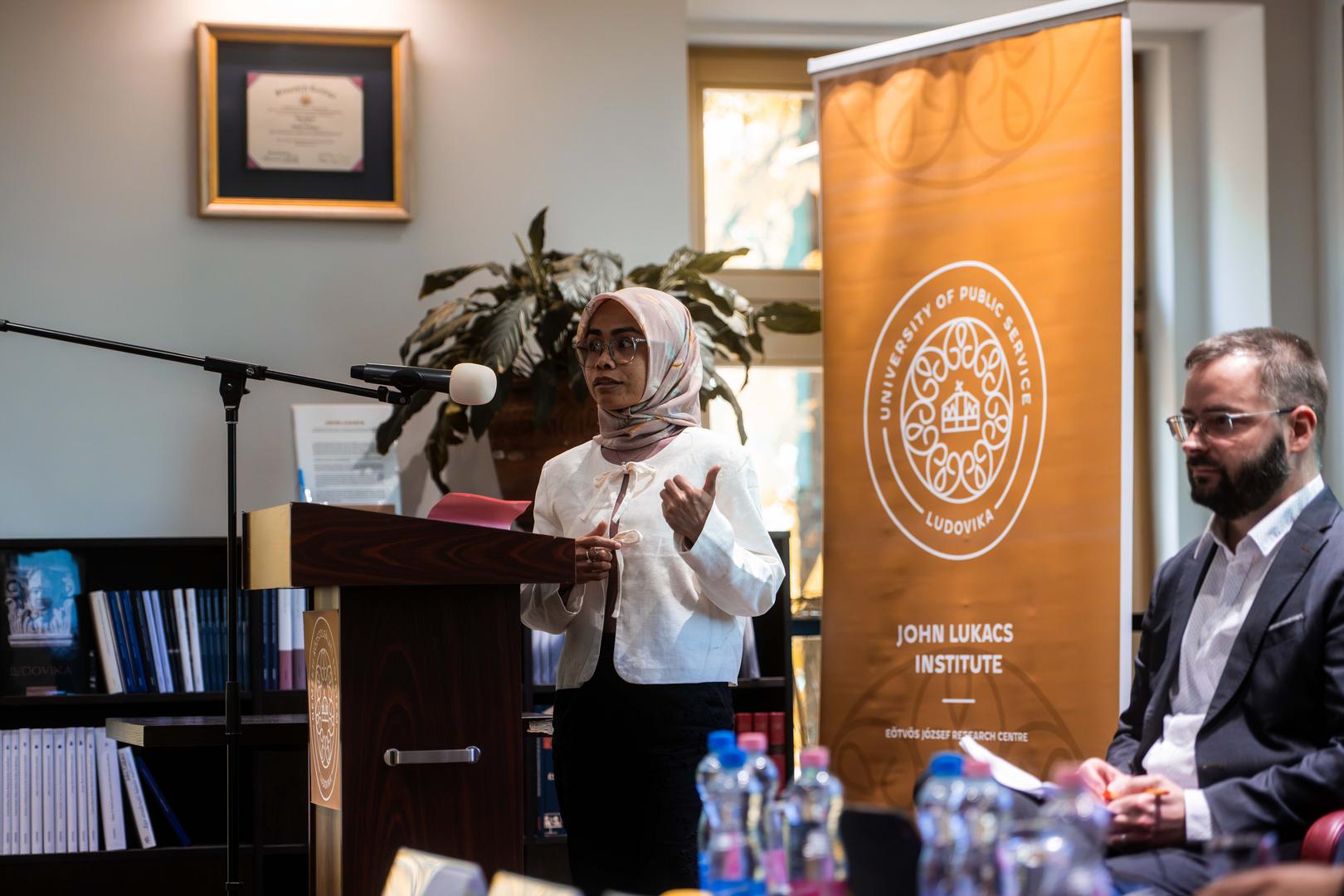
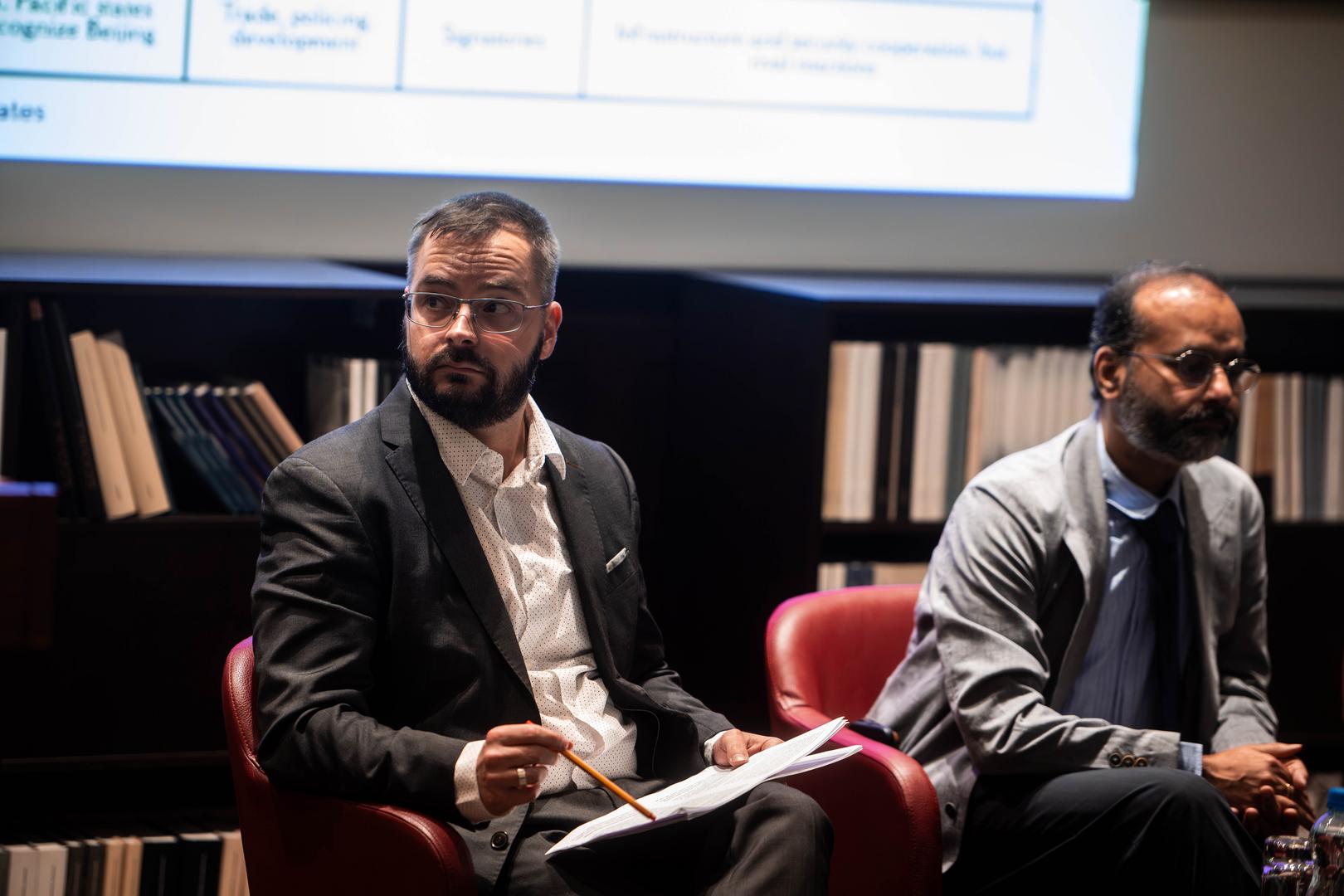
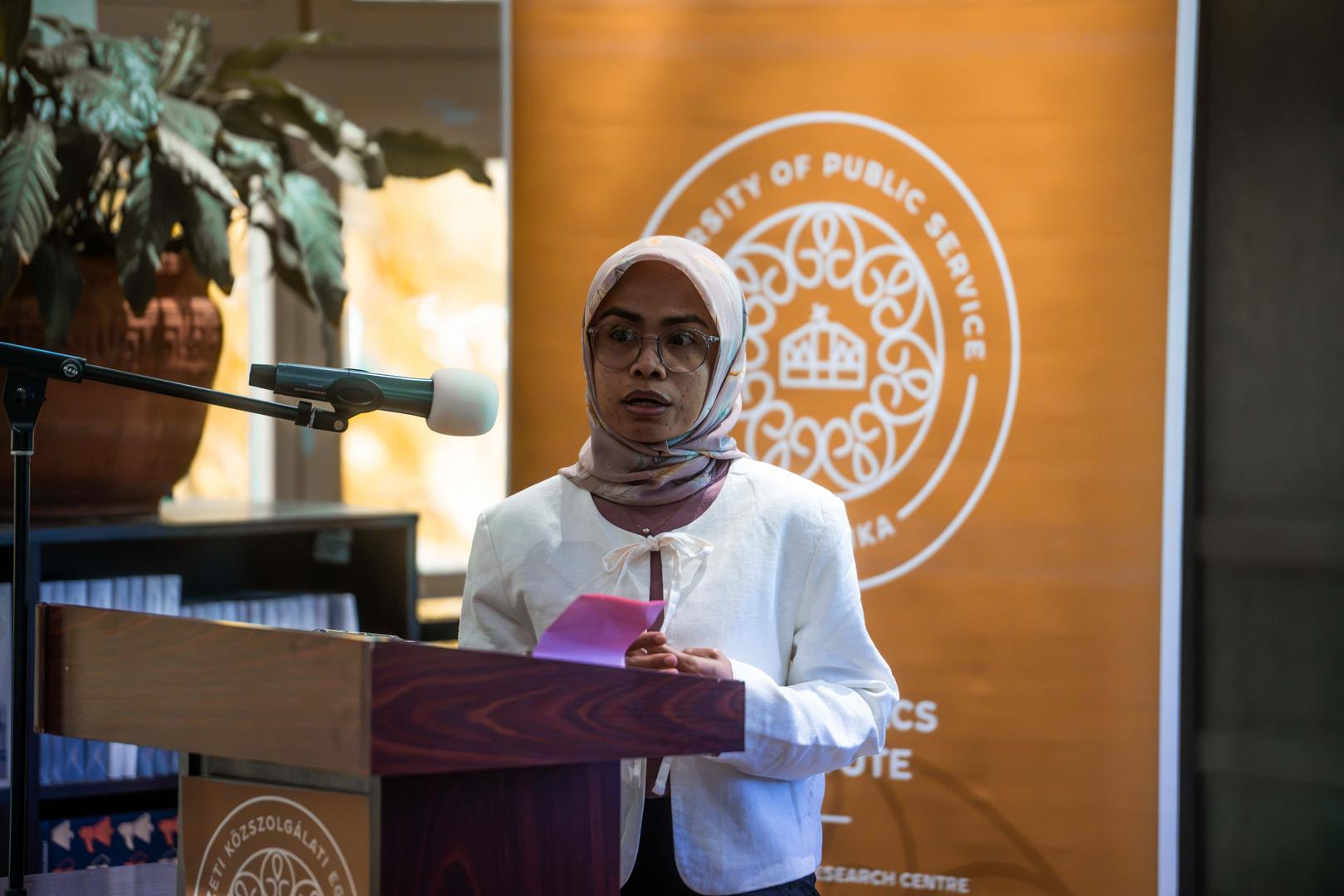
In the first block of the conference, Professor Jagannath Panda, Head of the Stockholm Center for South Asian and Indo-Pacific Affairs at the Institute for Security and Development Policy (ISDP) and Professor at the University of Warsaw, delivered an introductory keynote on the definition of minilateralism, the drivers and objectives of its emergence in the Indo-Pacific, and its connection points with the European Union. The subsequent panel discussion was moderated by Viktor Eszterhai, Research Fellow at the John Lukacs Institute for Strategy and Politics. The panelists – alongside Professor Jagannath Panda, Asshagab Sri Milawati (Corvinus University of Budapest) and Máté Szakáli (Eötvös Loránd University) – examined whether minilateral formations (such as QUAD or AUKUS) signal a crisis of the international order or rather embody modern forms of a new Cold War or multipolar order. The discussion covered the utility of minilateral frameworks, but also their fragility and the risks of a fragmented regional order—with special emphasis on the perspective of small island nations and tangible deliverables—concluding with policy recommendations for decision-makers and European capitals.
In the introductory presentation of the second block, Ann Febel Q. Bajo, researcher at the University of Portsmouth, presented the strategies of Southeast Asian small states, illustrating through the case of the Philippines how successive presidential administrations sought strategic space between Washington and Beijing while the core alliance with the US persisted. The panel discussion, moderated by Zoltán Vörös, Senior Research Fellow at the John Lukacs Institute for Strategy and Politics, featured Ann Febel Q. Bajo alongside Danilo Lorenzo Delos Santos (University of Pécs) and Péter Klemensits (John von Neumann University). The experts explored options for strategic hedging and other foreign policy choices among ASEAN states, analyzed the limits of leadership and institutional constraints in Philippine foreign policy, discussed regional expectations toward Washington in a shifting global order, and assessed the capacity of smaller states to achieve strategic autonomy.
The event contributed to a deeper understanding of the complex security and diplomatic dynamics of the Indo-Pacific region and outlined future research directions in the study of small and middle power strategies.
Text: Viktor Eszterhai
Photo: Dénes Szilágyi