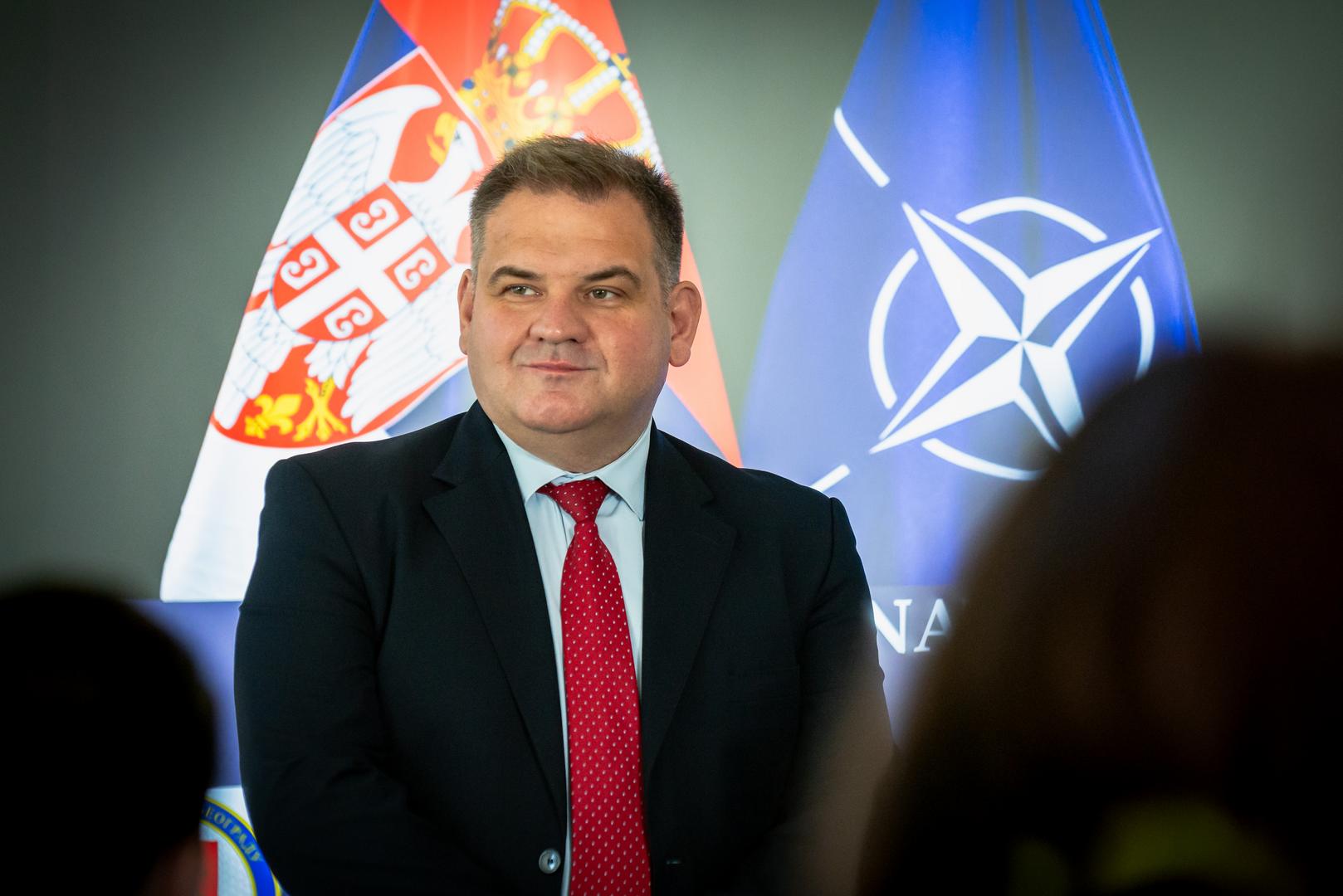
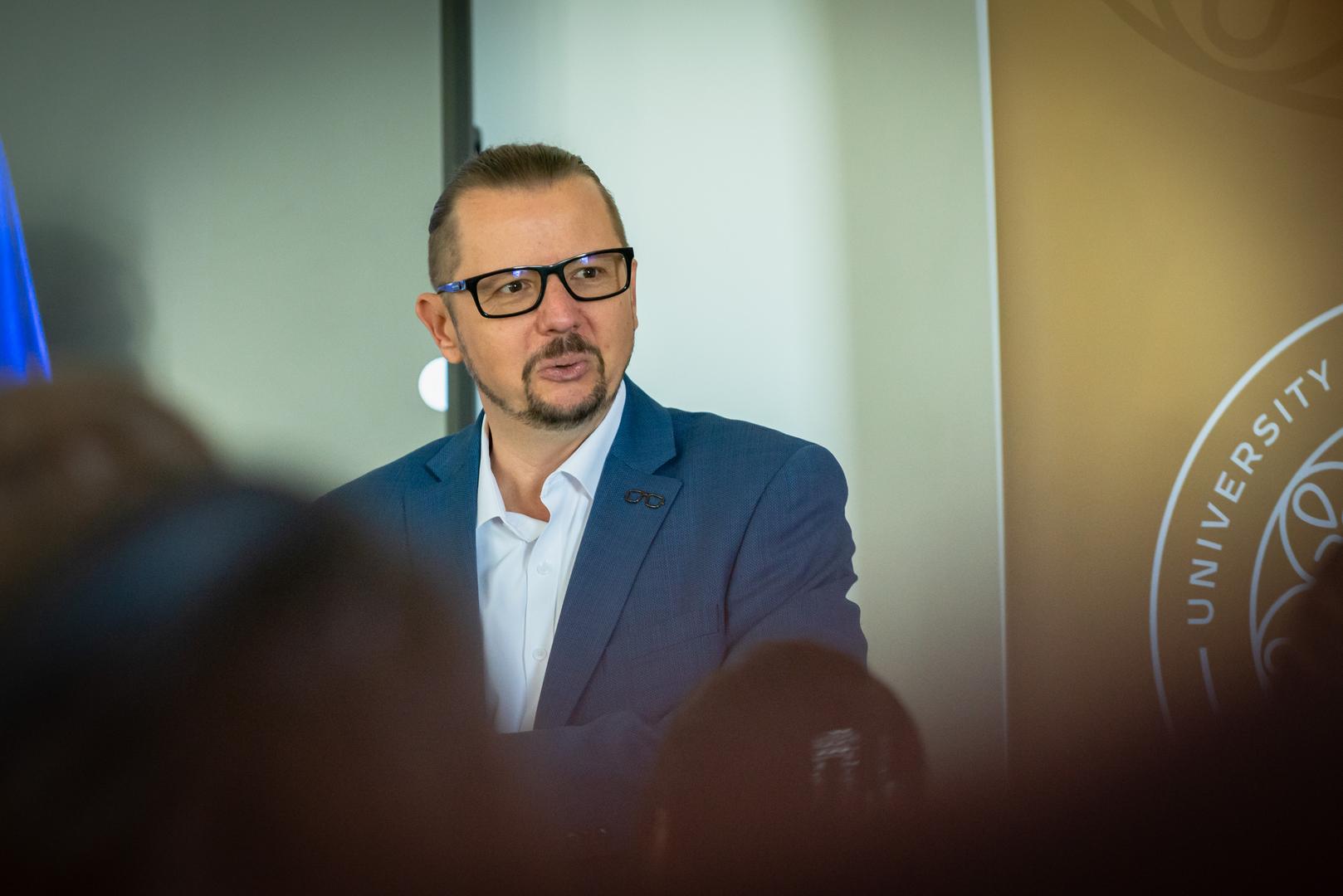
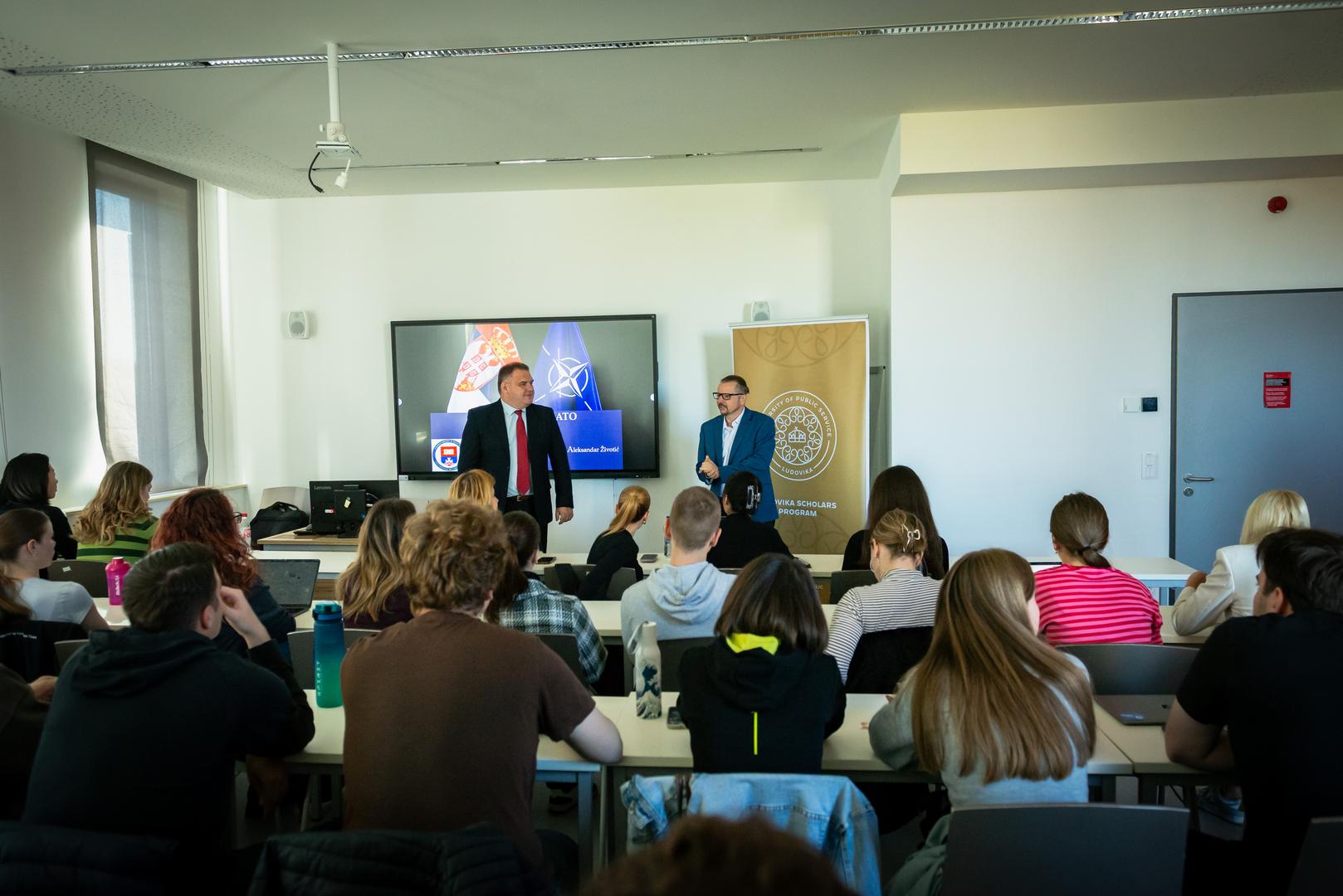
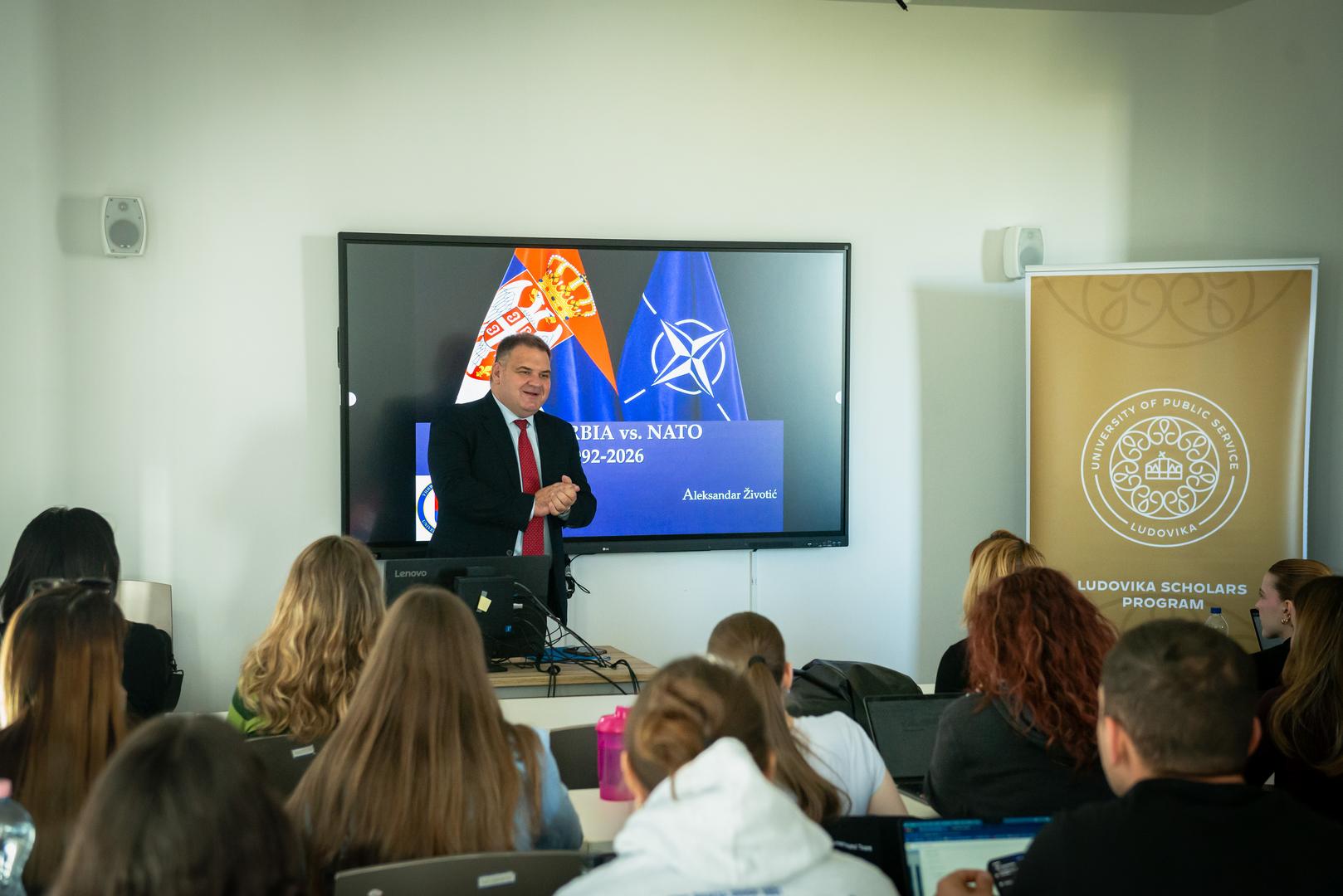
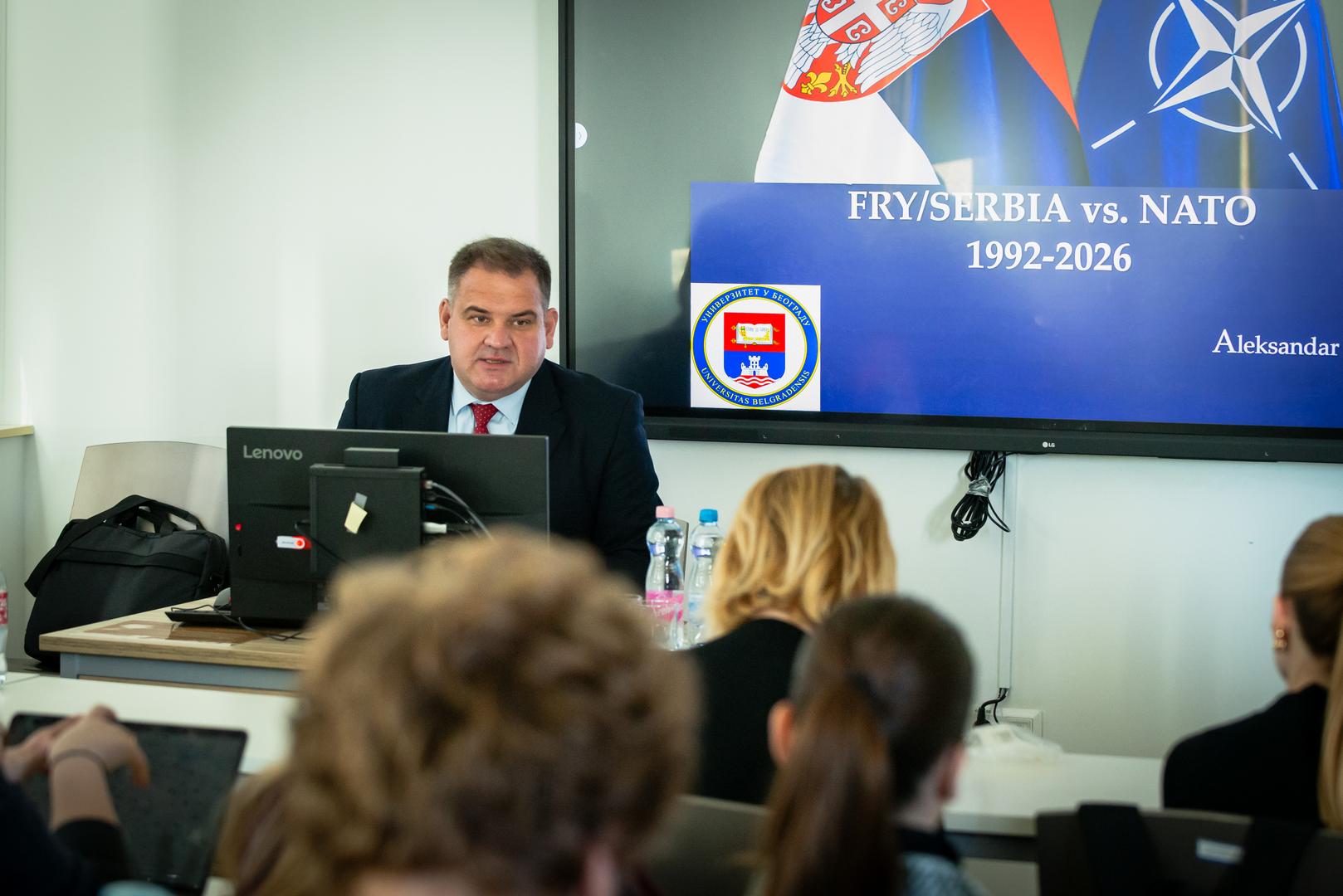
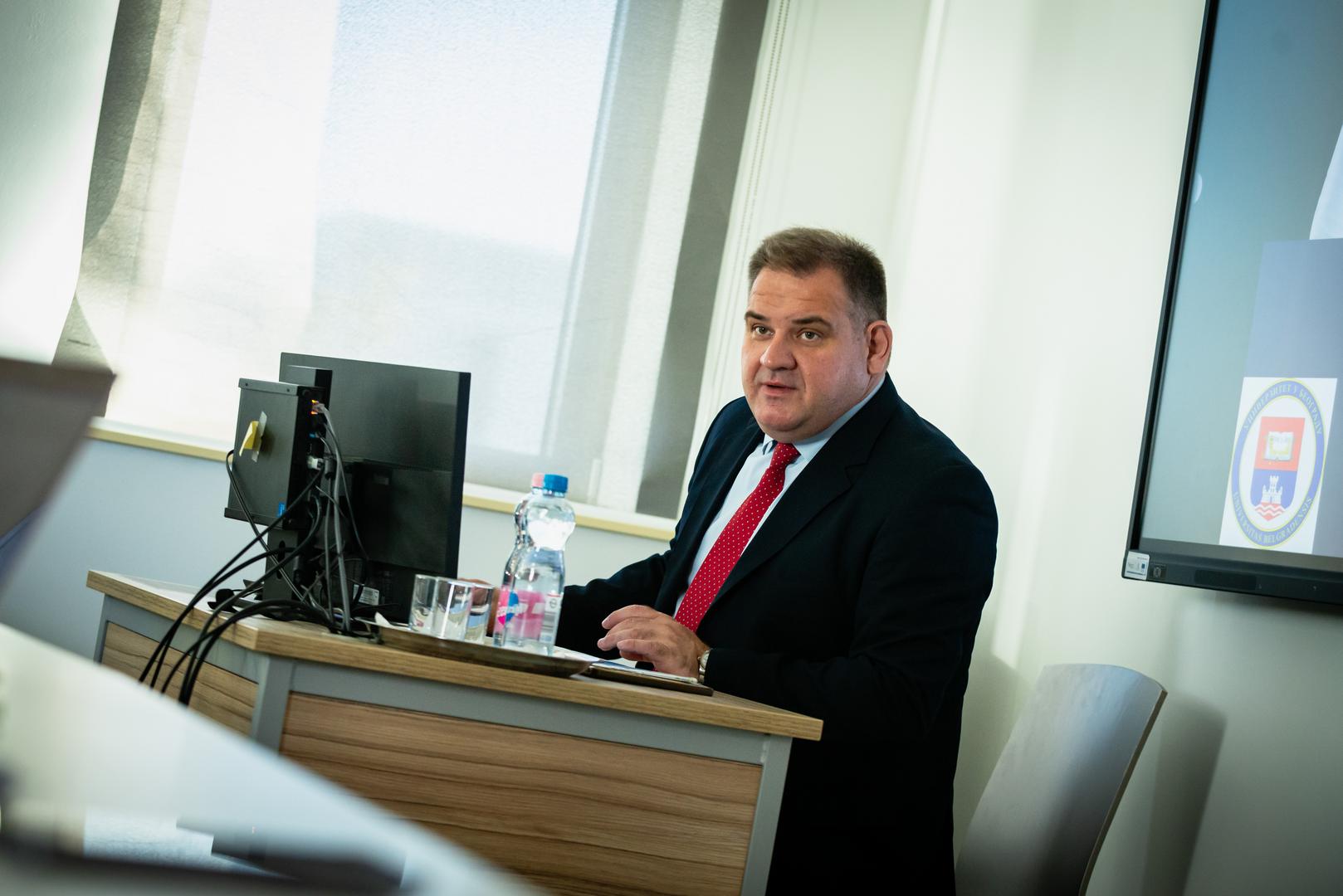




On 14 October, the John Lukacs Institute for Strategy and Politics at Ludovika University of Public Service welcomed Professor Aleksandar Životić, Head of the Department of Yugoslav History at the Faculty of Philosophy, University of Belgrade, as part of the Ludovika Scholars Programme. Professor Životić delivered a lecture entitled “NATO Membership for Serbia and BiH? Is It a Realistic Option? A View from Belgrade”, addressing a foreign and security policy issue of particular relevance to Hungary.
Providing historical context, Professor Životić explained that following the Soviet–Yugoslav split of 1948, Belgrade distanced itself from the Soviet model and subsequently developed close economic and military cooperation with Western powers through negotiations initiated in the early 1950s. Yugoslavia's strategic importance consequently increased due to its position on the periphery of the socialist bloc. According to the professor, had Yugoslavia remained intact, Euro-Atlantic integration could have emerged as a realistic option.
Relations between Serbia and NATO became increasingly strained following the break-up of Yugoslavia. Tensions intensified with NATO's military intervention during the Bosnian War of 1992–1995 and subsequently with the NATO bombing campaign in 1999. Although formal cooperation at the state level has developed since the early 2000s, a significant proportion of the population in Serbia and among Bosnian Serbs remains opposed to the Alliance, largely due to the lasting legacy of NATO's interventions in 1995 and 1999.
Professor Životić also highlighted that although Serbia has not conducted joint military exercises with Russia since the launch of Russia's full-scale invasion of Ukraine in 2022, Russian influence remains evident, particularly through traditional and social media. This influence is significant not only in Serbia but also in Republika Srpska, one of the two entities of Bosnia and Herzegovina, further complicating perceptions of and prospects for Euro-Atlantic integration.
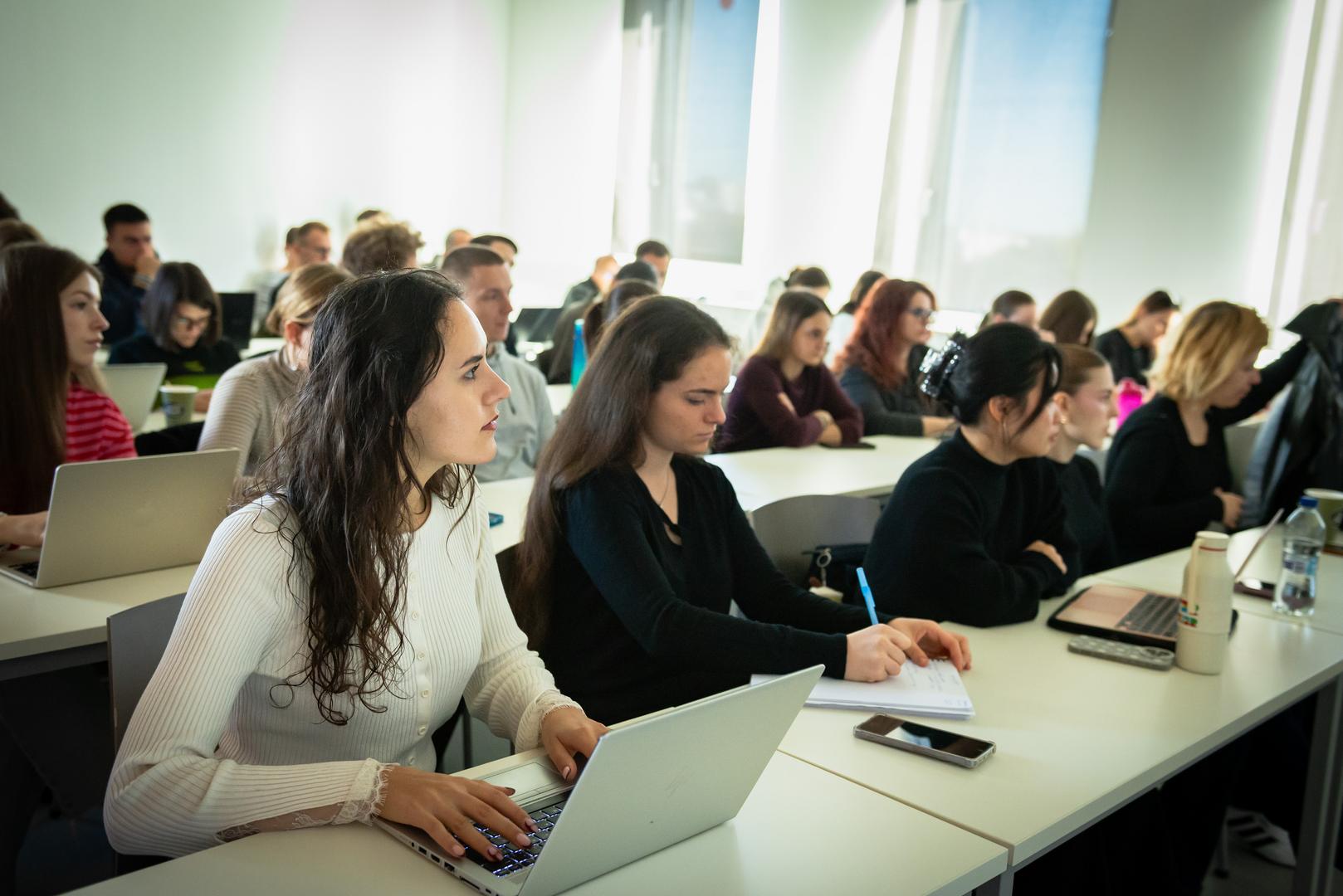
The workshop brought together researchers and experts specialising in the Western Balkans. Participants discussed the prospects for Euro-Atlantic integration for Serbia and Bosnia and Herzegovina in light of the current geopolitical and security challenges facing both countries.
Text: Tímea Zsivity
Translation: John Lukacs Institute for Strategy and Politics
Photos: Benjámin Márk Mészáros