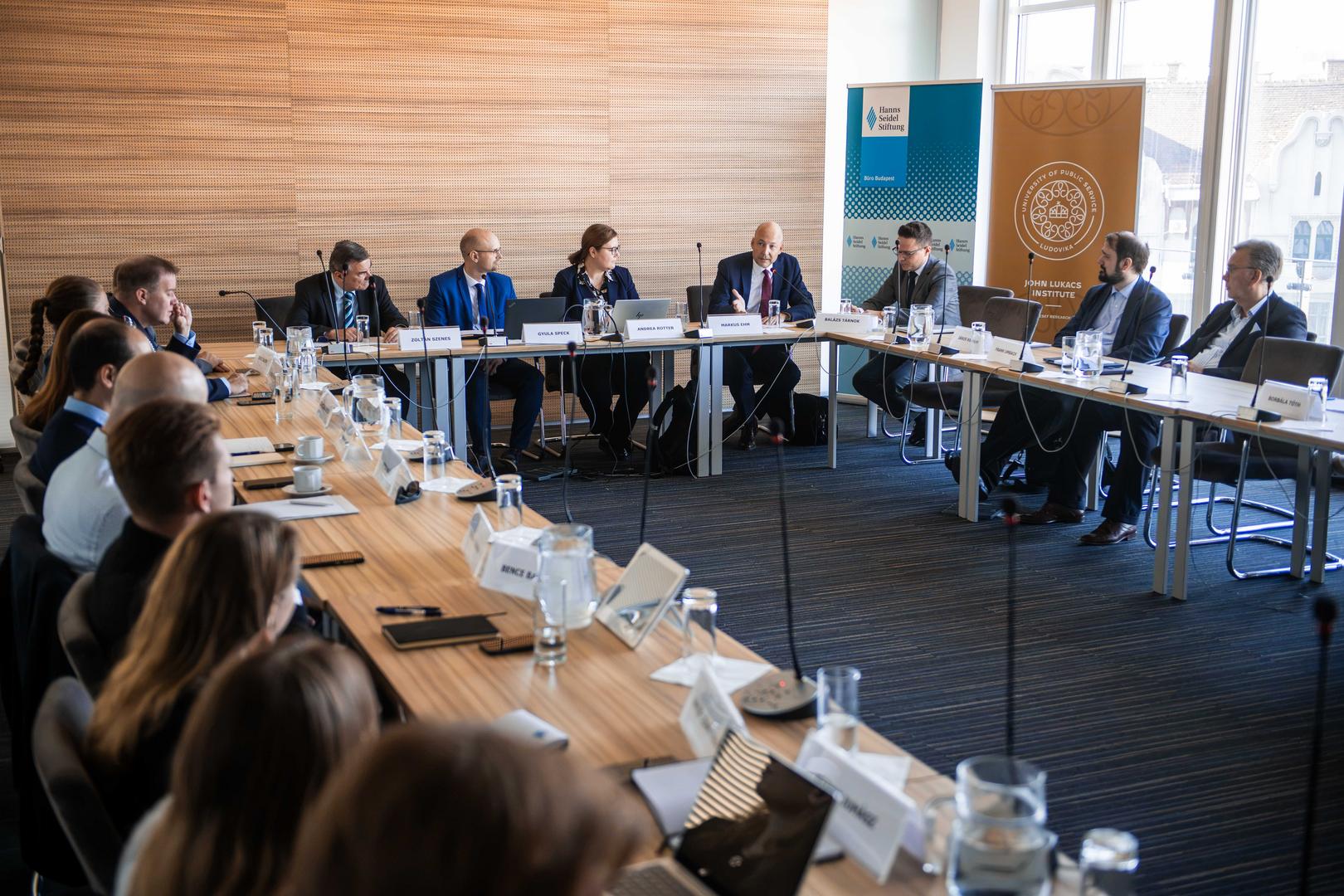

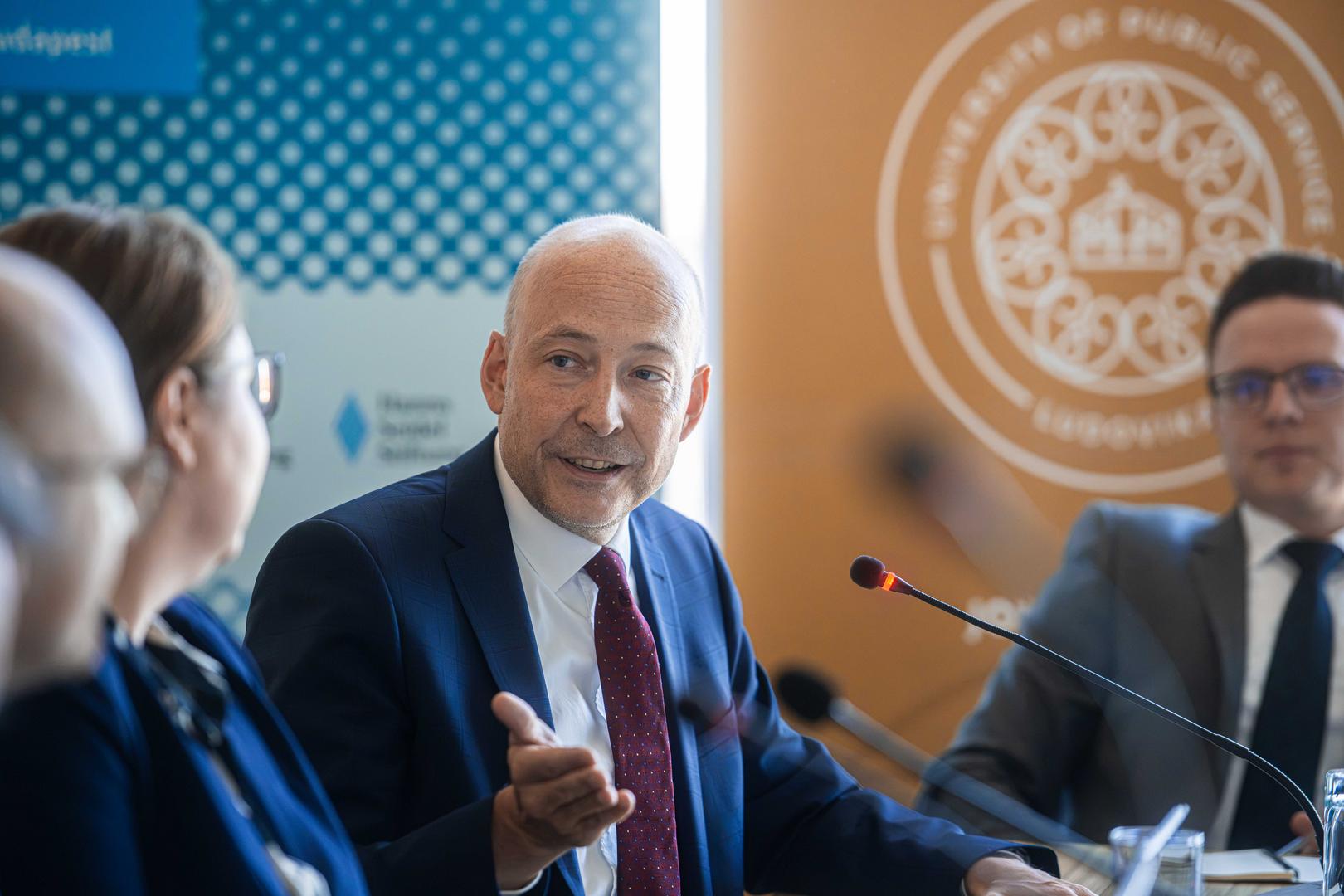
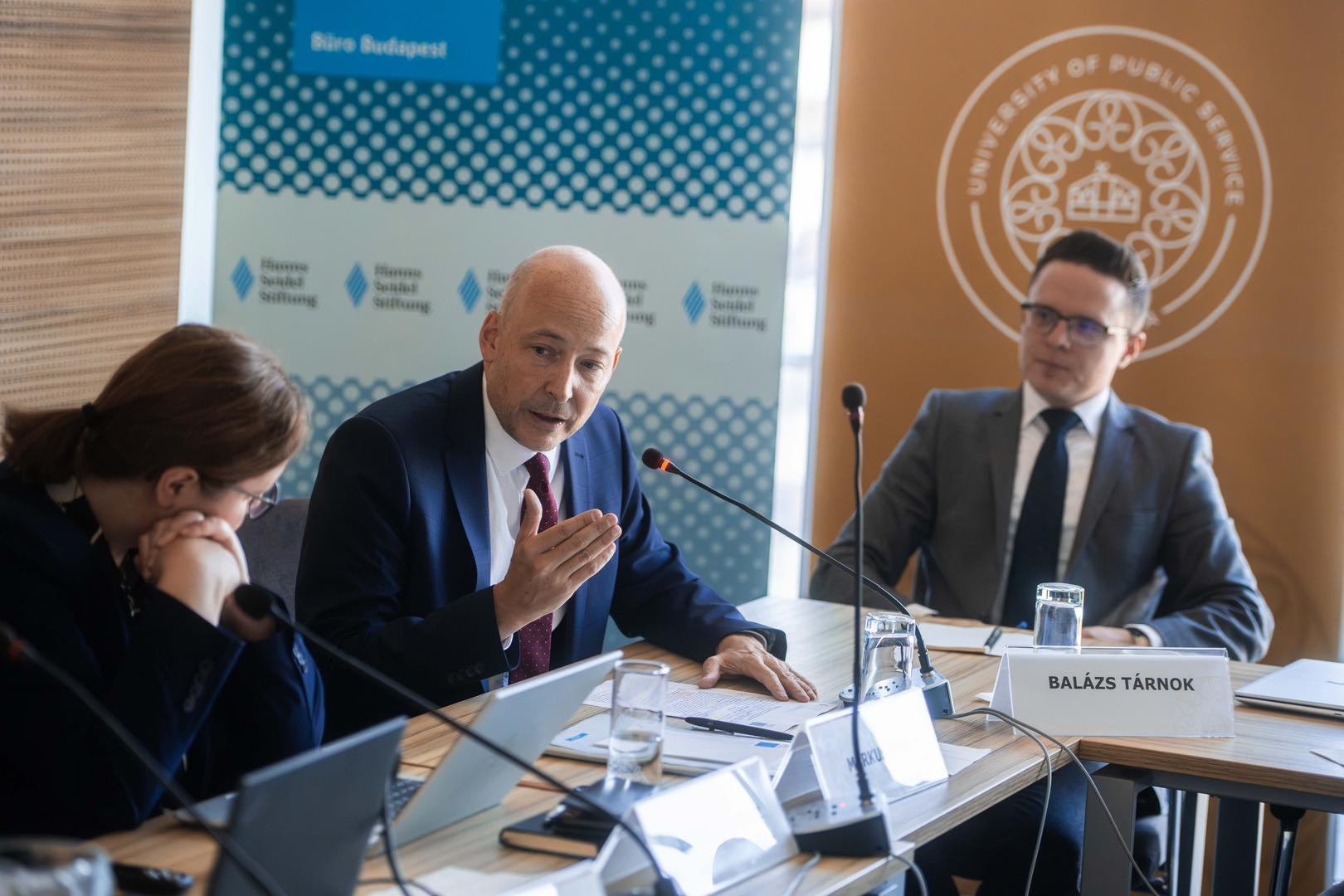
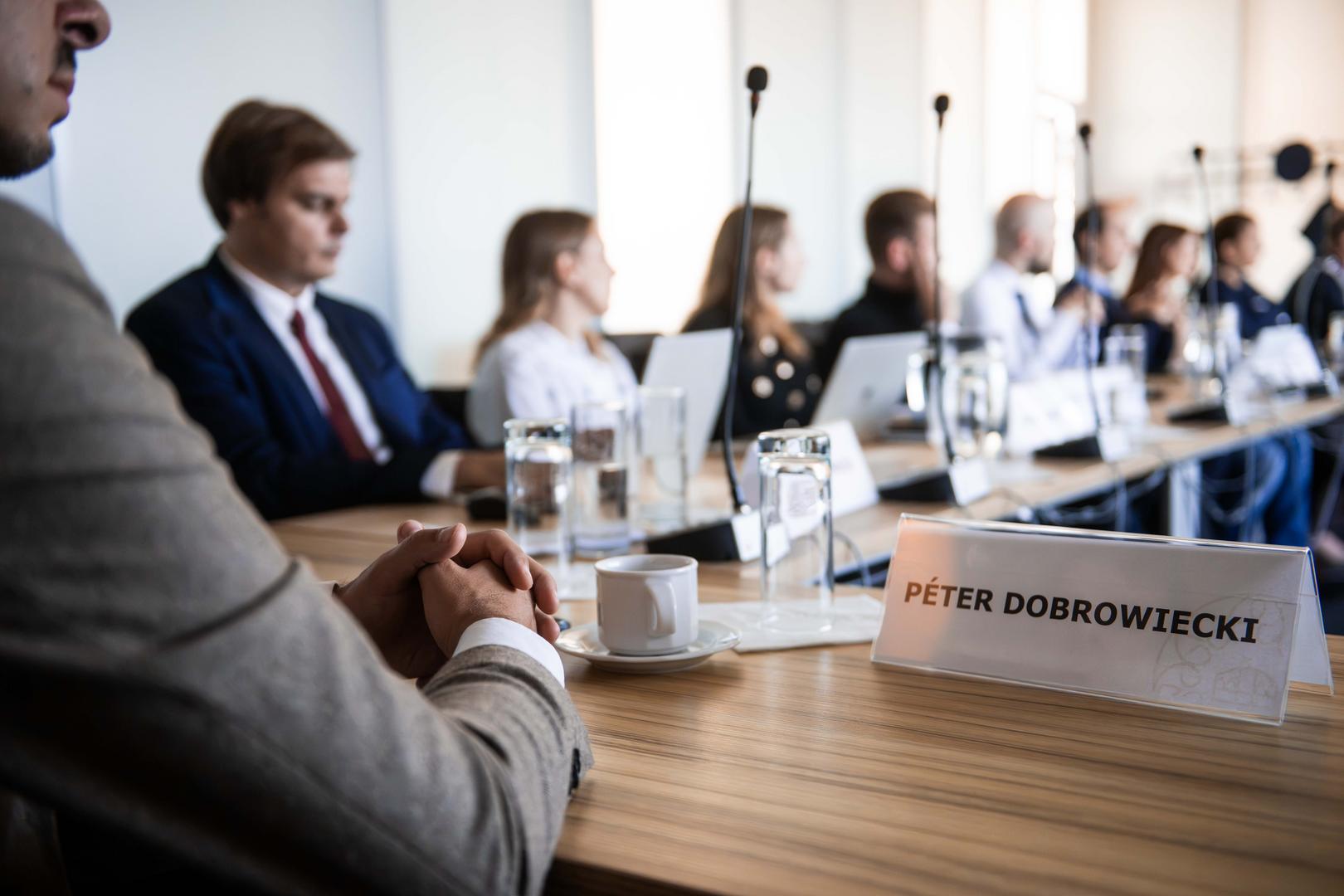
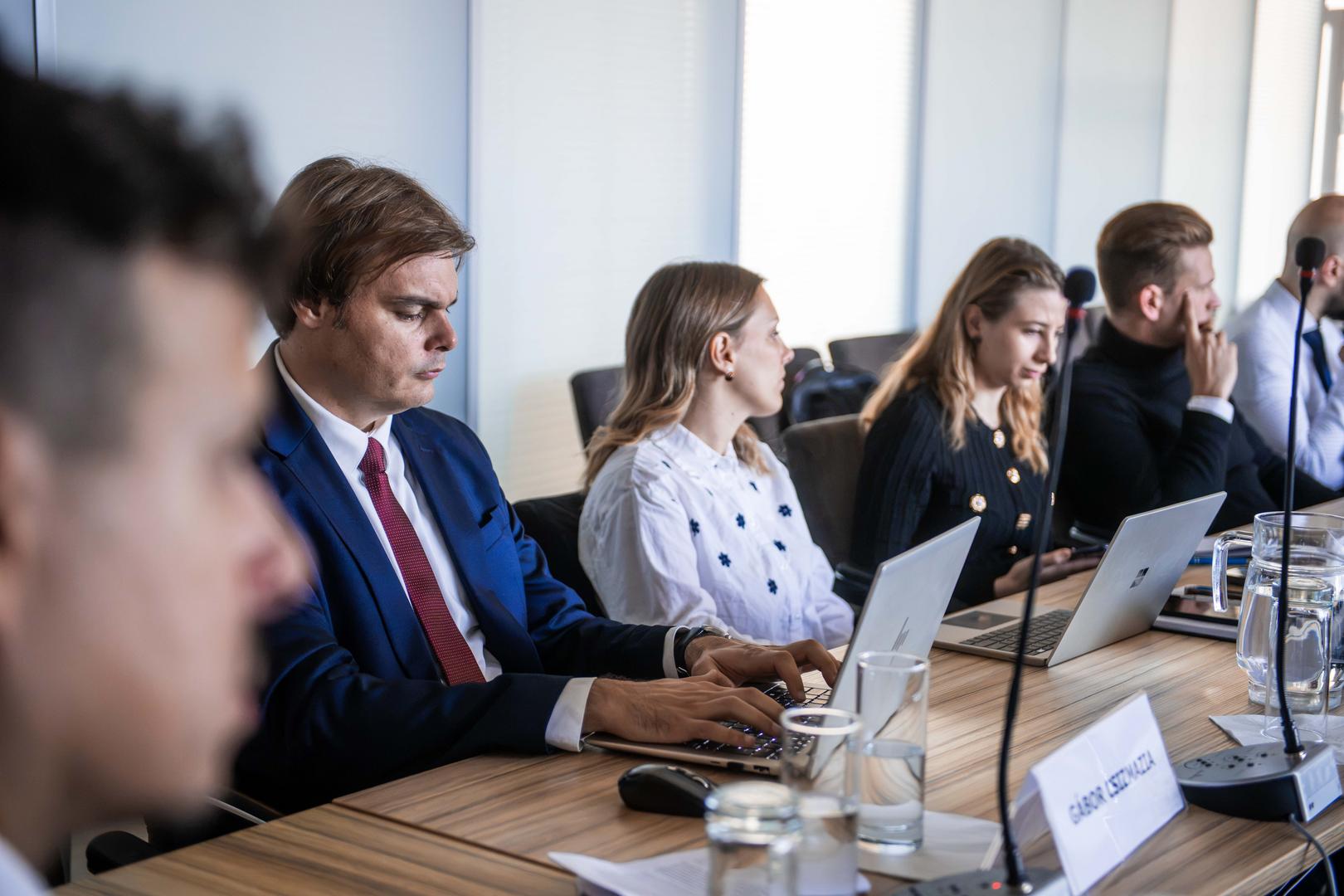
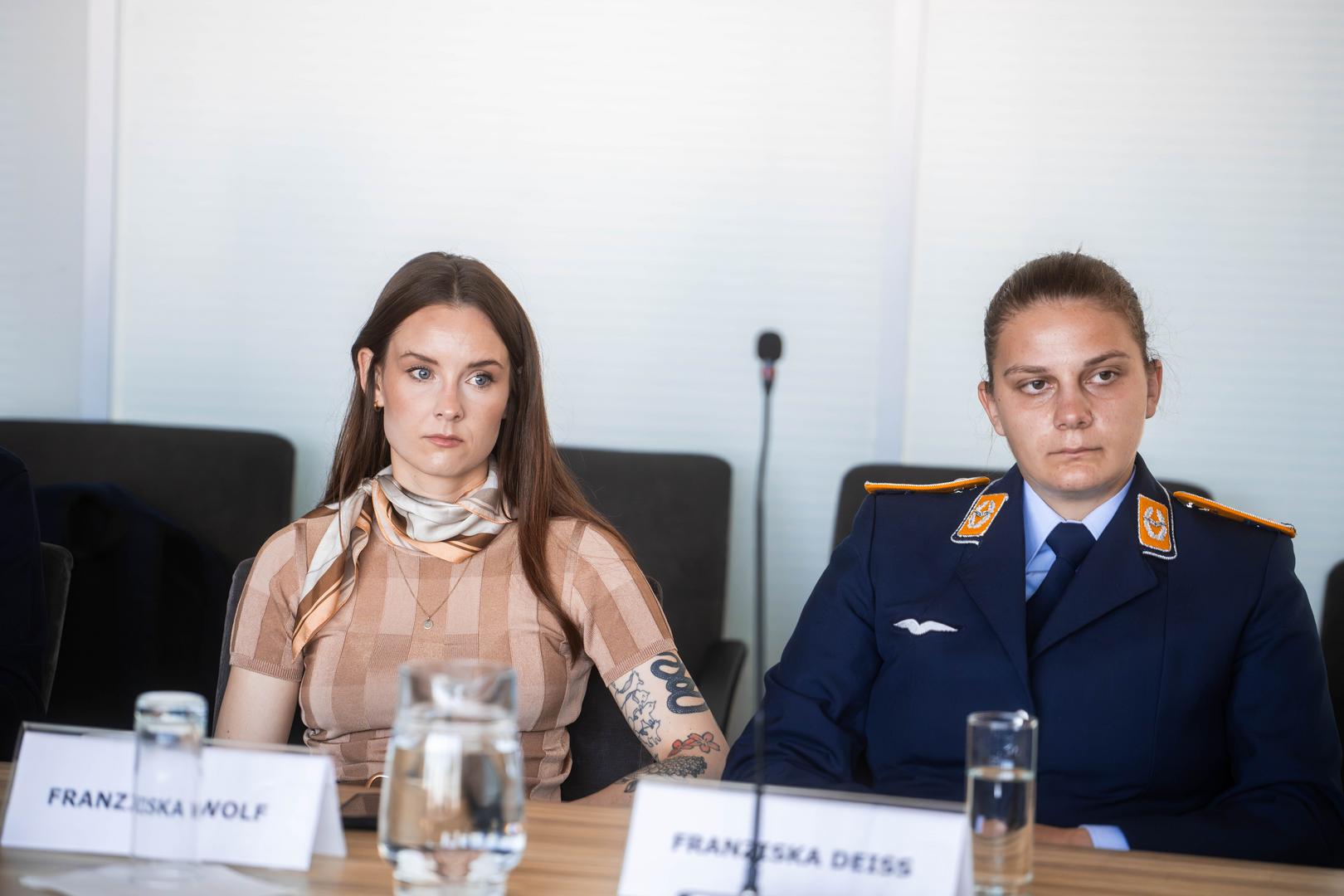
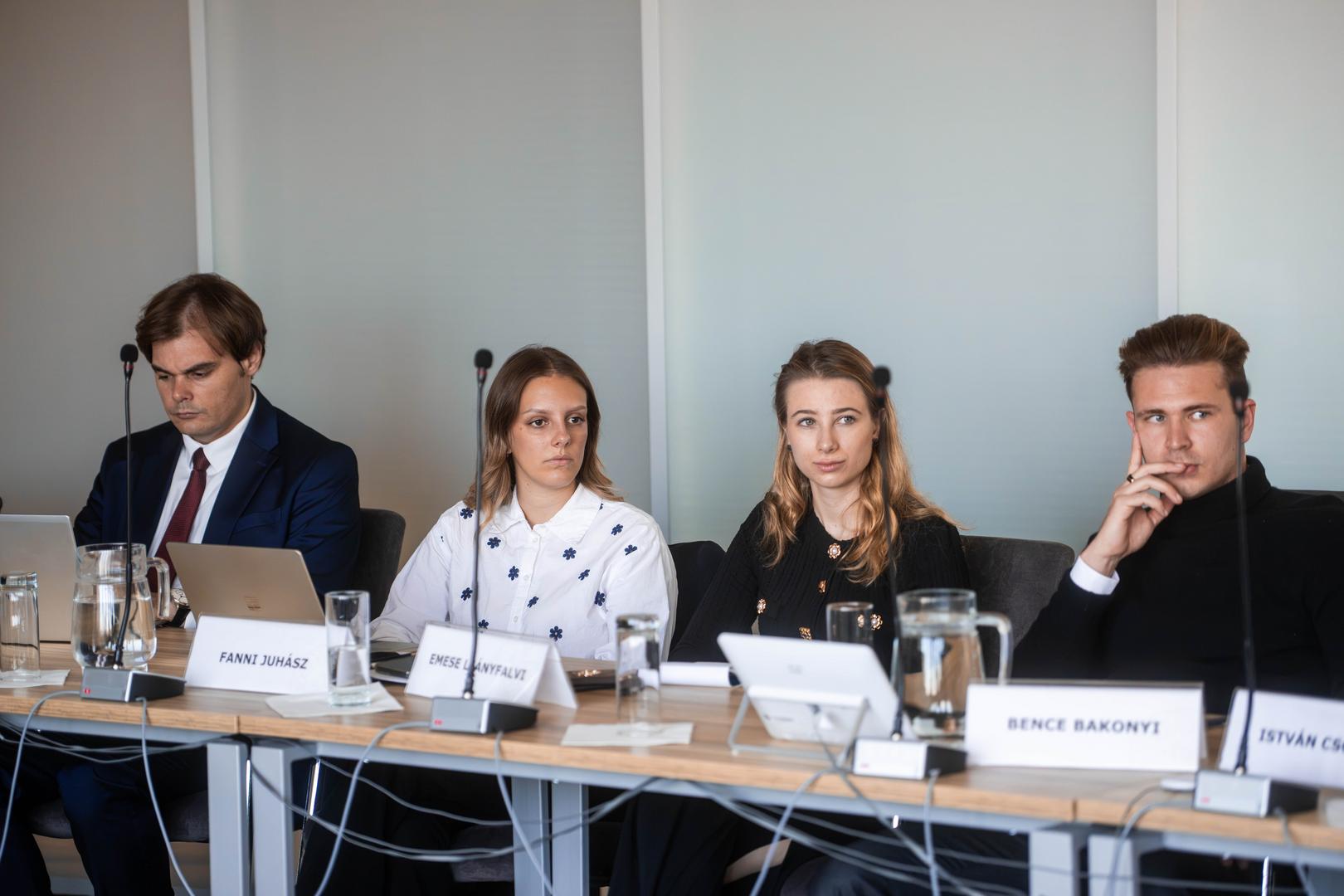
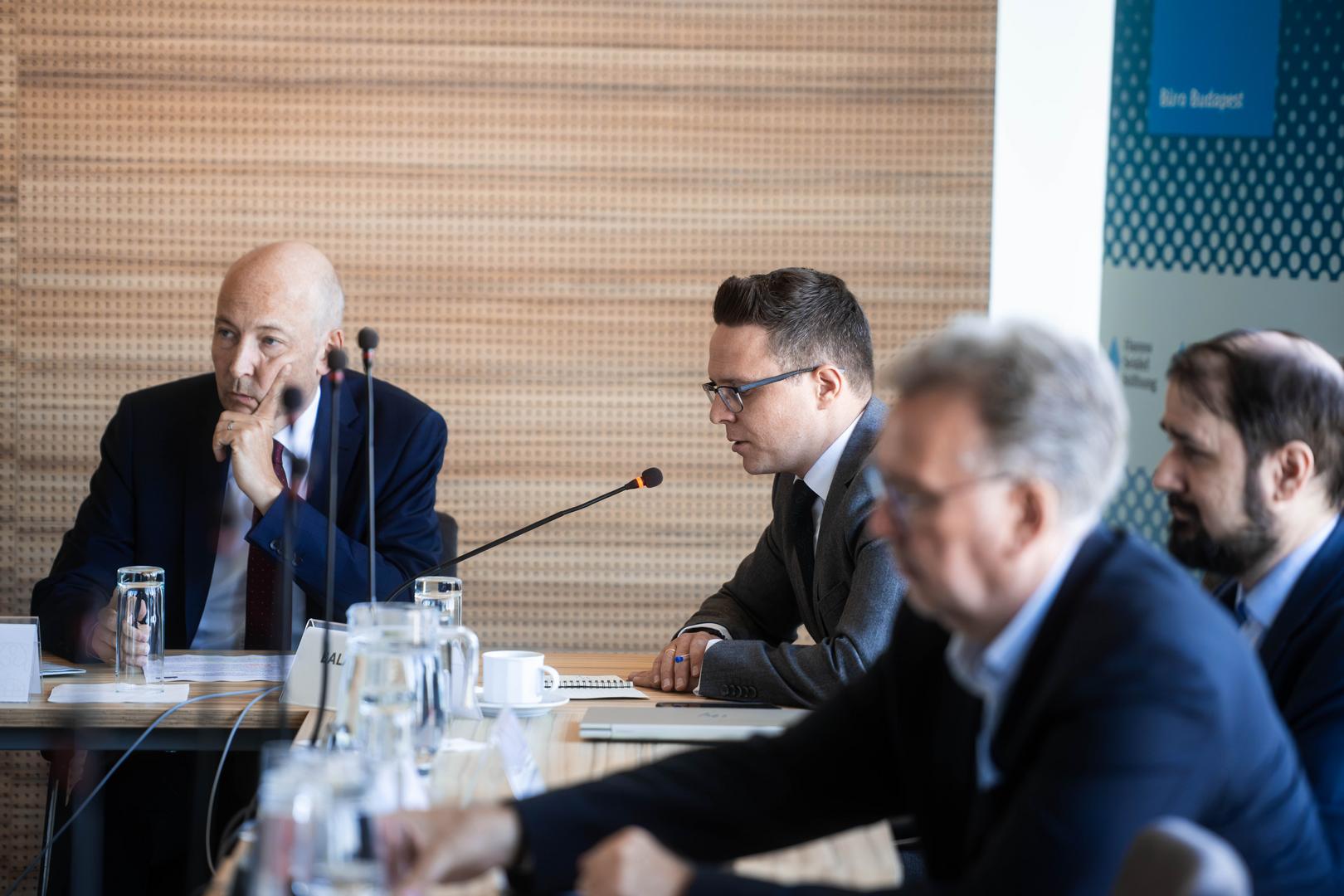
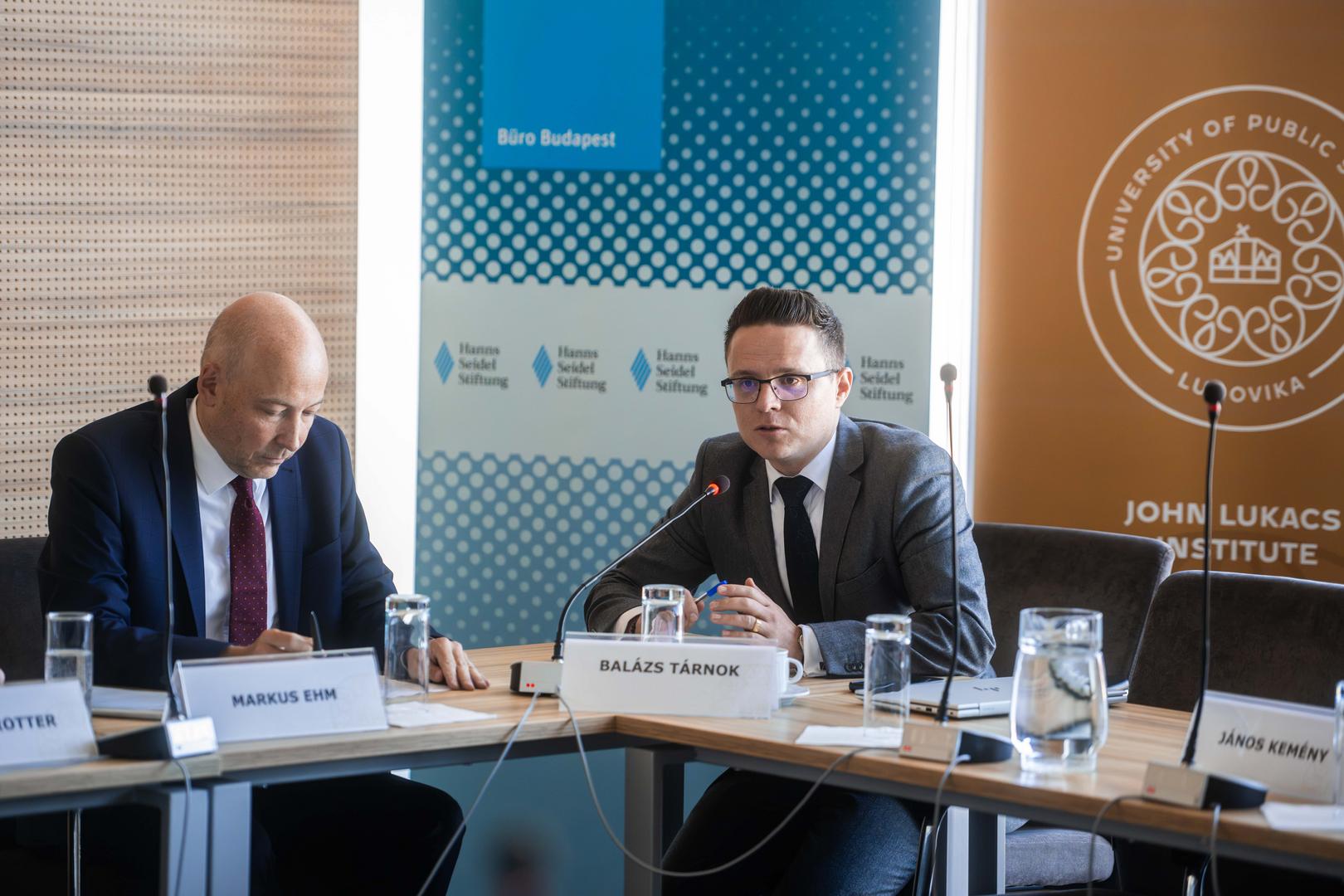
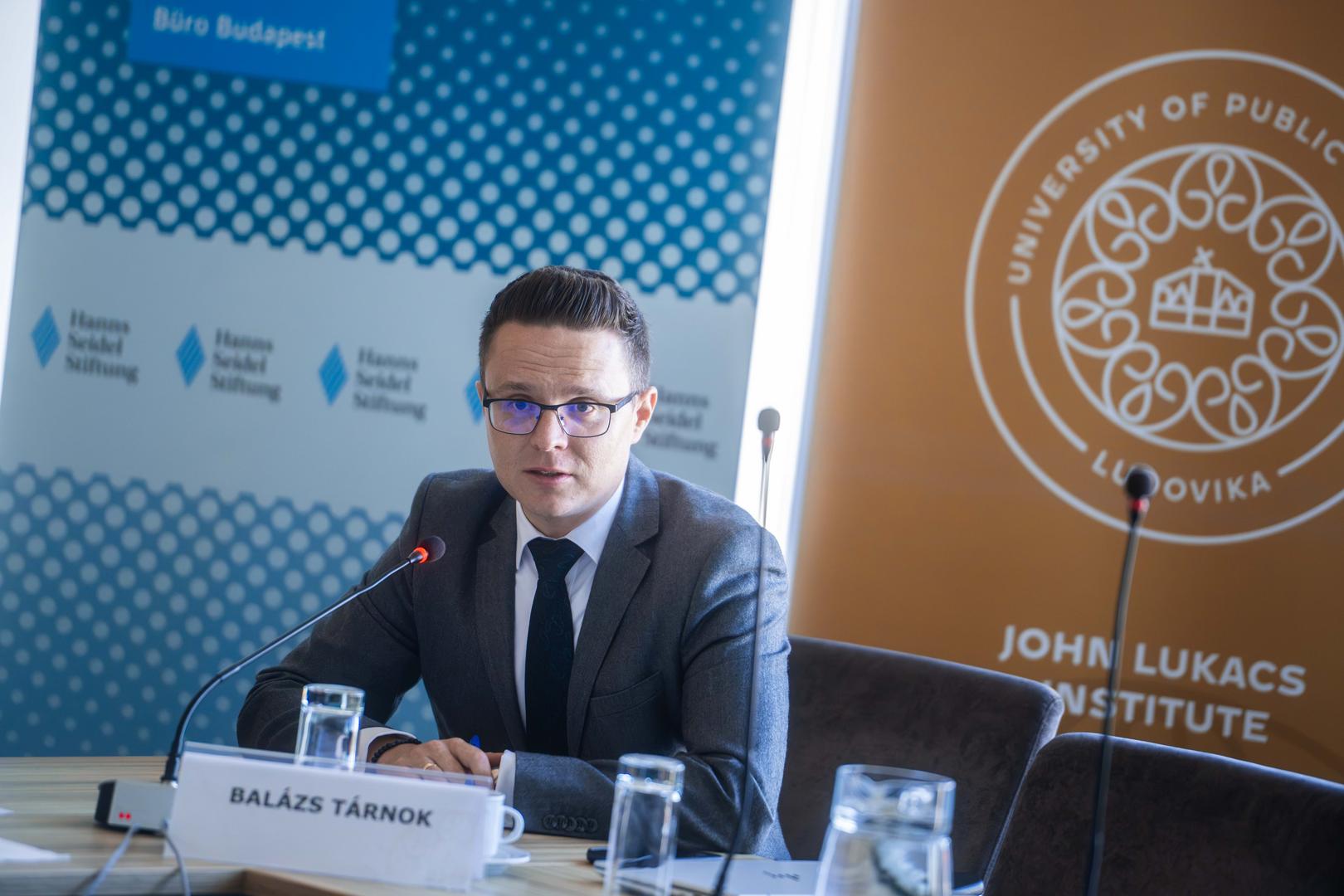
The third Hungarian–German Strategic Dialogue took place on 15 September 2026, jointly organised by the Budapest Office of the Hanns Seidel Foundation and the John Lukacs Institute for Strategy and Politics of Ludovika University of Public Service. The event was opened on behalf of the two co-organisers by Markus Ehm, Regional Director for Central Europe at the Hanns Seidel Foundation, and Balázs Tárnok, Director of Research at the John Lukacs Institute.
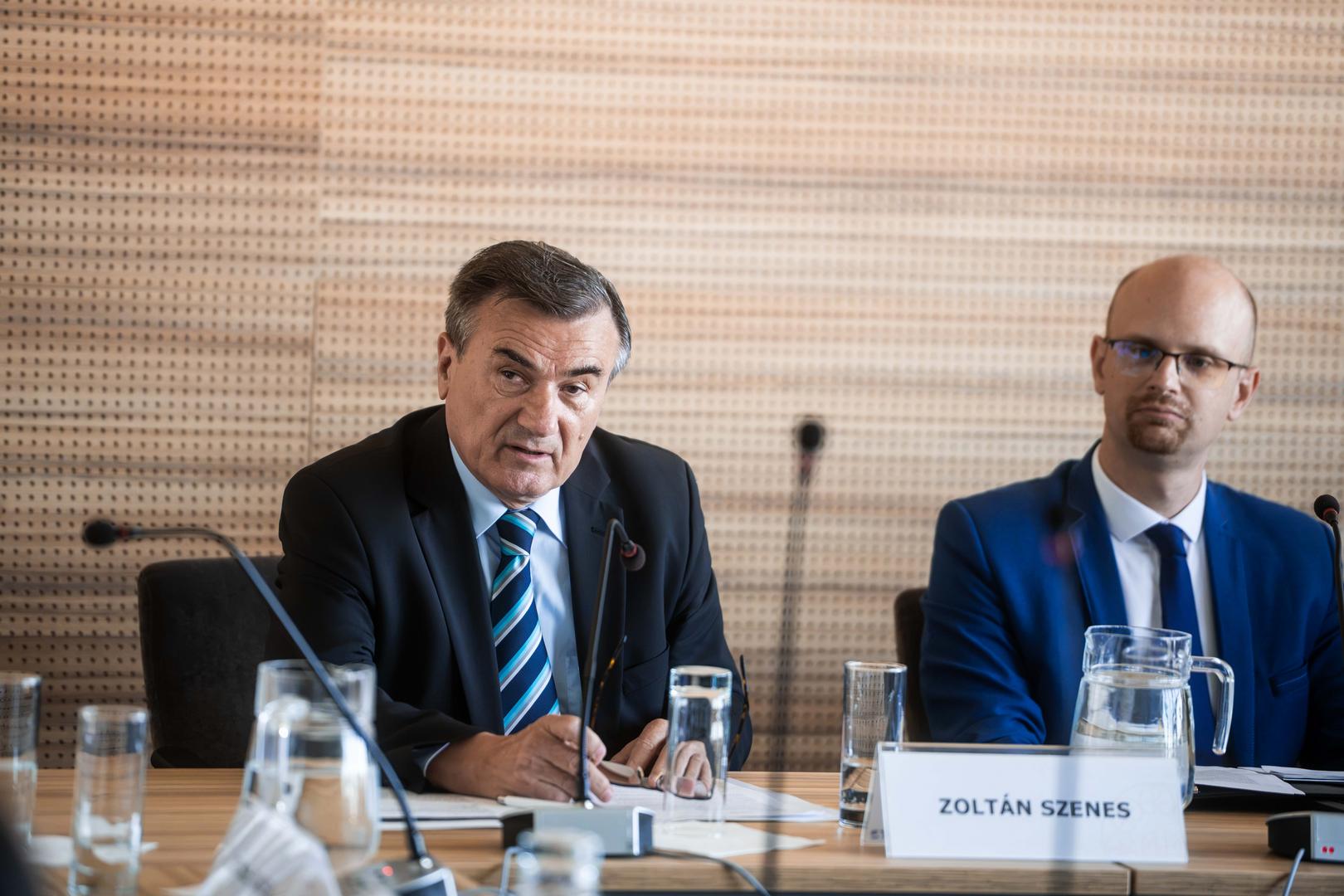
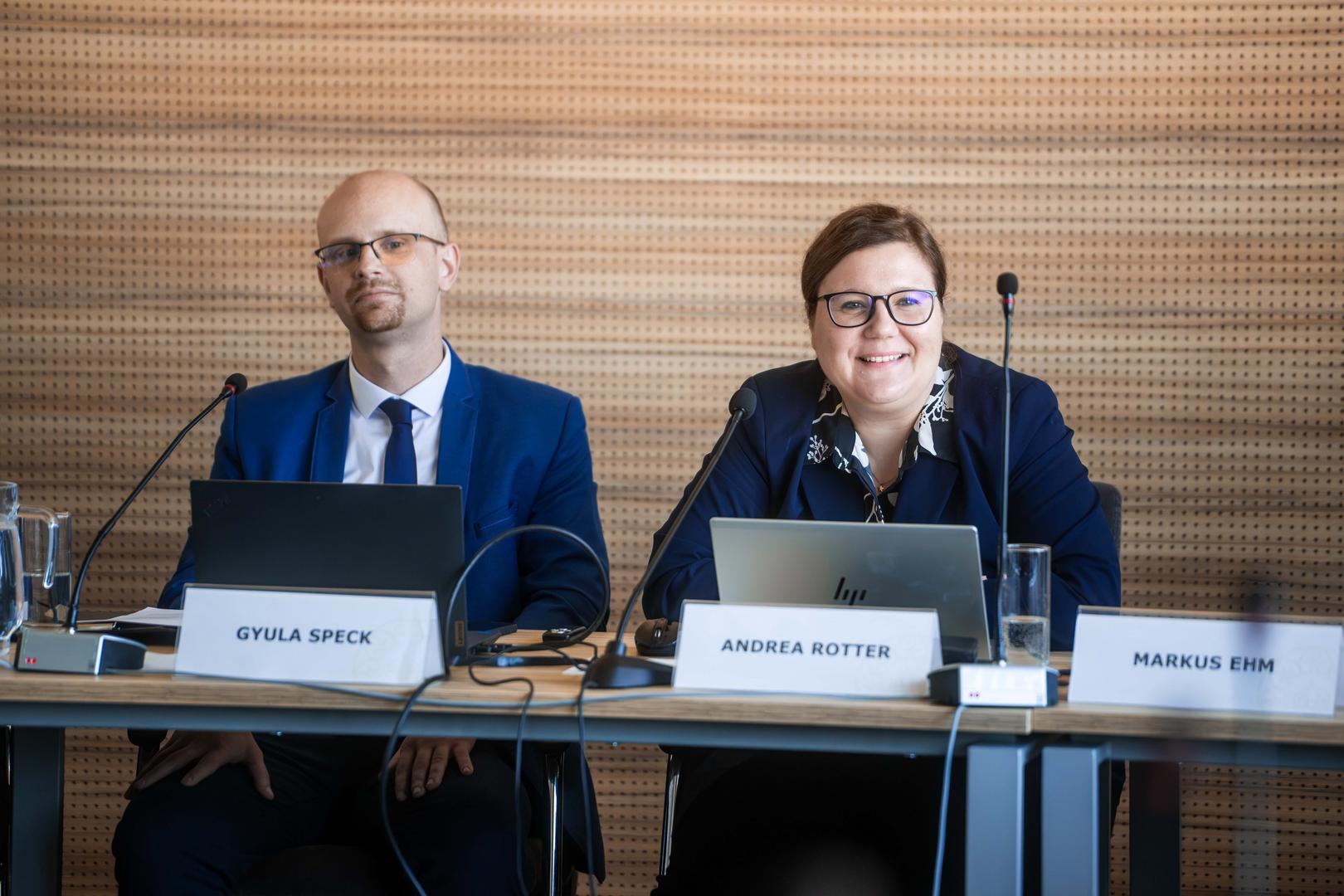
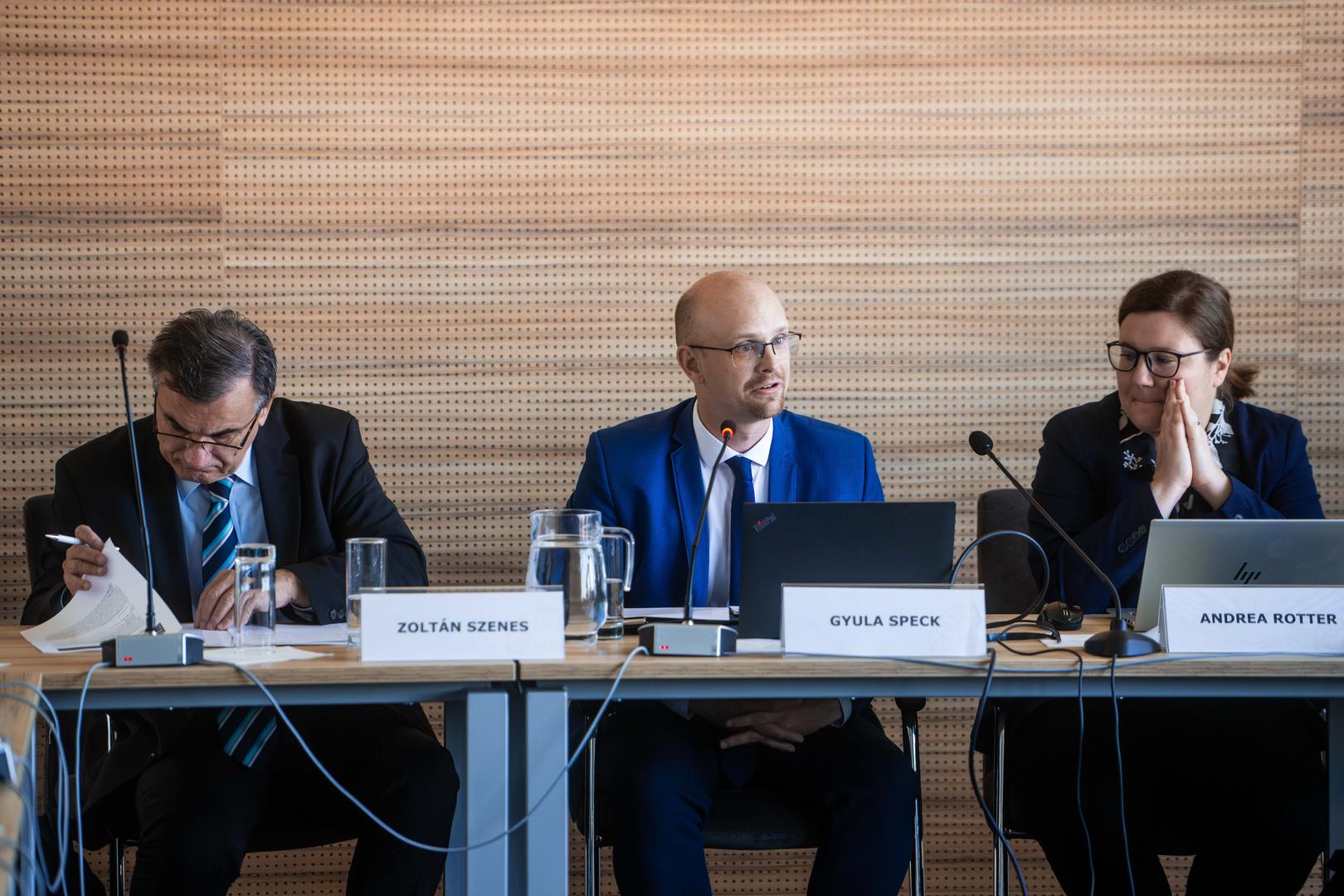
The first panel discussion addressed current issues in defence policy. The panellists were Andrea Rotter, Head of the Foreign and Security Policy Division at the Academy for Politics and Current Affairs of the Hanns Seidel Foundation, and Zoltán Szenes, Professor Emeritus of Ludovika University of Public Service and former Chief of Defence Staff of the Hungarian Defence Forces. The discussion was moderated by Gyula Speck, Assistant Lecturer at the Department of International Security Studies of Ludovika University of Public Service.
Andrea Rotter outlined the ongoing transformation of German defence policy, which represents a significant shift in both strategic and financial terms. She highlighted the Zeitenwende, or turning point, triggered by Russia’s 2022 invasion of Ukraine, as a watershed for Germany. One of the key factors behind this shift was the recognition that Germany and Europe had for too long operated on the assumption that war would not return to the continent. The war in Ukraine fundamentally challenged this premise and made a reassessment of German security and defence policy necessary. An important milestone in this process was the adoption of Germany’s first National Security Strategy in 2023, providing a strategic response to the changed security environment.
Zoltán Szenes pointed out that Germany is assuming an increasingly important role in the changed European security environment. He emphasised that Germany’s strategic shift has implications not only for Germany itself, but also for the defence policies of other European states. Both the changing security environment and Germany’s growing ambitions are putting pressure on European countries to strengthen their own defence capabilities.
The second panel discussion focused on energy security and European strategic autonomy. The panellists were Frank Umbach, Head of Research at the European Cluster for Climate, Energy and Resource Security (EUCERS) within the Center for Advanced Security, Strategic and Integration Studies (CASSIS) at the University of Bonn, and András Deák, Senior Research Fellow at the John Lukacs Institute. The discussion was moderated by Borbála Tóth, Research Fellow at the Regional Centre for Energy Policy Research (REKK) at Corvinus University of Budapest, who opened the panel by illustrating, with quantitative data, the macroeconomic costs for Europe resulting from the closure of the Strait of Hormuz.
Frank Umbach provided a detailed assessment of the effects of the US–Iran war on energy production in the Gulf region, as well as the military and political considerations underlying these developments. He also addressed several strategic questions concerning German energy policy. He described Germany’s complete nuclear phase-out as a mistake and raised the possibility of reconsidering this decision. He was optimistic about the future use of hydrogen technologies in the energy sector, while remaining sceptical about the prospect of Russian natural gas returning to the European energy market.
András Deák analysed Europe’s strategic position from the perspective of the continent’s scarcity of resources. He noted that, in the current era of weaponised interdependence, one of Europe’s traditional strengths – sectoral coalition-building – can no longer operate in its previous form. Under these circumstances, the pursuit of strategic autonomy is increasingly becoming a necessity for European actors, even though the continent has never previously attempted to achieve autonomy on such a scale.
Photos: Dénes Szilágyi
Text: Fanni Juhász, András Deák, JLI