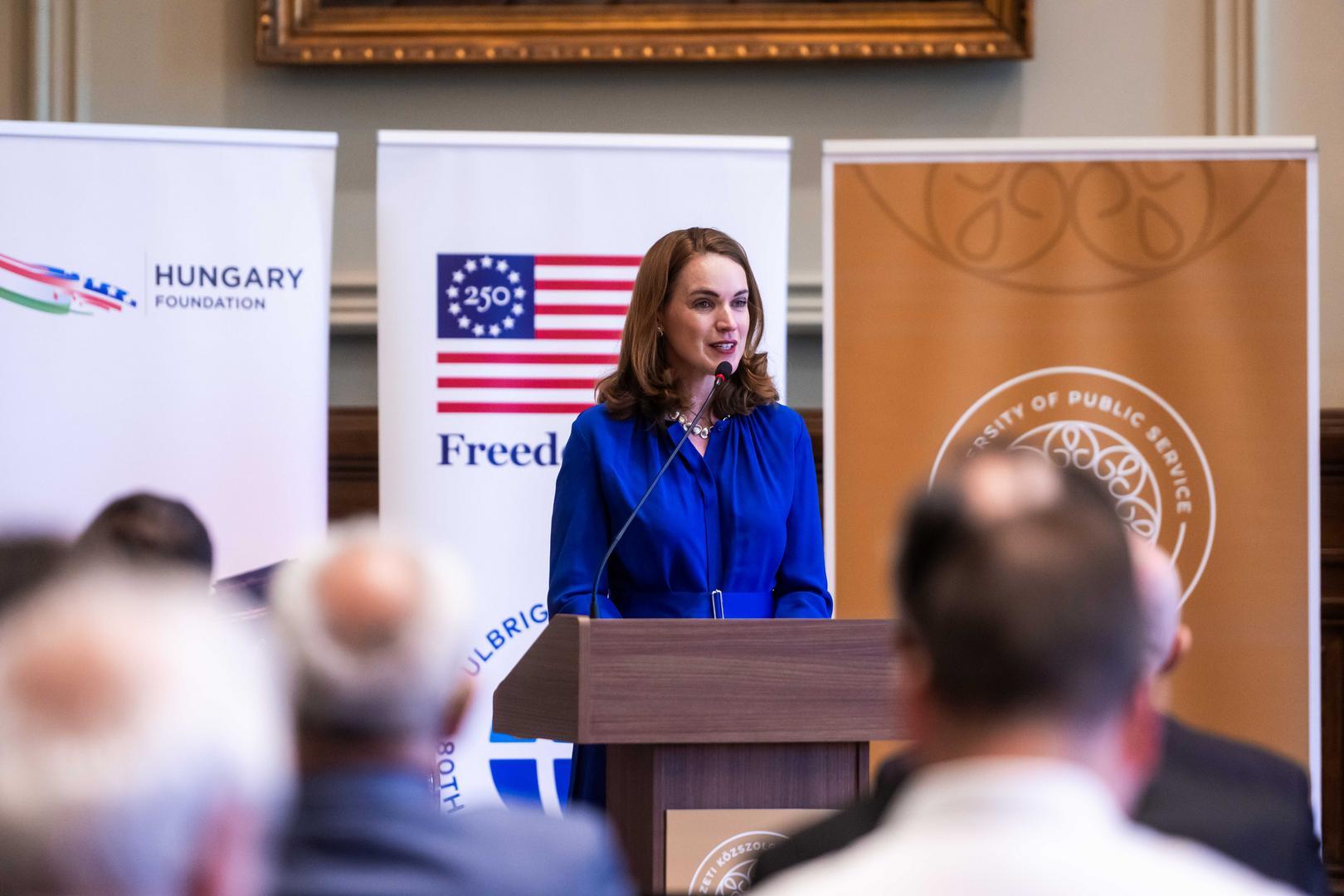
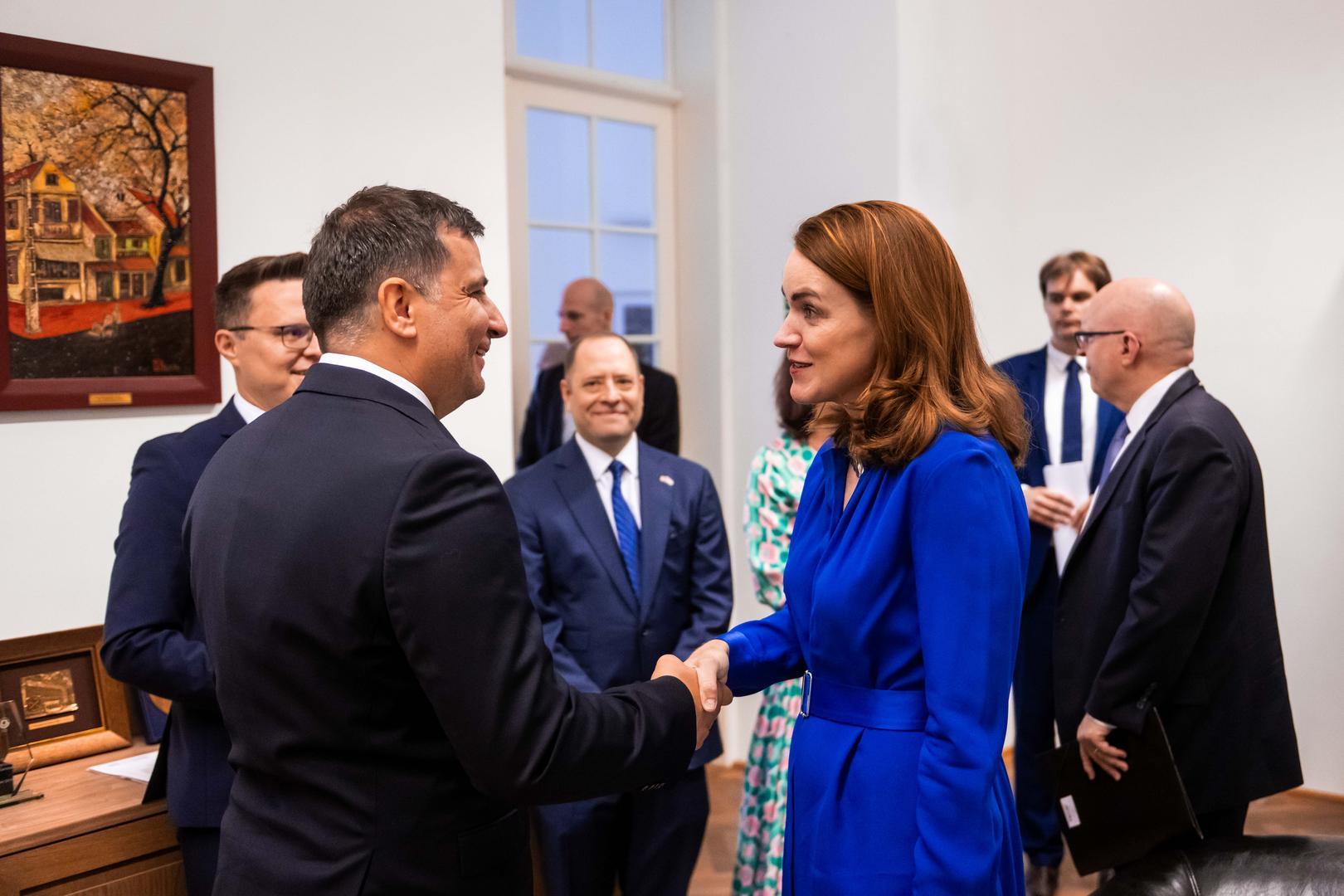
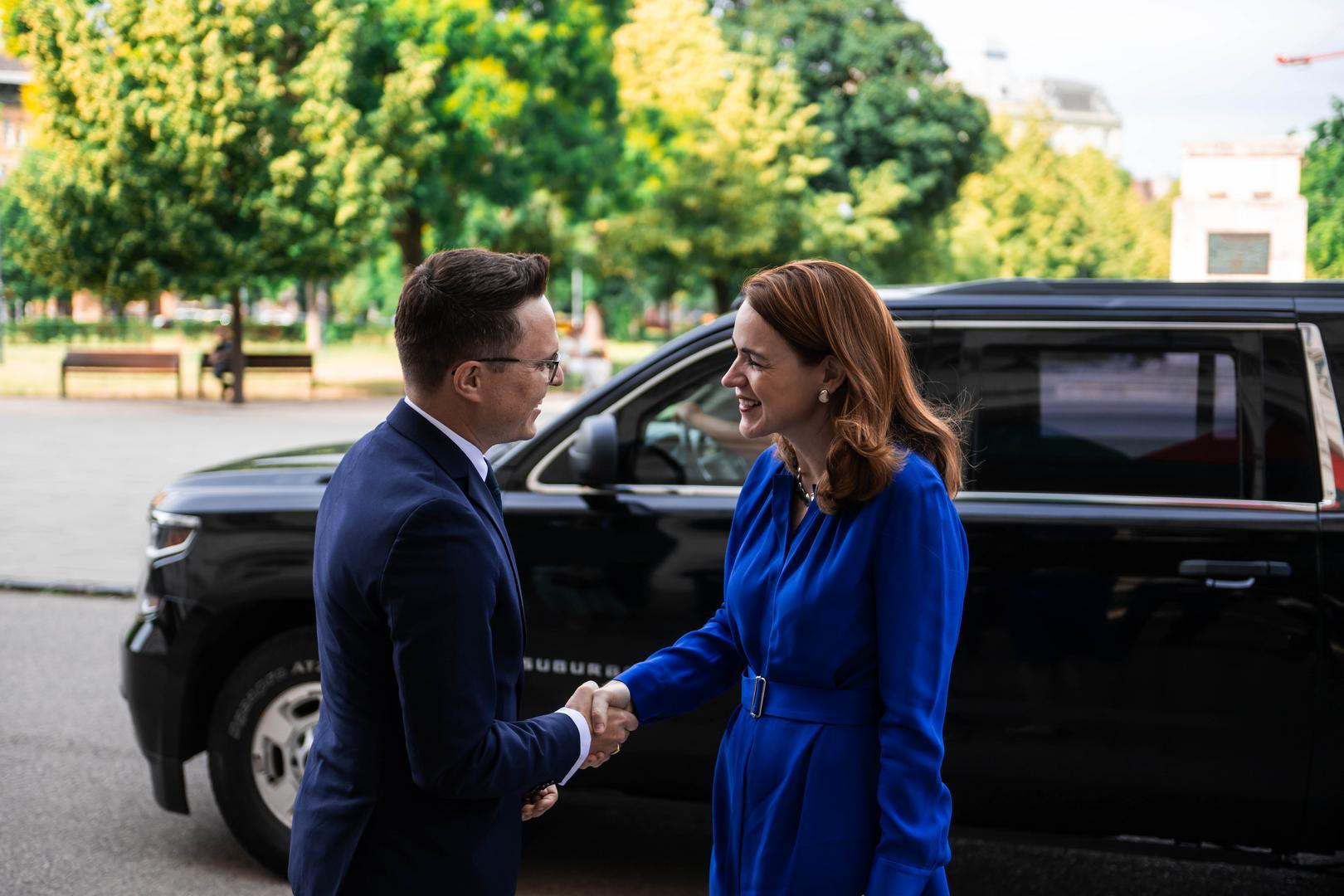
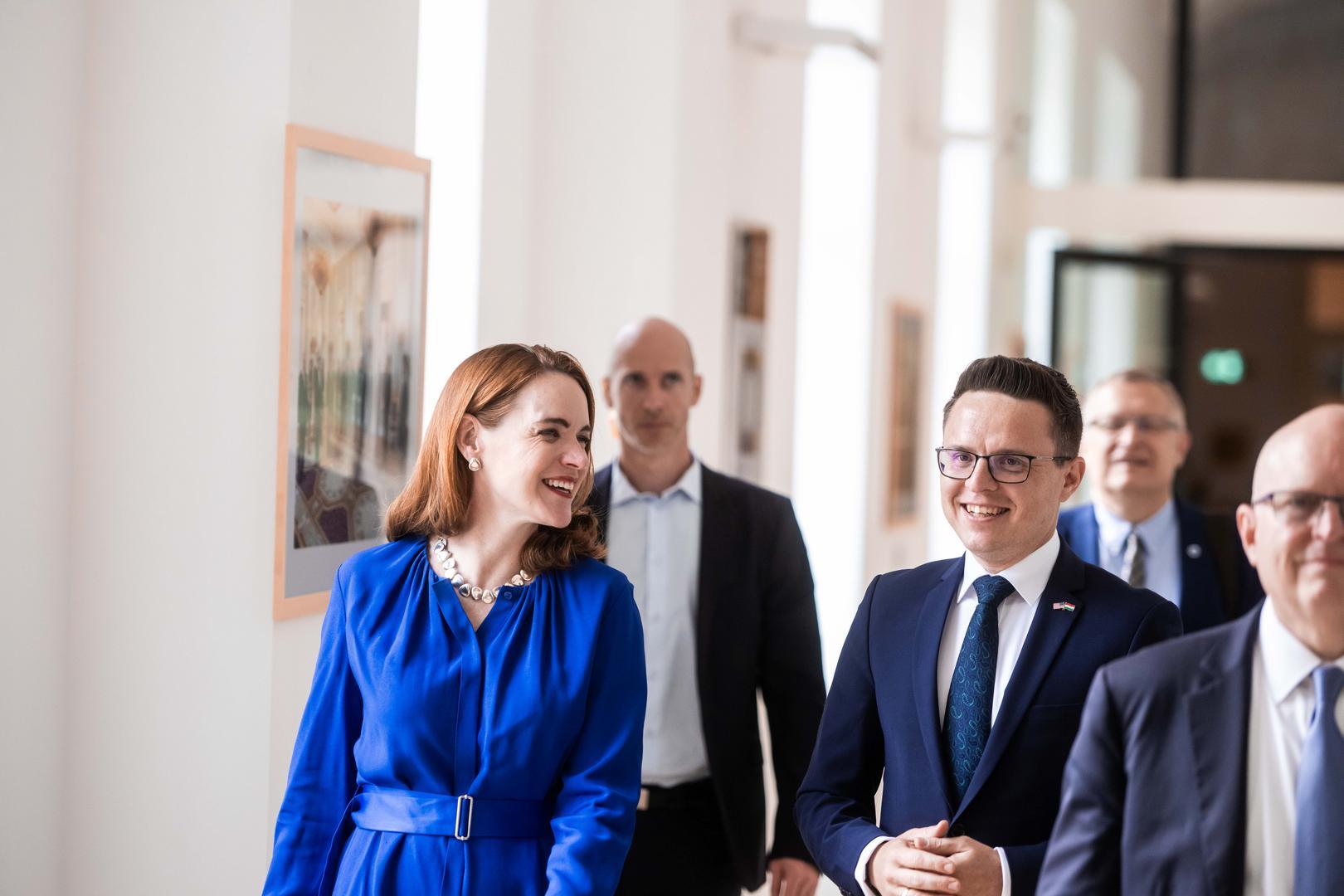
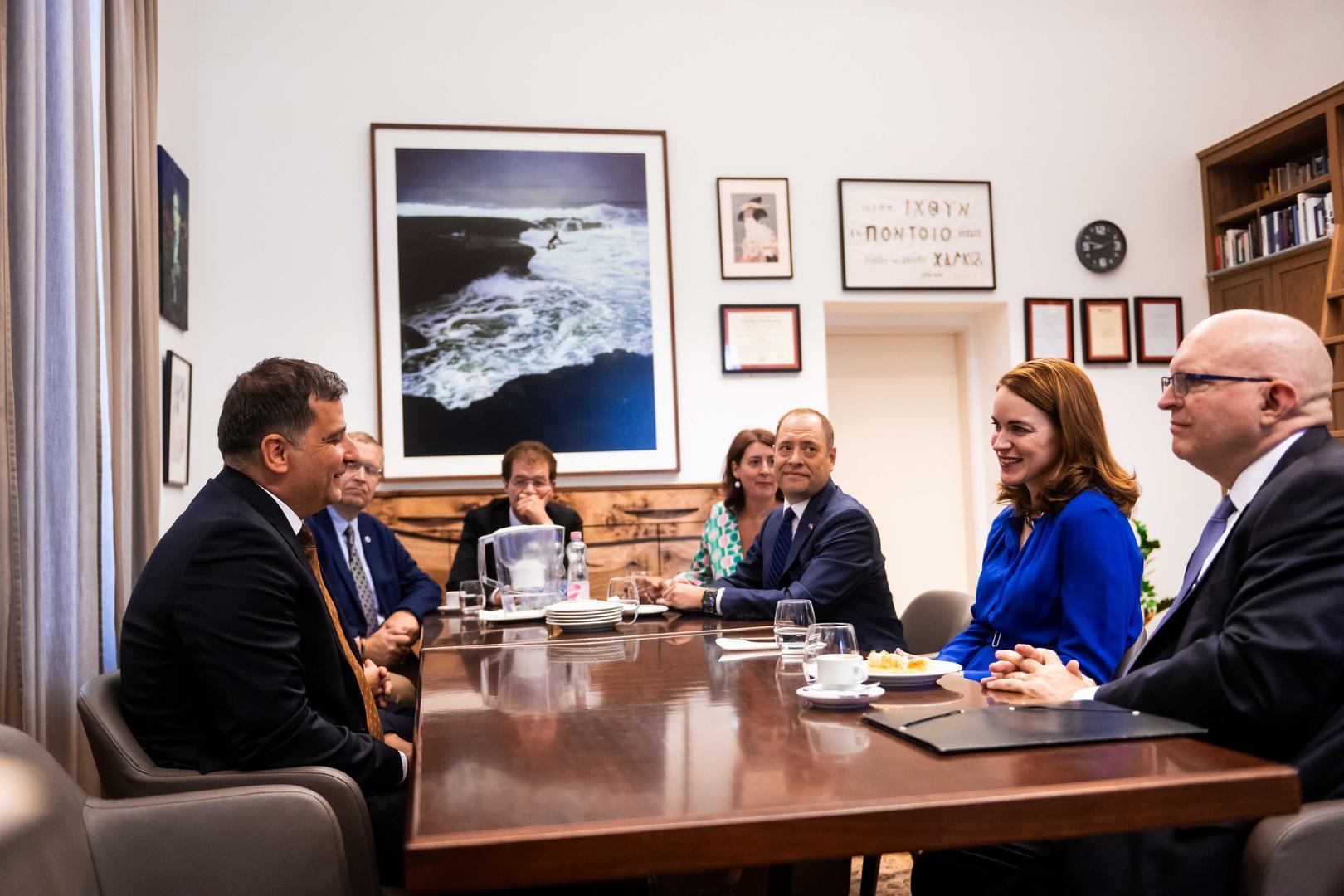
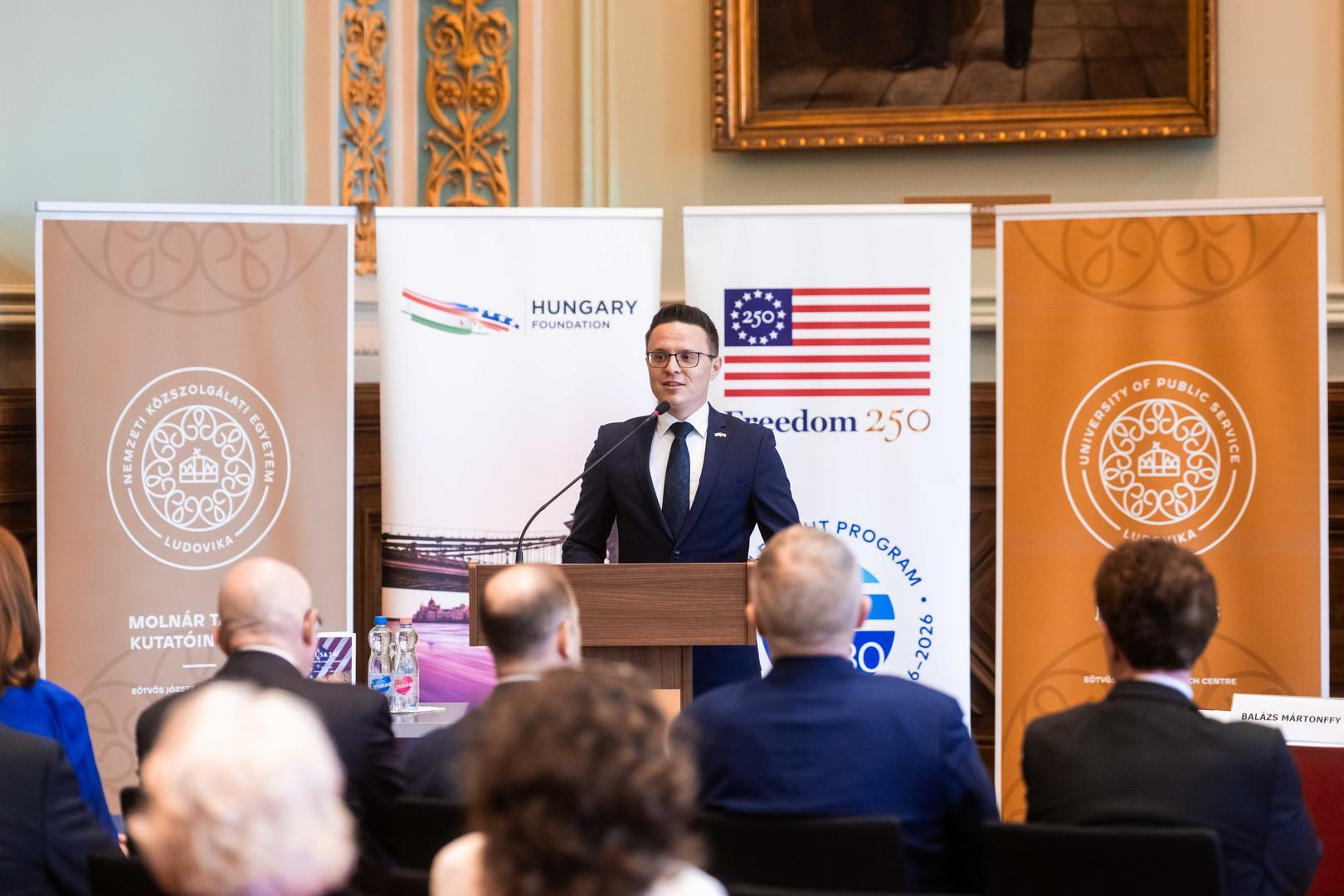
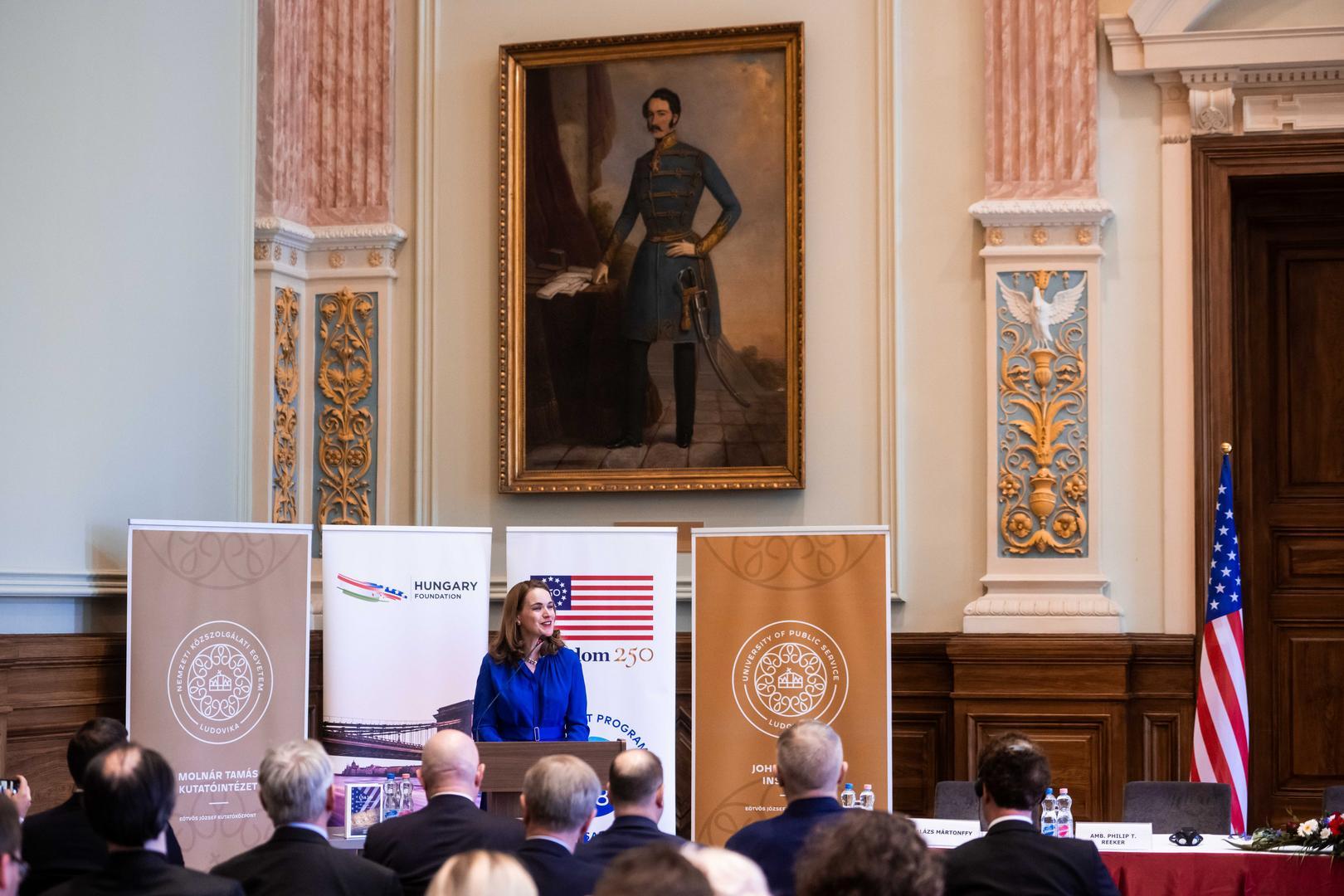
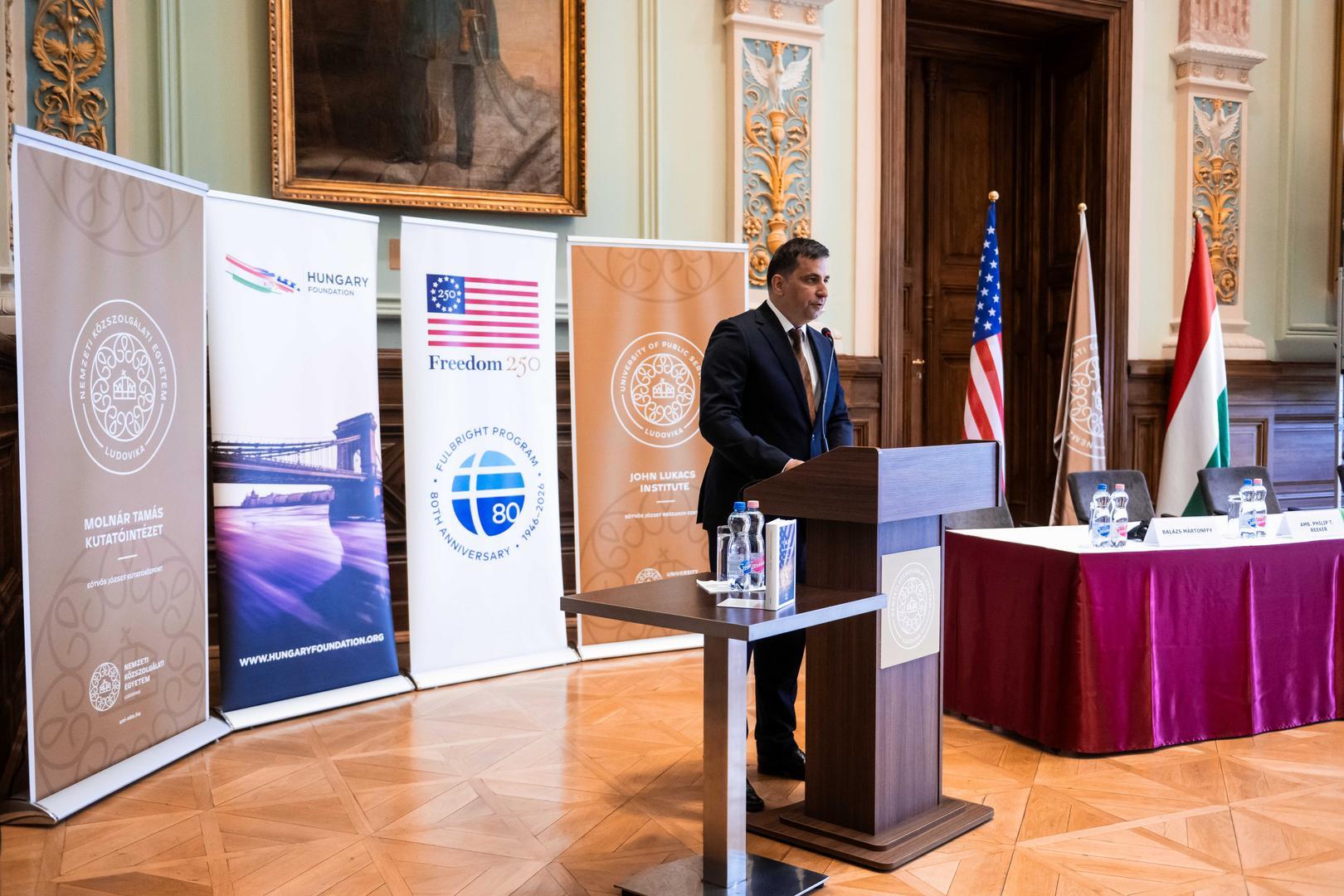
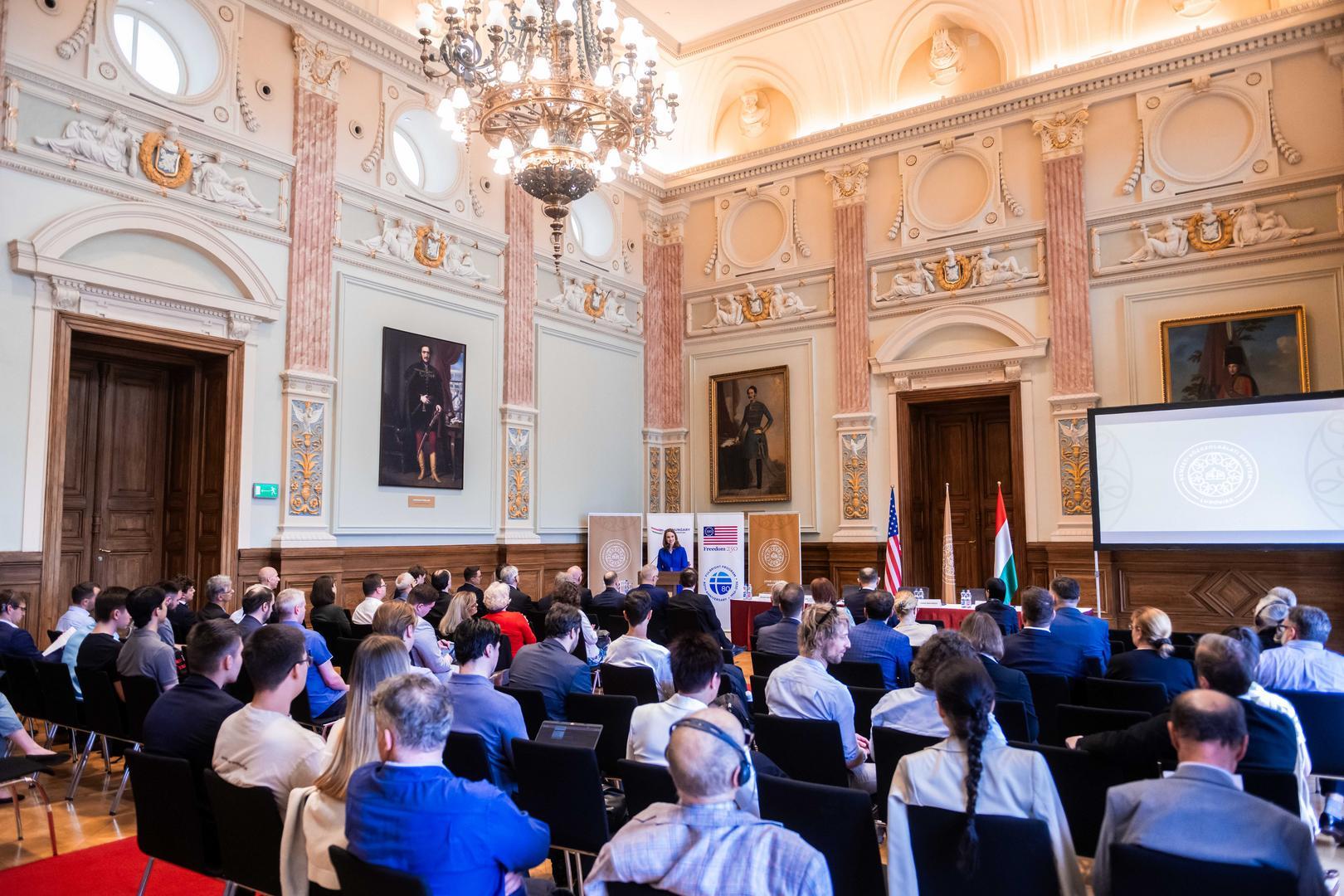
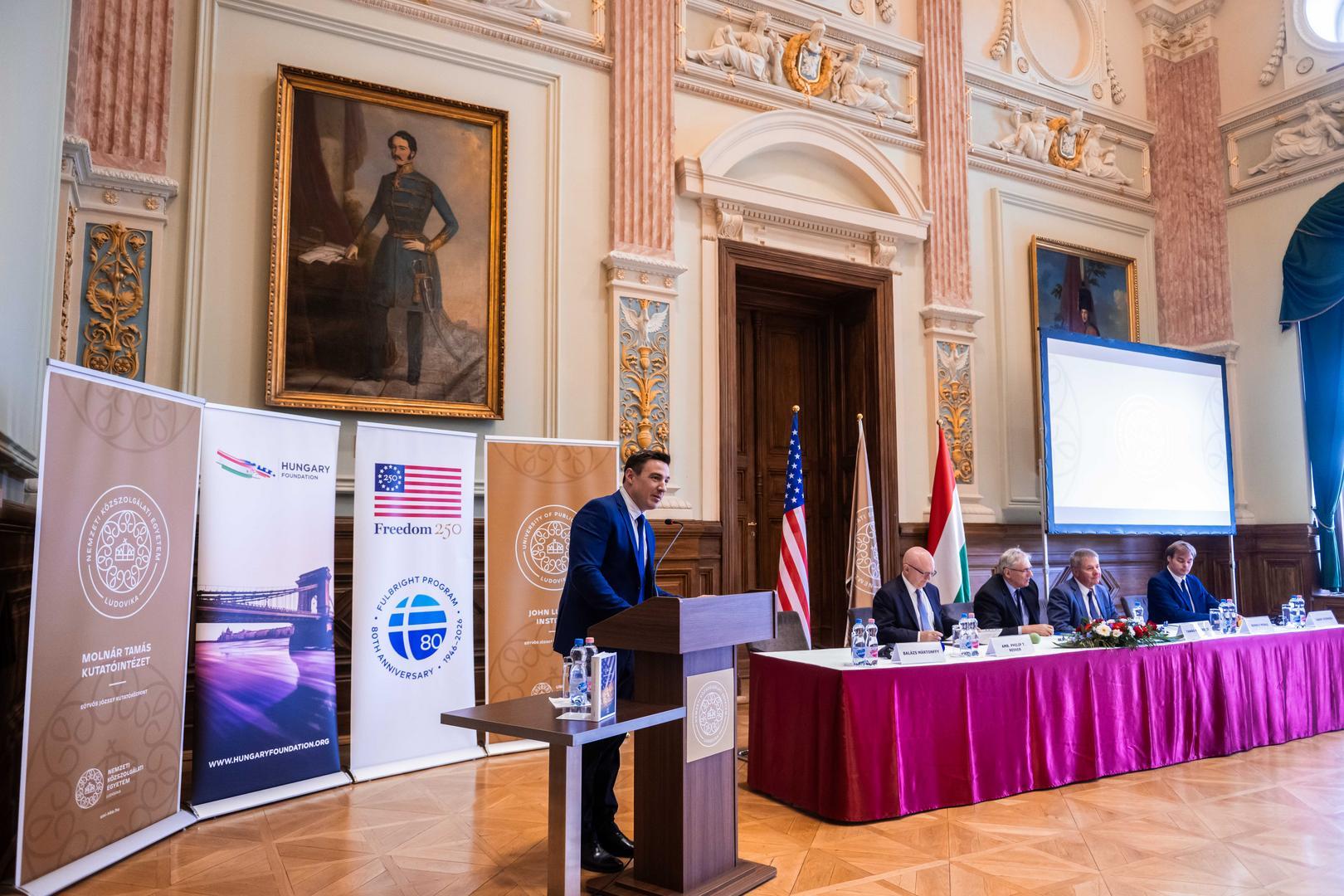
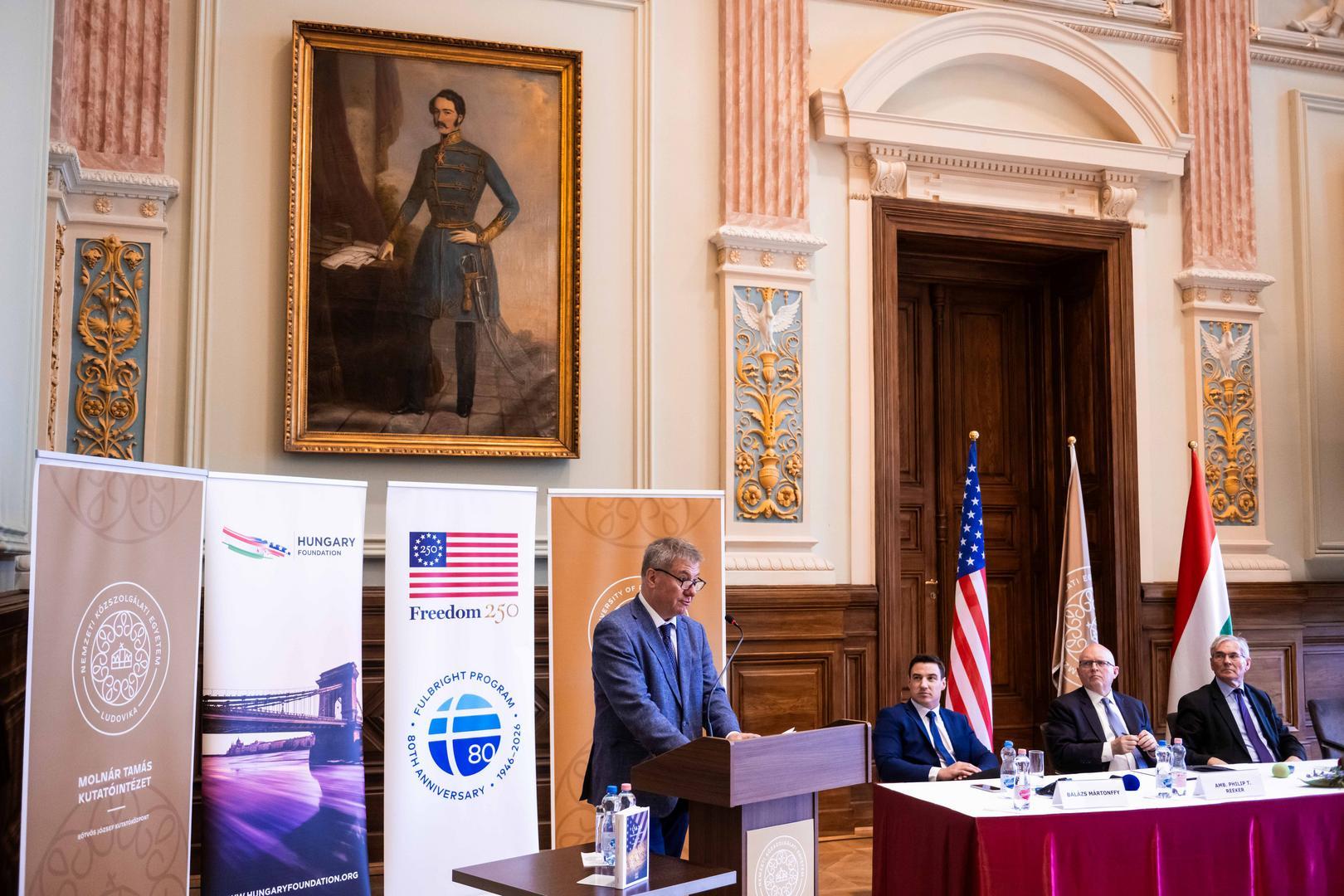
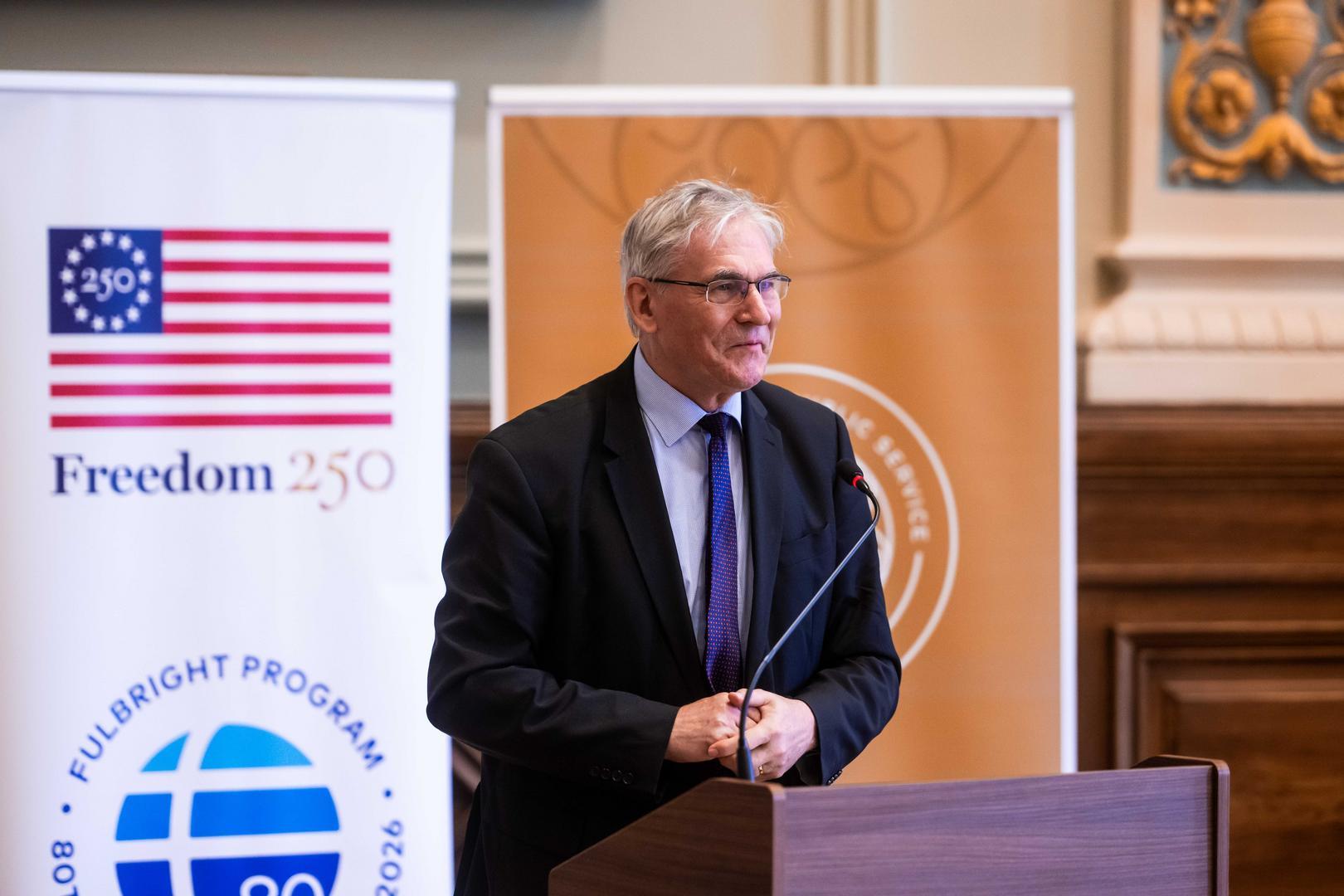
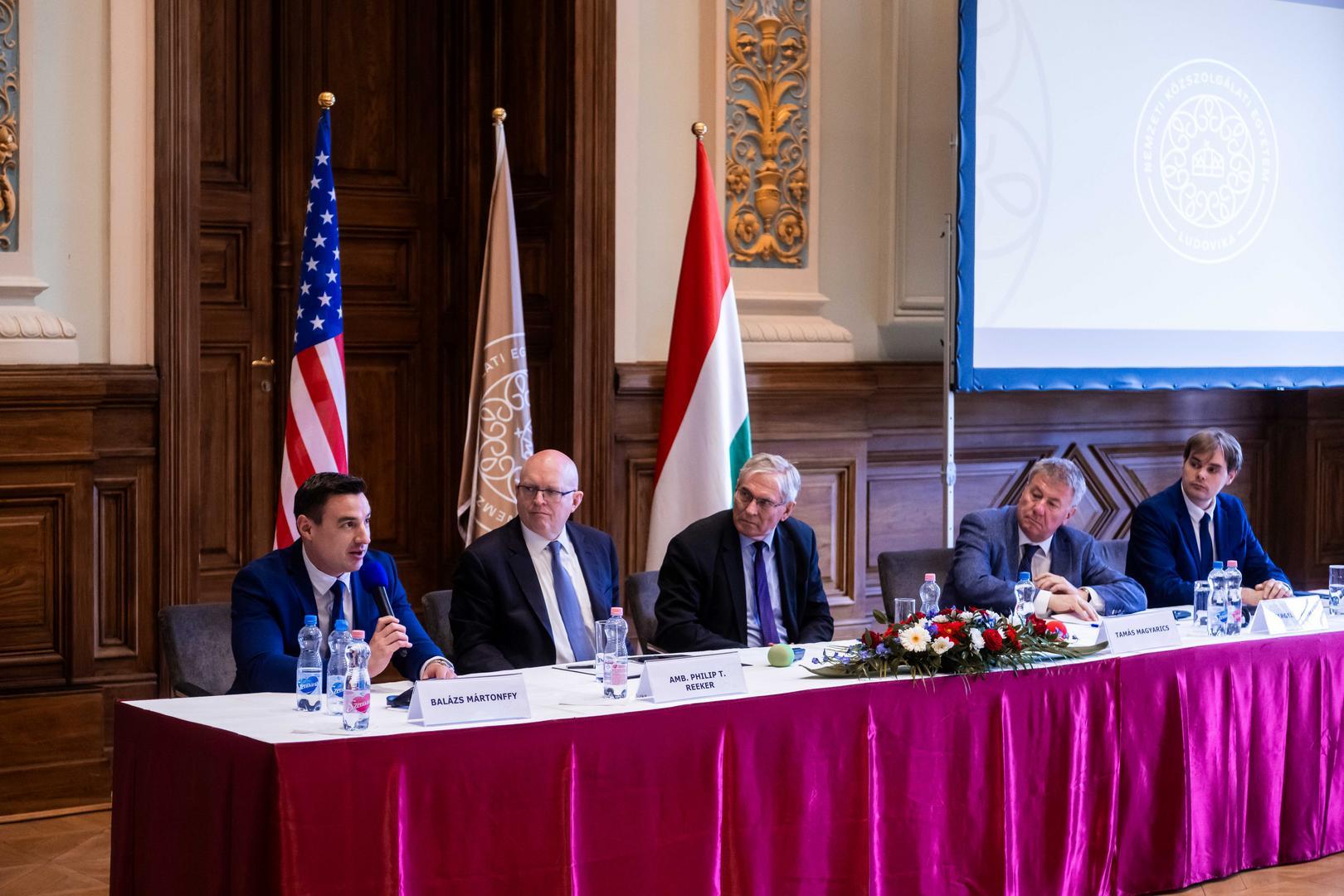
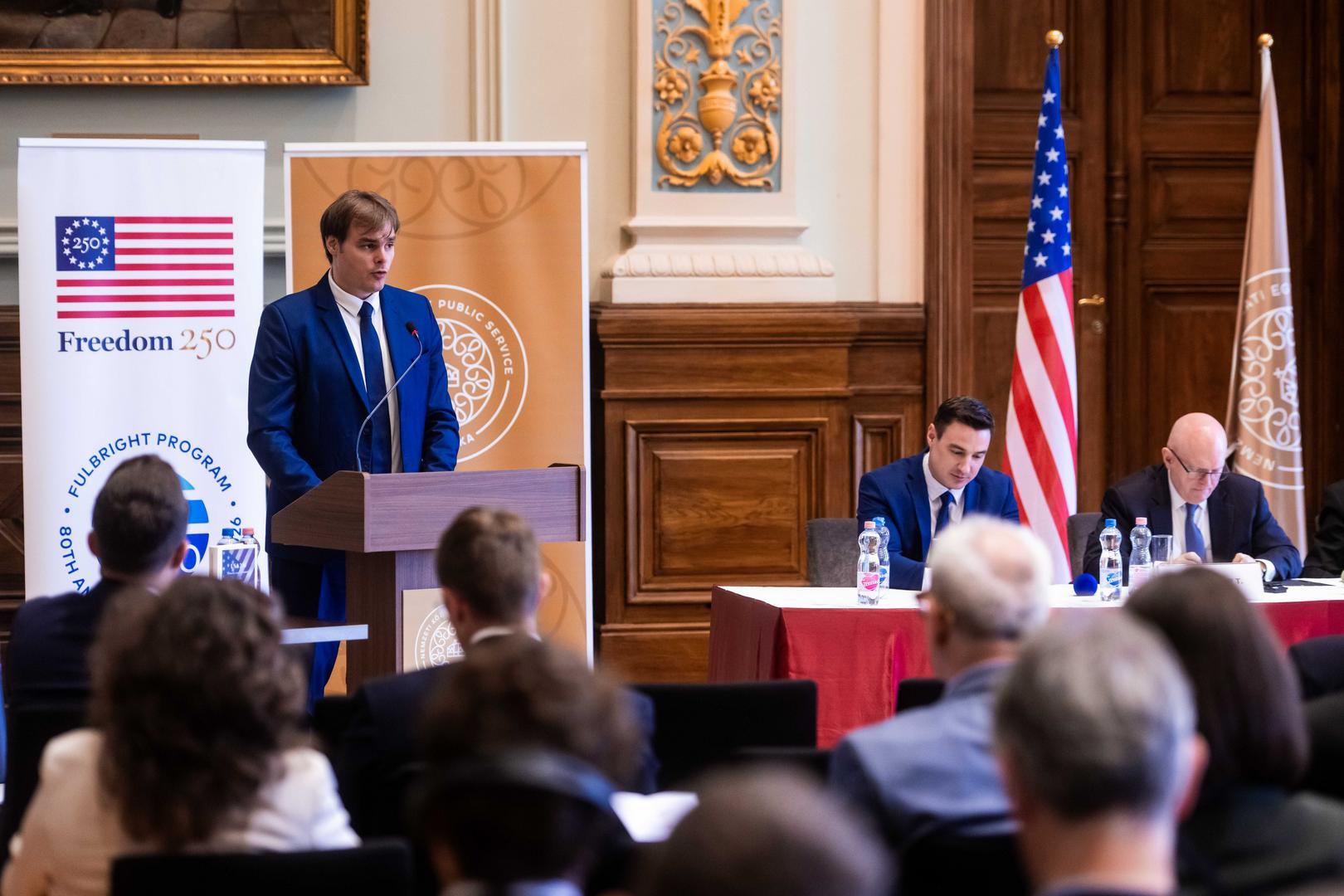
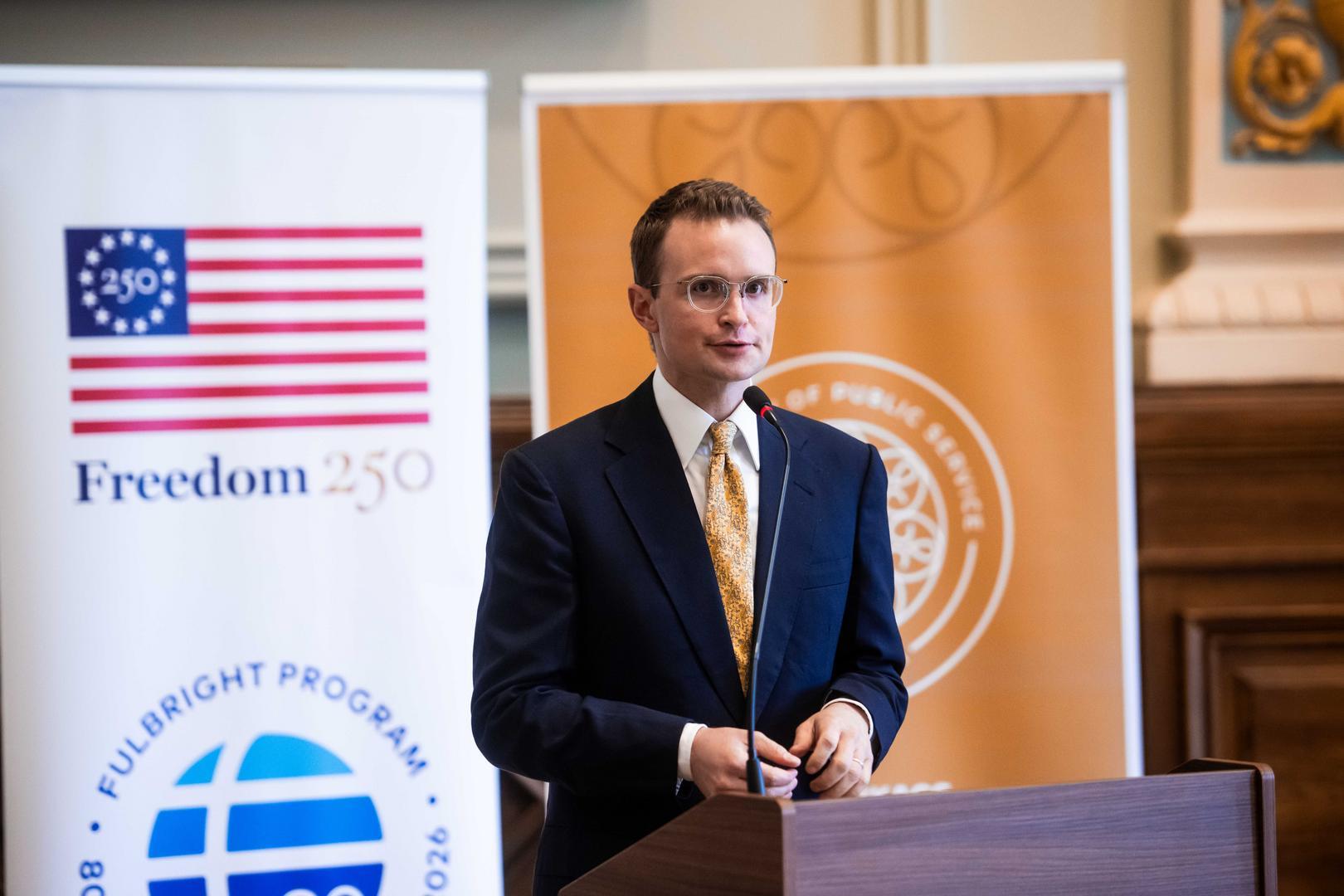
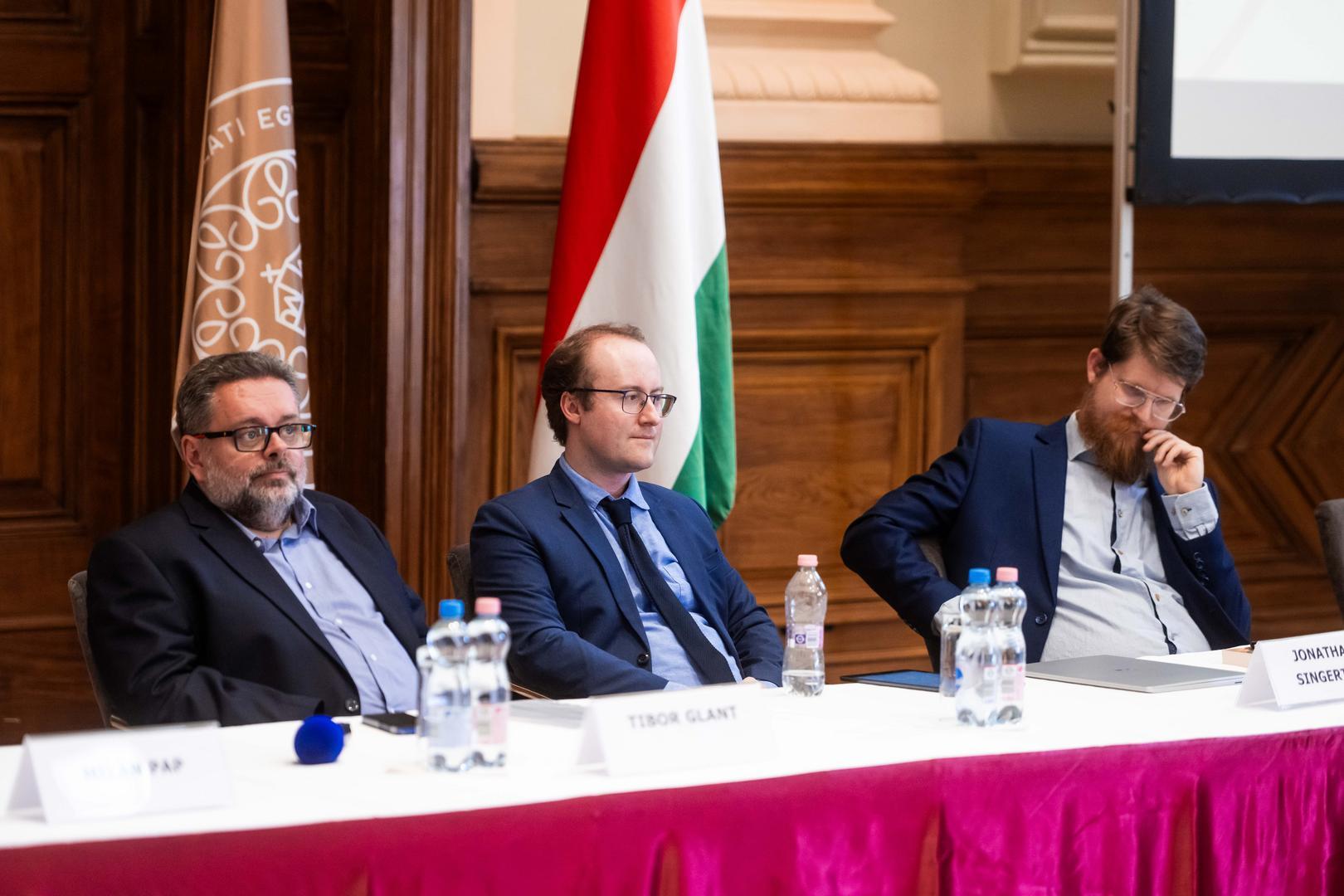
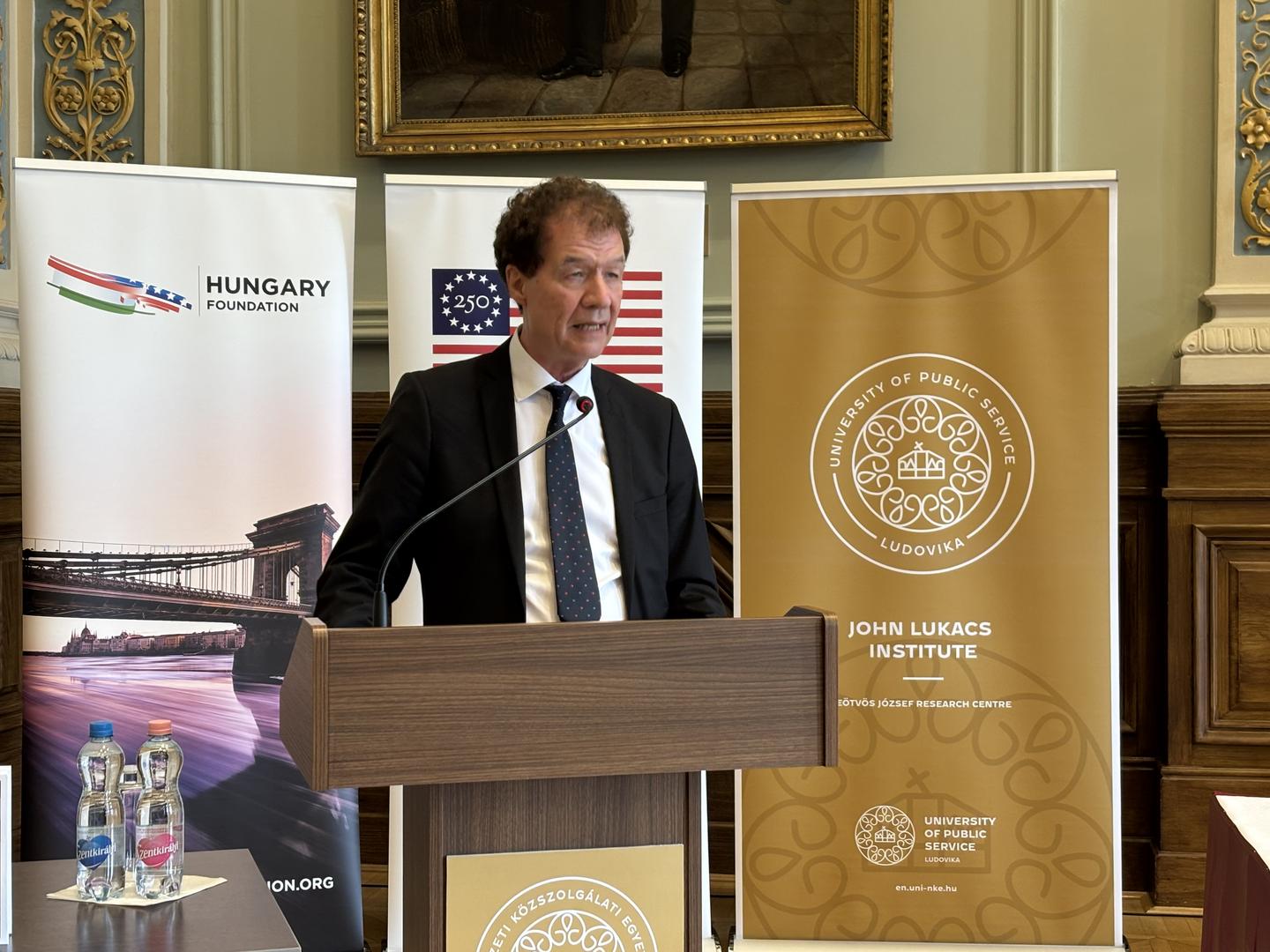
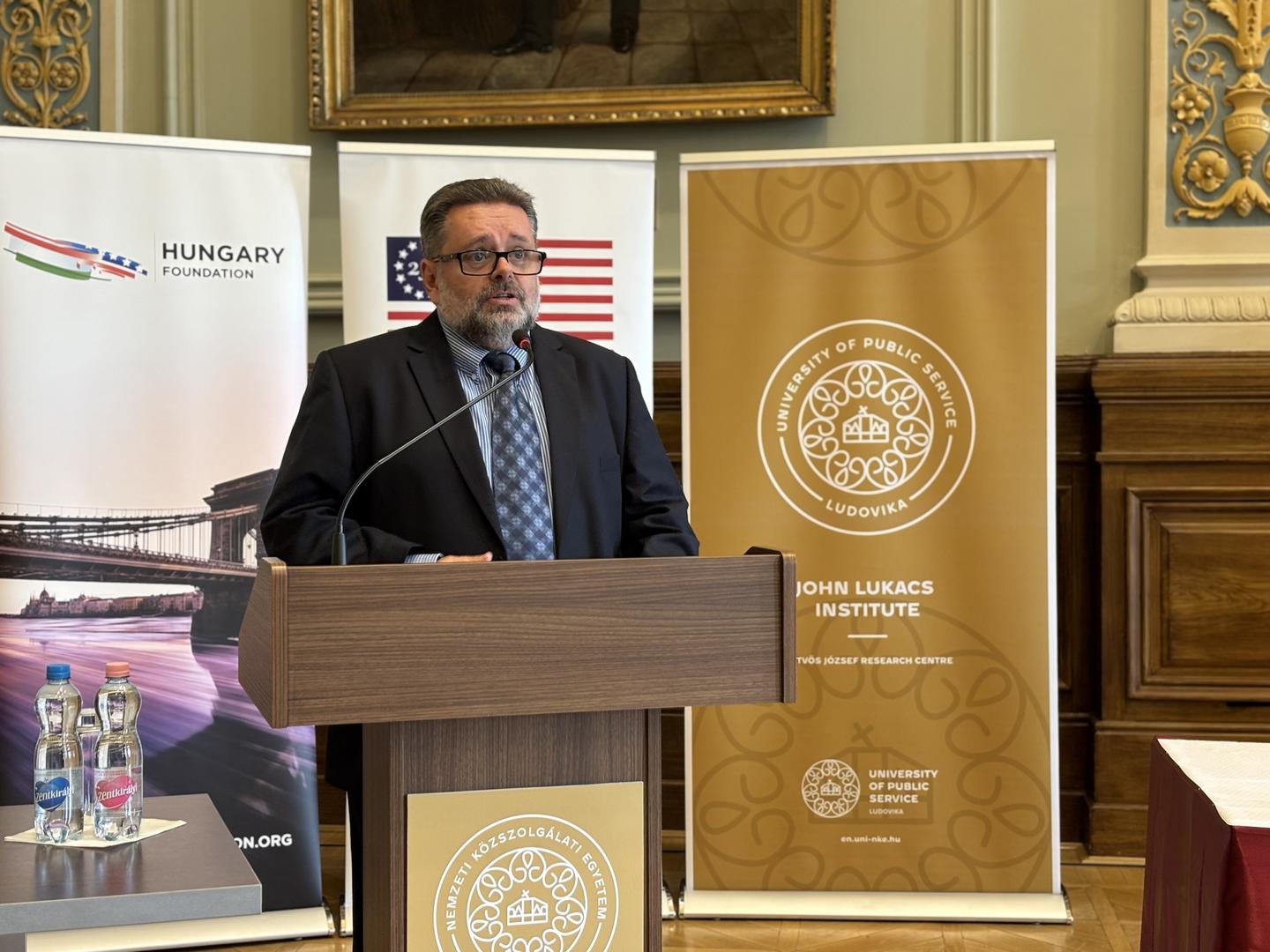
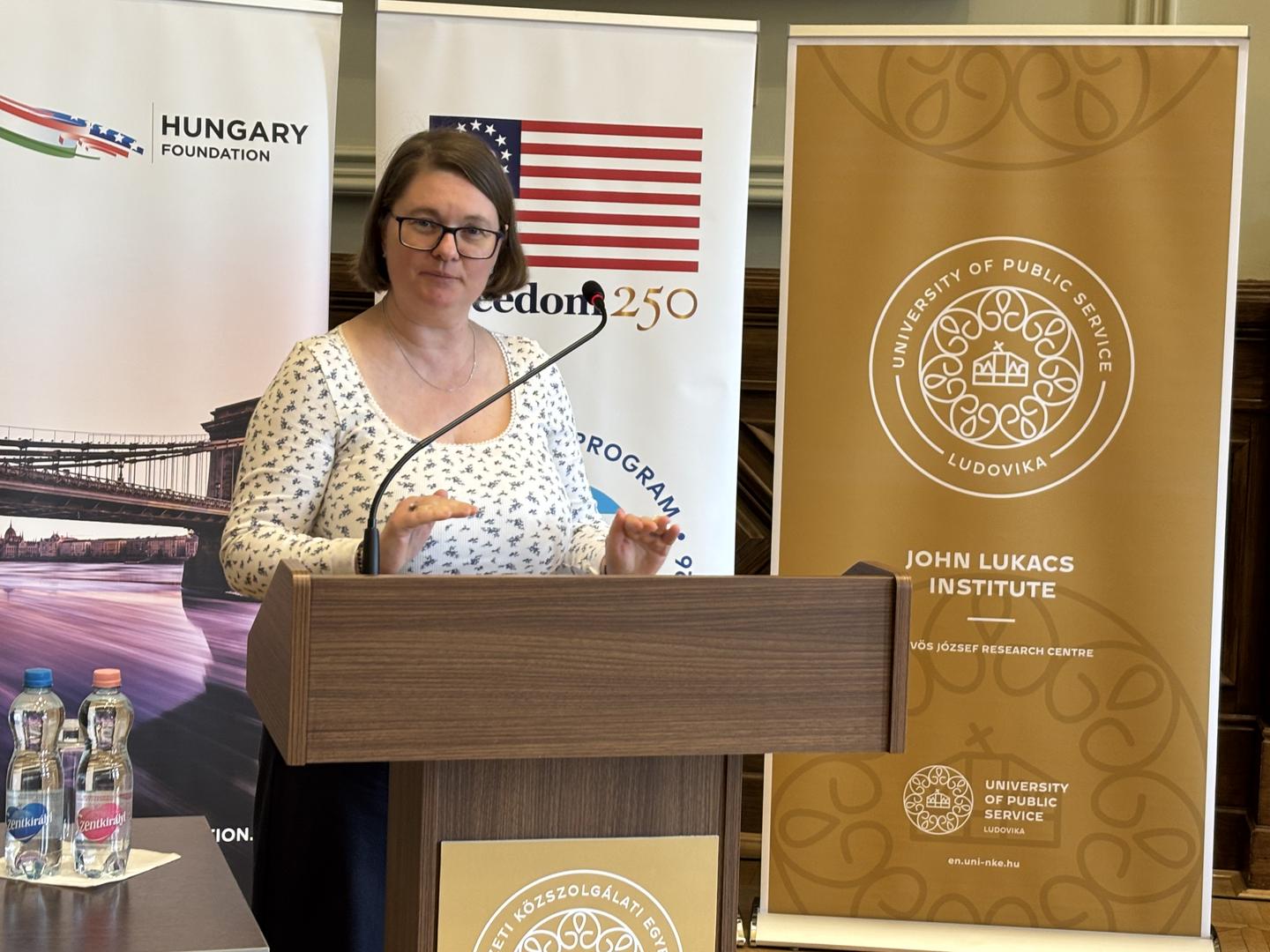
The two-day conference “America and Freedom 250”, held at the Ludovika University of Public Service, examined the historical legacy of American independence, liberty and democracy in anticipation of the upcoming 250th anniversary of the foundation of the United States, with particular attention to Central European perspectives. The event provided insights into the development of key aspects of American foreign policy, constitutionalism, and culture from the founding of the United States to the present day.
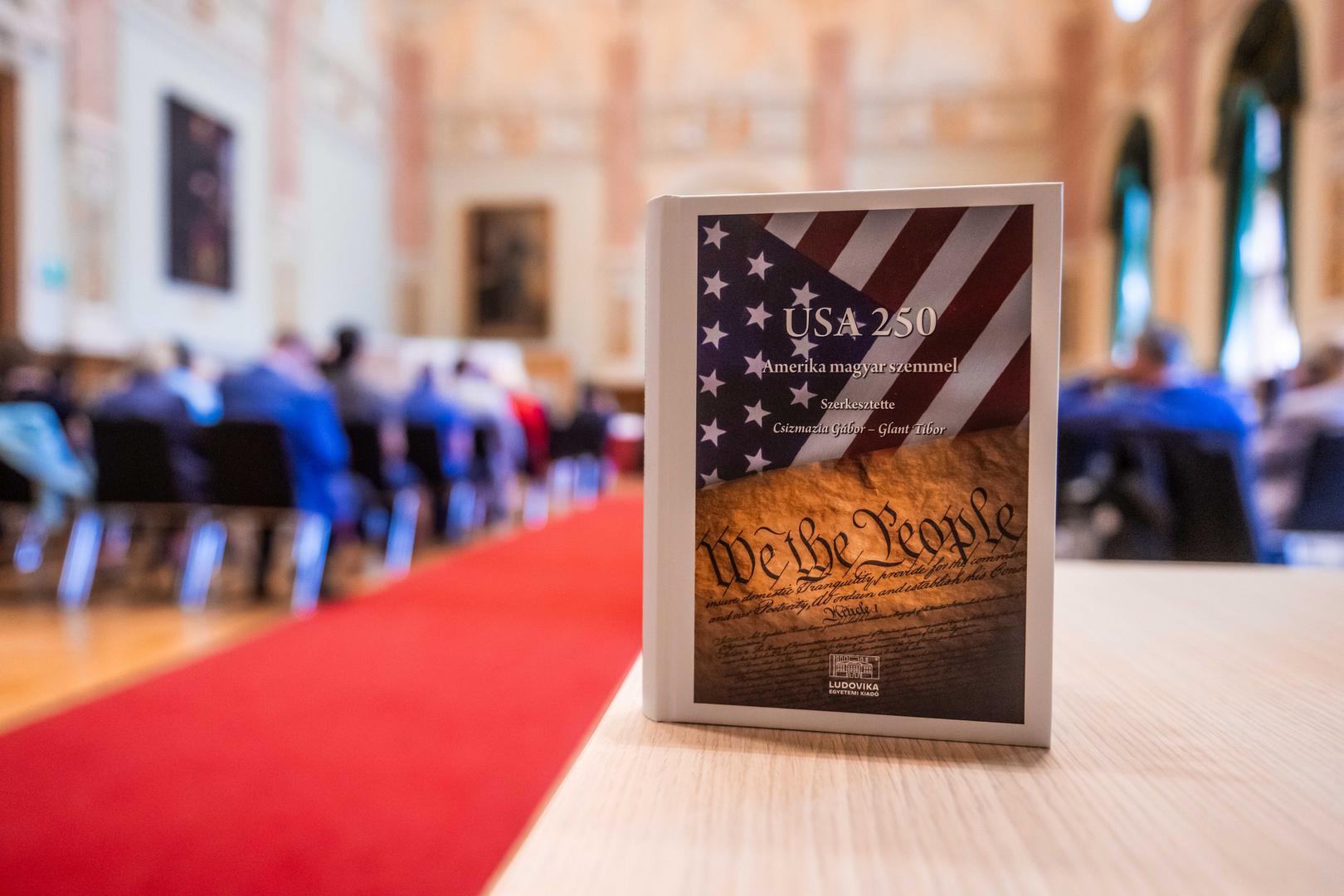
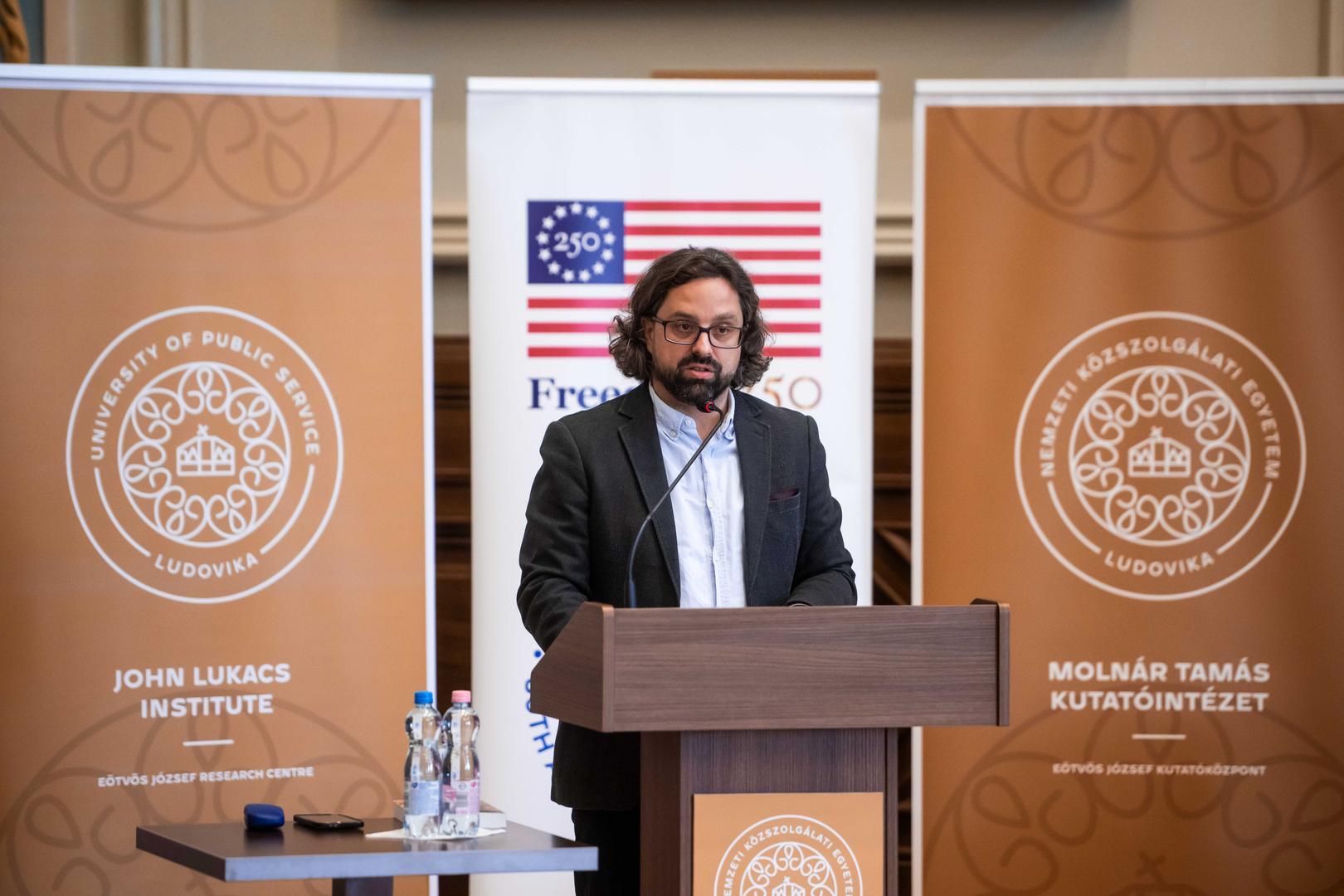
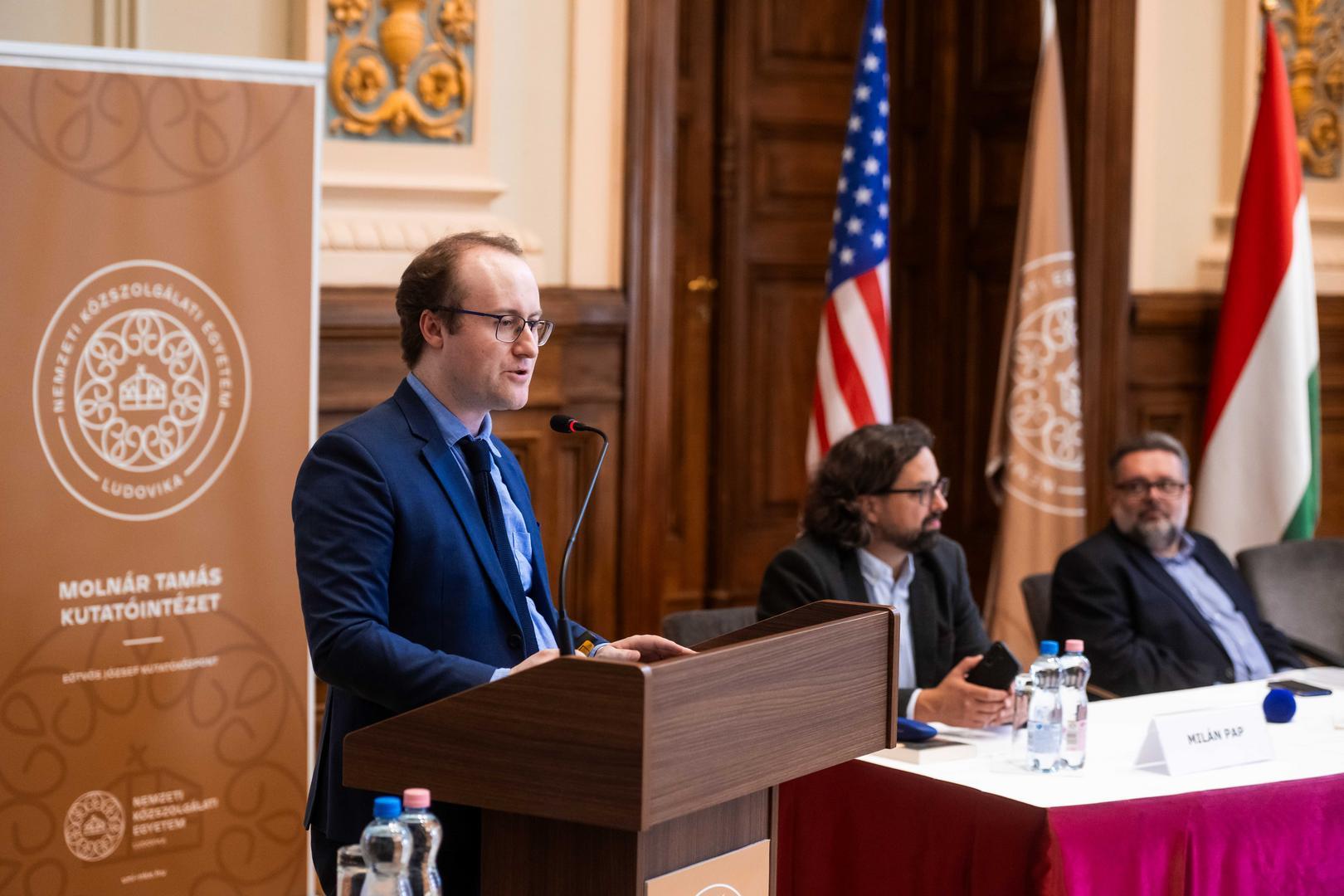
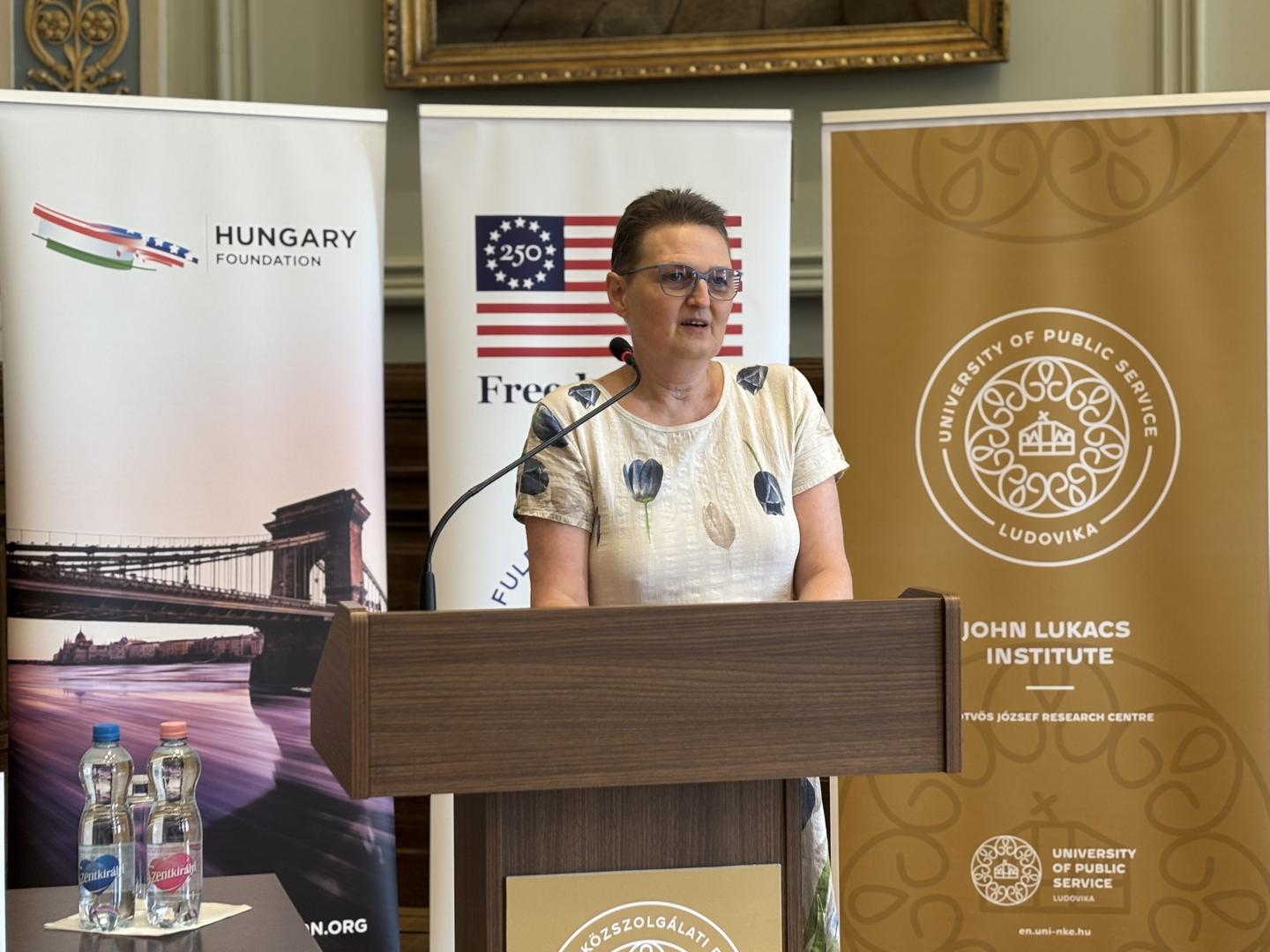
The conference was jointly organized by the U.S. Embassy in Budapest, the Hungarian-American Fulbright Commission, the Hungary Foundation, and the John Lukacs Institute for Strategy and Politics and the Thomas Molnar Institute for Advanced Studies of the Ludovika University of Public Service. Several of the presentations drew upon studies in the volume USA 250: Amerika Magyar szemmel [USA 250: America Through Hungarian Eyes] published on the occasion of the 250th anniversary of the founding of the United States.
The opening keynote of the first day was delivered by Jonathan Singerton, researcher at Vrije Universiteit Amsterdam. He argued that the American War of Independence and the birth of the United States generated a much greater response within the Habsburg Monarchy than previously assumed. Central European intellectuals and political elites in the late eighteenth century followed closely the developments in America. Singerton emphasized Benjamin Franklin’s prominence in Europe and the role he played in disseminating the ideas of the American Revolution. He presented numerous examples of how students, scholars, and military officers from the territories of the Habsburg Monarchy became connected to the American cause and viewed American independence as a model of liberty and self-determination.
Following the keynote address, Ágoston Nagy, research fellow at the Thomas Molnar Institute for Advanced Studies, examined the interpretation of the American Civil War by the Hungarian-born Lajos Asbóth. Beyond a military conflict, the Civil War represented a moment of constitutional renewal and the expansion of freedom in the United States. Nagy highlighted that Asbóth regarded the abolition of slavery and the preservation of the Union as a second founding of the American republic. This interpretation aligns with modern historiography, which argues that the Civil War and the constitutional reforms that followed fundamentally redefined the concepts of American liberty and citizenship.
The presentation by Tibor Glant, research professor at the John Lukacs Institute for Strategy and Politics, explored perceptions of American democracy in interwar Hungary. Despite the significant differences between the political systems of Hungary and the United States, interest in the American political model remained strong. Hungarian travelers, journalists, historians, and political thinkers regularly examined American constitutionalism, freedom of the press, and democratic institutions.
During the panel discussion, participants reflected on the influence of the American concept of liberty in Central Europe, historical parallels, changing international perceptions of American democracy, and the fact that liberty and national self-determination have once again become central themes in international political debates. The significance of historical events can also be measured by the way they shape the political thinking of later generations—as demonstrated by the struggle for American independence, which remains one of the most important international reference points for modern understandings of liberty and democracy.
The closing keynote of the first day was delivered by Károly Jókay, Executive Director of the Hungarian-American Fulbright Commission, under the title “The Hungarian-American Experience and the Legacy of American Independence.” Drawing on personal experiences, including his upbringing in Chicago, he presented the history and experiences of the Hungarian-American diaspora, with particular attention to post-1945 emigration, the refugee wave following the 1956 Revolution, and the efforts of Hungarian-American communities to preserve their identity. The legacy of American independence lives not only in political institutions and historical documents but also in the experiences of immigrant communities that found a home in the United States.
The second day of the conference was opened by Gergely Deli, Rector of the Ludovika University of Public Service. In his remarks, he emphasized that the history of American independence constitutes an intellectual legacy encompassing the questions of liberty, equality, and order. These values are also central to the mission of the University. He underscored the importance of academic excellence, good governance, and the service of the public good, while noting that the study of American foreign policy, constitutionalism, and culture continues to offer important lessons for both Europe and Hungary. He added that the United States remains, in the words of the late U.S. Secretary of State Madeleine Albright, the “indispensable nation.”
In her welcome remarks, Caroline Savage, Chargé d’Affaires ad interim of the U.S. Embassy in Budapest, highlighted the significance of the upcoming anniversary. The 250th anniversary offers not only an opportunity for historical commemoration but also a chance to reflect on the values of American democratic traditions, liberty, self-government, and civic participation. She also spoke about the deep historical ties between Hungary and the United States, emphasizing the contributions of Hungarian-born scientists, artists, and public figures to American development. The relationship between the two countries is not merely a state-to-state connection but also a network of personal, community, and cultural ties.
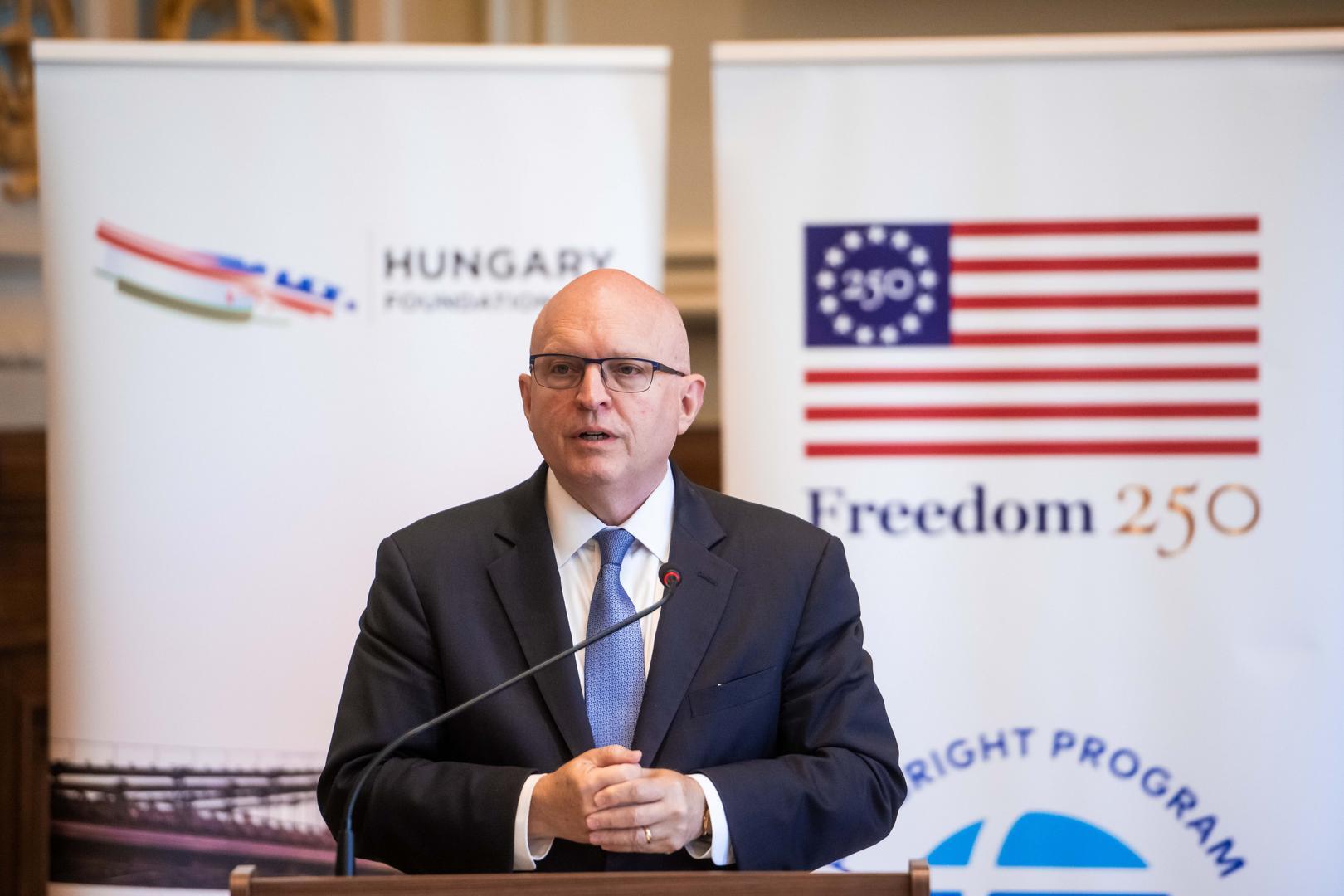
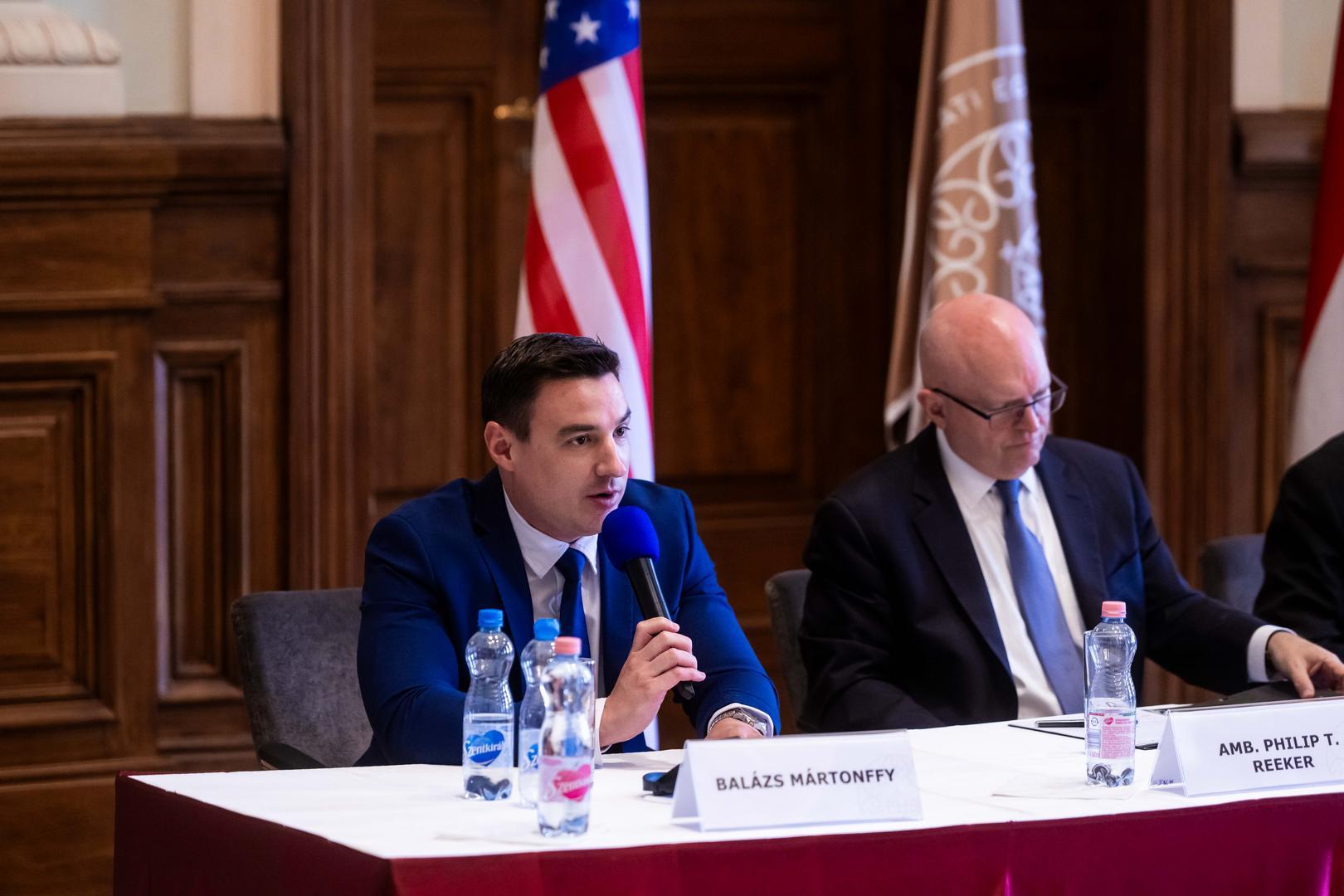
The keynote address of the morning panel was delivered by former Ambassador and American diplomat Philip T. Reeker, Distinguished Fellow for Europe at the Wilson Center, who provided an overview of the historical development of transatlantic relations. He argued that the intellectual roots of the United States are deeply embedded in Europe: American constitutional thought, Enlightenment ideals, and many political institutions are largely of European origin. At the same time, the American Revolution also represented a break with Europe’s imperial traditions.
According to Reeker, the history of the transatlantic relationship has been one of continuous adaptation to changing circumstances. He noted that mass European immigration profoundly shaped American society. He also highlighted Lajos Kossuth’s visit to the United States as a powerful example of the historical connections between Hungary and America. The two World Wars, and particularly the Cold War, laid the foundations for the strategic partnership that defined the Western world for decades.
Among today’s challenges, Reeker identified Russia’s war against Ukraine, the rise of China, technological competition, the regulation of artificial intelligence, and cybersecurity as the most significant. He argued that the future of transatlantic relations will increasingly resemble a partnership among cooperating actors rather than a system of one-sided dependence. He emphasized that the United States and Europe continue to share common interests in international stability, economic prosperity, and the protection of democratic values.
The first speaker on the panel dedicated to American foreign policy was former Ambassador Tamás Magyarics, professor emeritus at Eötvös Loránd University. He argued that the scope of U.S. foreign policy is significantly shaped by geopolitical realities, economic strength, natural resources, and military capabilities. Throughout American history, the belief that the United States occupies a special place in the world has remained a constant, while the balance between international engagement and independent action has shifted over time.
In his presentation, former Ambassador Gergely Prőhle, Program Director of the John Lukacs Institute for Strategy and Politics, focused on the emotional and historical dimensions of the relationship between America and Europe. For Central Europeans, America long symbolized freedom and hope. He recalled the memory of the 1956 Hungarian Revolution and the experience of listening to Voice of America broadcasts during the communist era as a connection to the free world. The legacies of Henry Kissinger, József Mindszenty, Ronald Reagan, and other historical figures also featured prominently in his presentation. According to Prőhle, the foundation of the transatlantic relationship lies in a shared civilizational heritage and the ideals of human dignity, liberty, and democratic responsibility.
According to Gábor Csizmazia, senior research fellow at the John Lukacs Institute for Strategy and Politics, internationalist traditions remain deeply embedded in the United States, even if they manifest themselves in different forms. He distinguished between liberal, conservative, and progressive strands of internationalism and outlined their historical roots. Much of the debate surrounding U.S. foreign policy, he argued, concerns the extent and manner in which the United States should shape the international system. Misunderstandings frequently arise between Europe and America because the two continents interpret internationalist traditions differently.
During the panel discussion, moderated by Balázs Mártonffy, senior research fellow at the John Lukacs Institute for Strategy and Politics, participants exchanged views on the return of geopolitics, the future of the liberal international order, changing roles of the United States and Europe, and the room for maneuver available to small and medium-sized states.
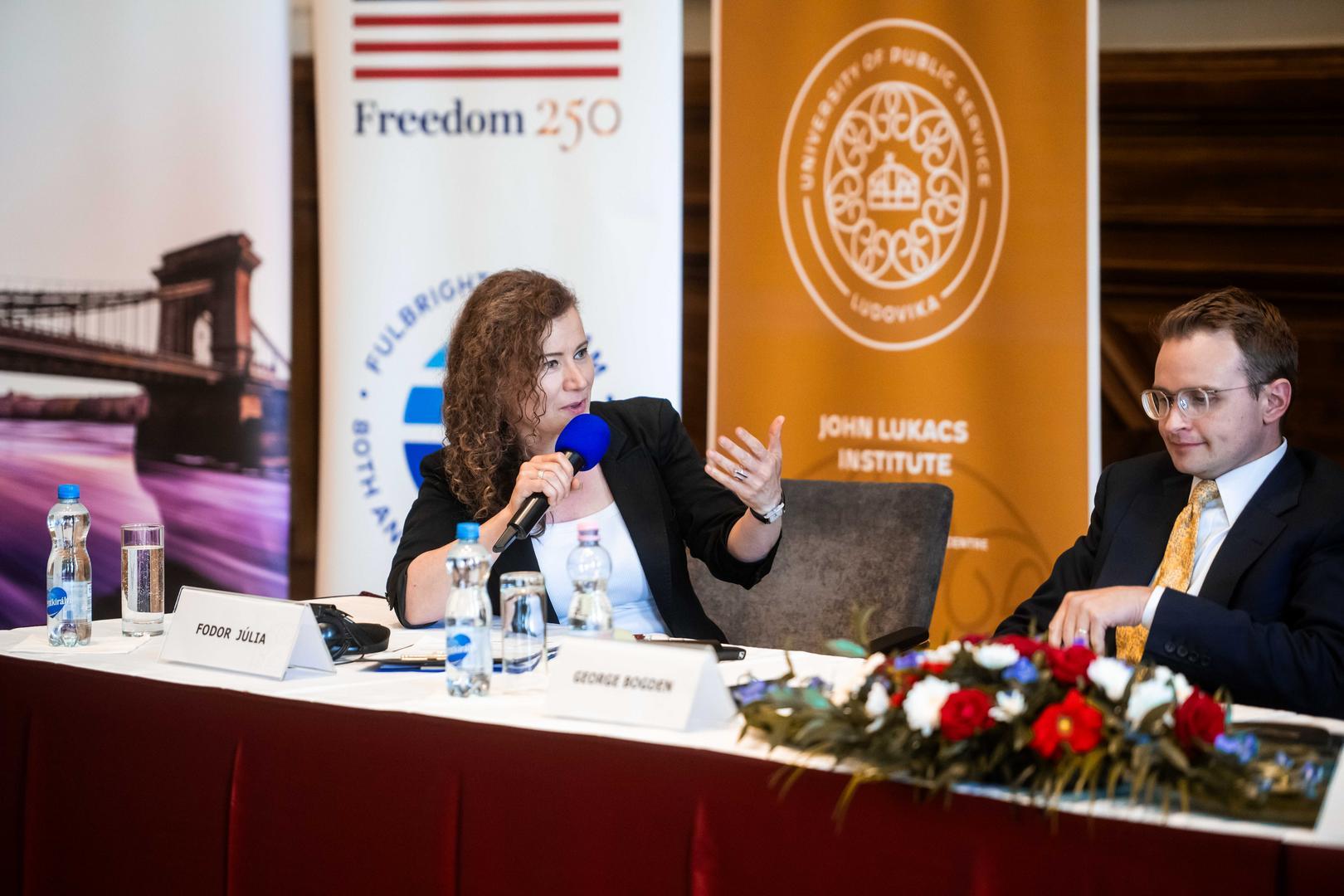
The second keynote address of the day was delivered by George Bogden, senior fellow at the Yorktown Institute and the Steamboat Institute, and a contributor to Continental Strategy, former Executive Director of the Office of Trade Relations at U.S. Customs and Border Protection. In his presentation, Bogden analyzed the relationship between American economic statecraft and constitutional governance. He emphasized that the U.S. Constitution both limits the power of the government and establishes its framework, particularly in the field of economic policy. From a historical perspective, he demonstrated that tariffs and economic regulation have played a defining role in American political thought since the colonial era. One of the fundamental conflicts of the independence movement itself emerged from the issue of taxation without representation. According to Bogden, contemporary American debates—especially those surrounding the tariff policies of the Trump administration—represent modern manifestations of the same historical questions. He described tariffs as strategic instruments through which the state can pursue economic and geopolitical objectives.
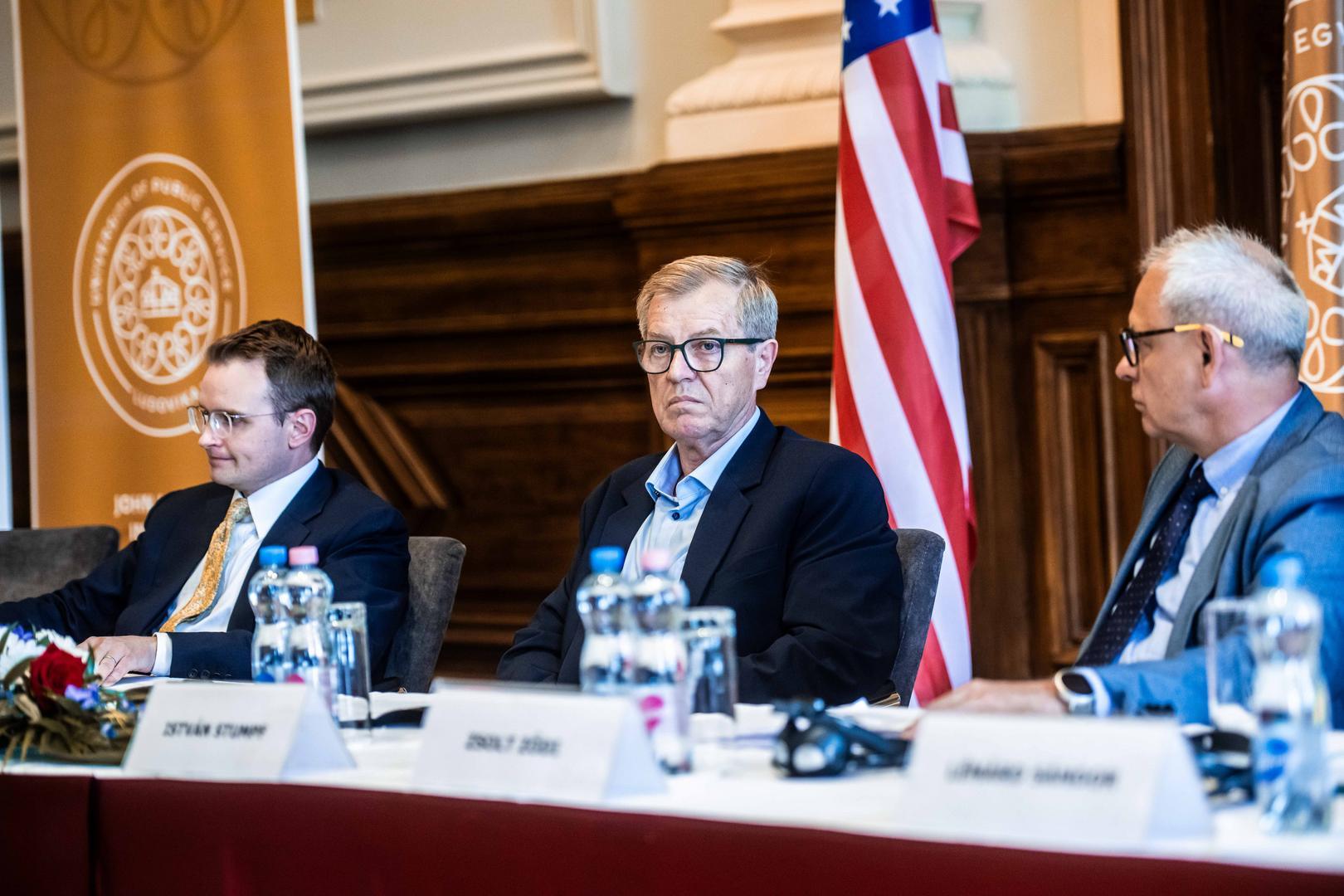
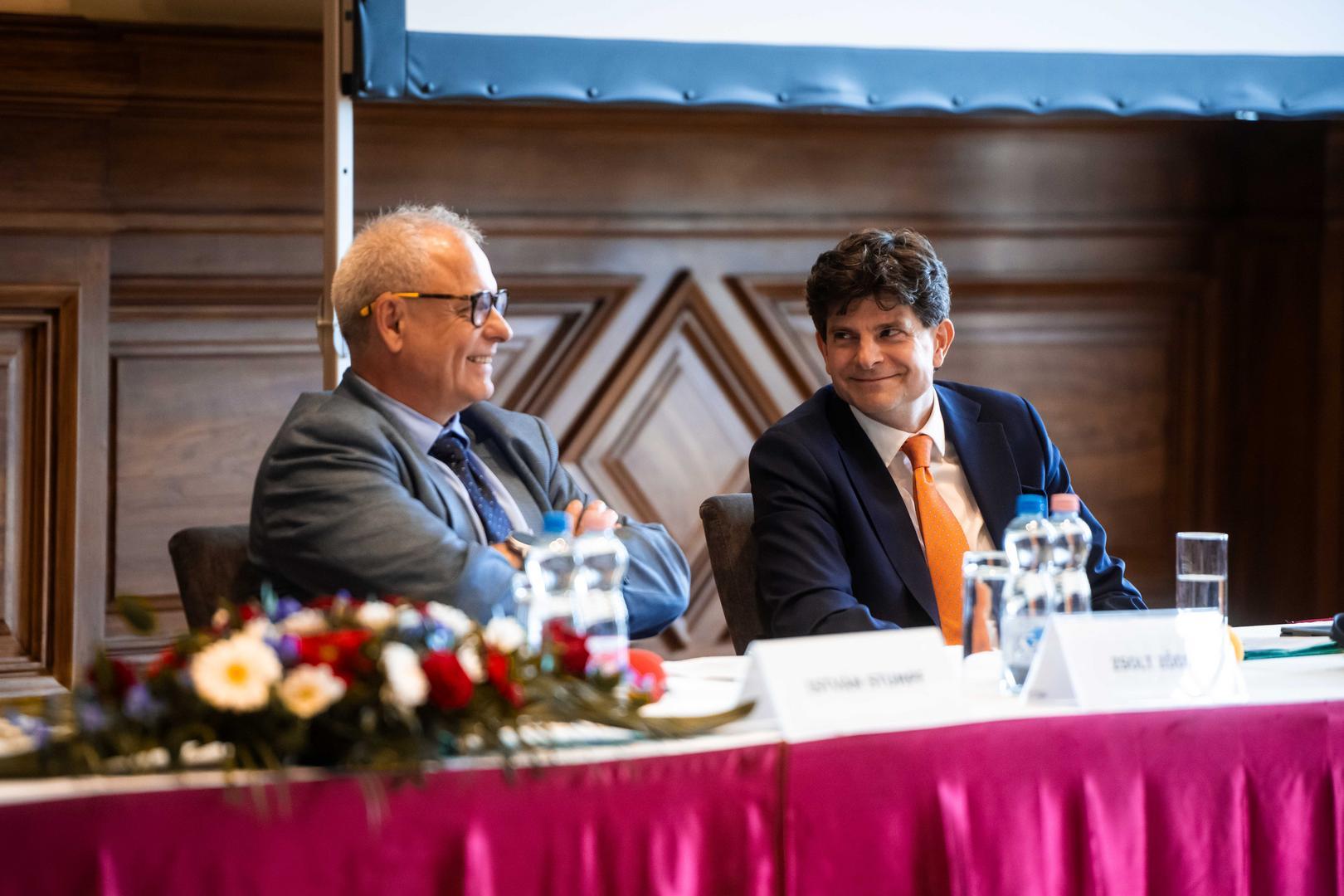
The presentation by István Stumpf, professor at Széchenyi István University, focused on the political and constitutional role of the Supreme Court of the United States. Traditionally regarded as a guardian of the separation of powers, the Court has increasingly become a focal point of political controversy. Its composition and decisions have had a profound impact on American public life because it has ruled on issues that have generated deep social and political debates.
Subsequently, Zsolt Ződi, research professor at the Institute for Information Society at the Ludovika University of Public Service, analyzed the relationship between social media platforms and freedom of speech through the lens of American constitutional traditions. He argued that the United States and Europe are increasingly diverging in their approaches to regulating digital platforms. He discussed the tradition of the First Amendment to the U.S. Constitution, which interprets freedom of expression very broadly, and outlined the legal framework that for many years granted significant autonomy to online platforms. In contrast, Europe has gradually developed a regulatory model that places greater responsibility on platforms for content moderation. These differences stem from distinct historical experiences and constitutional traditions. In the long term, he suggested, a balance between the two approaches will be necessary.
In his remarks, Lénárd Sándor, associate professor at Károli Gáspár University of the Reformed Church in Hungary, interpreted the Declaration of Independence and the constitutional founding process as the beginning of a long period of political and constitutional development. He examined the conflicts that emerged over the division of powers between the federal government and the states. While there are many parallels between American and European integration, he argued that a fundamental difference lies in the fact that the United States was founded upon a common political community, whereas Europe is built upon the cooperation of multiple historical nations and constitutional traditions. Consequently, the American model cannot simply be replicated within the framework of European integration.
During the panel discussion moderated by Júlia Fodor, assistant professor at Károli Gáspár University of the Reformed Church in Hungary, the speakers and George Bogden focused primarily on the future of American constitutionalism, the constitutional limits of economic statecraft, and questions of economic and regulatory competition between the United States and Europe. Participants also discussed the new challenges that globalization, technological change, and geopolitical competition pose to constitutional institutions.
The third keynote lecture was delivered by Walter Grünzweig, professor at Andrássy University Budapest, who examined Walt Whitman’s role in cultural diplomacy and his broader influence. He presented a special Walt Whitman volume published for National Poetry Day in 1964 and analyzed changing interpretations of Whitman’s work over time.
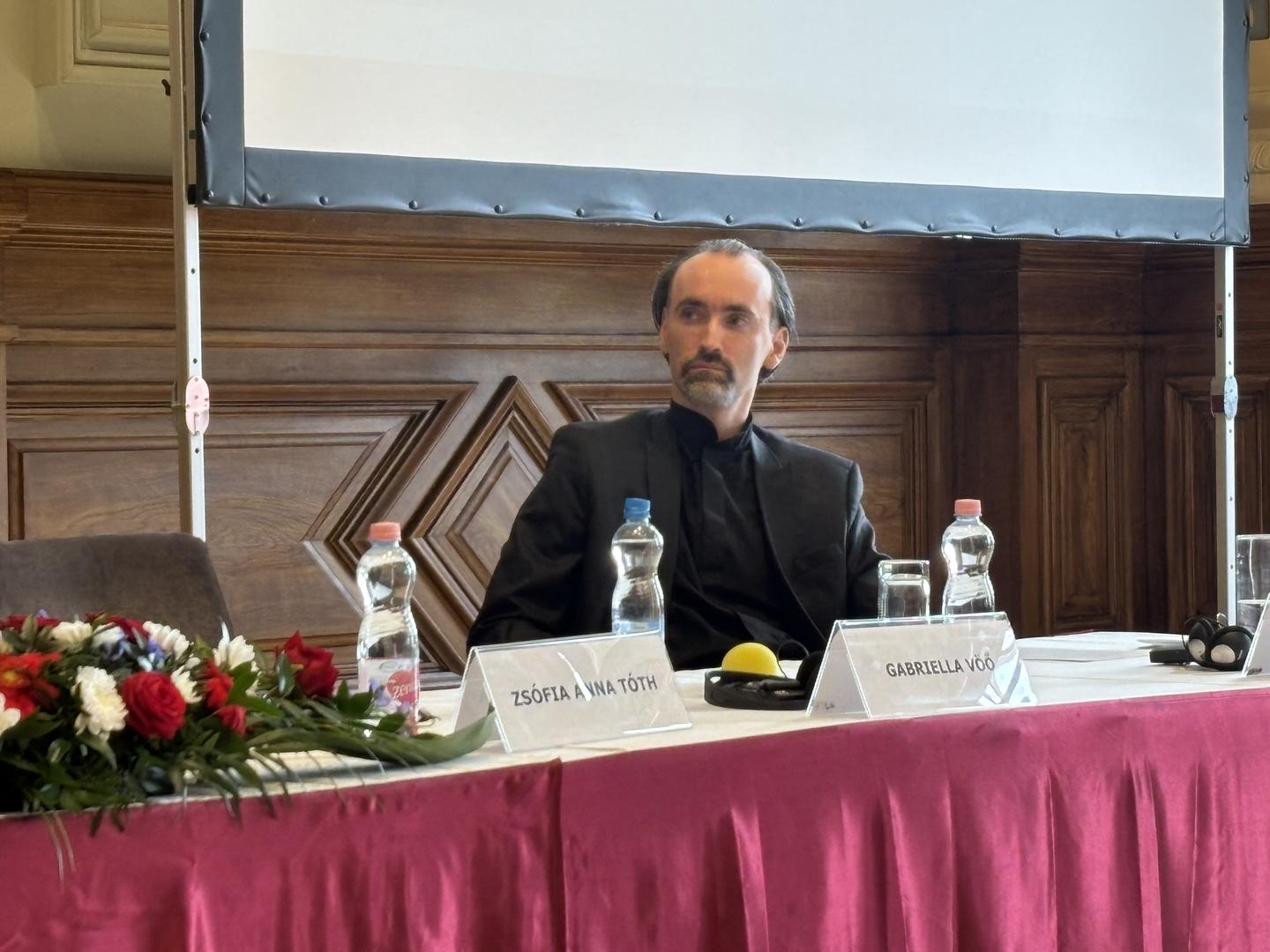
Following his lecture, participants discussed the soft-power dimensions of American culture. Anna Zsófia Tóth, lecturer at the University of Szeged, explored the origins, rise, and current state of the Disney empire through the changing portrayal of male and female characters in animated films. András Lénárt, also of the University of Szeged, examined the role of Hollywood and the American film industry in shaping American self-perception and imperial prestige. Gabriella Vöő, lecturer at the University of Pécs, analyzed the challenges and transformations involved in teaching American literature in both American and Hungarian contexts.
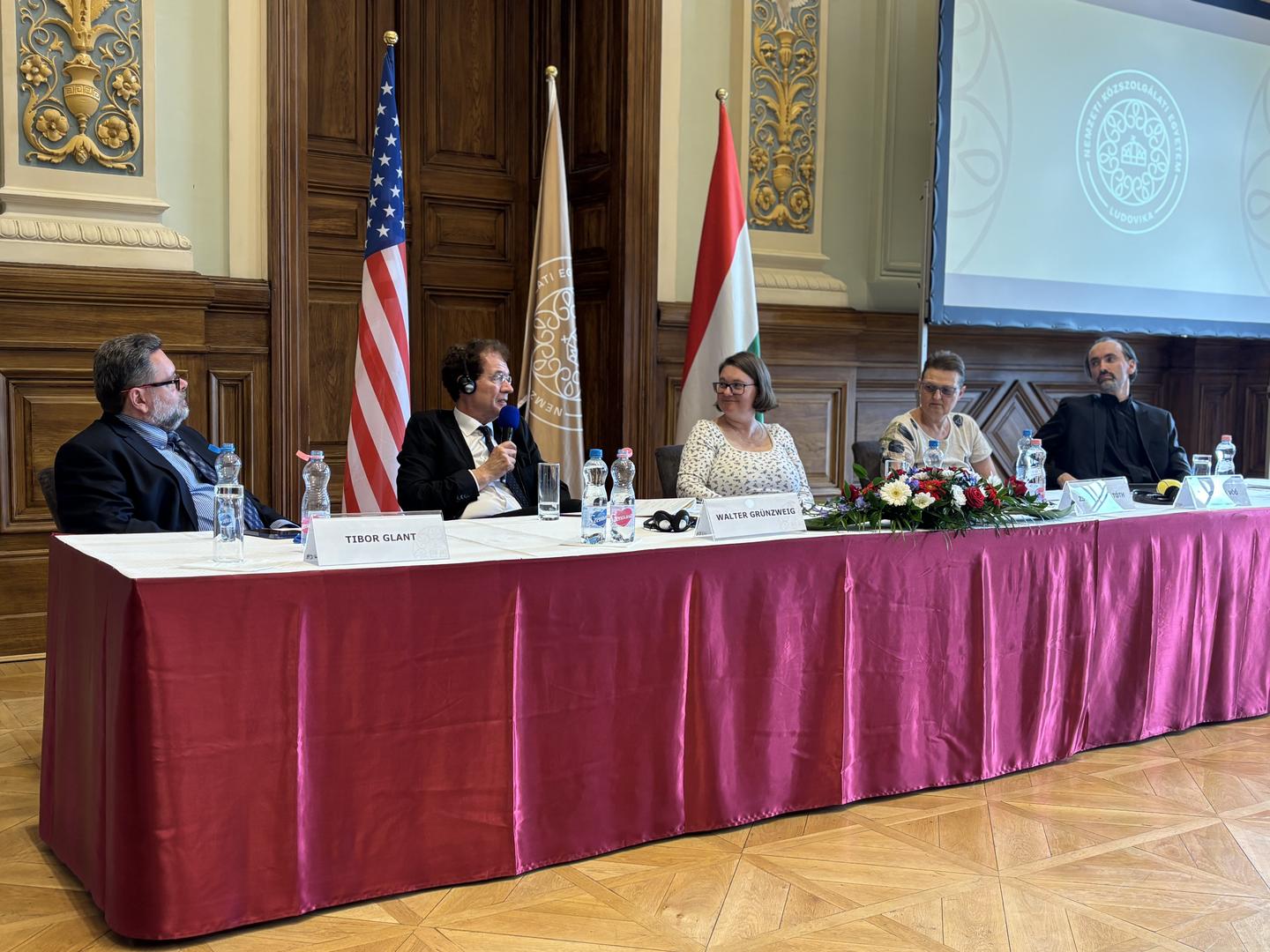
During the closing panel discussion, moderated by Tibor Glant, participants first reflected on each other’s presentations and then continued the conversation through audience questions, exploring the interconnections between soft power, propaganda, and cultural diplomacy.
Photos: Dénes Szilágyi
Translation: John Lukacs Institute for Strategy and Politics