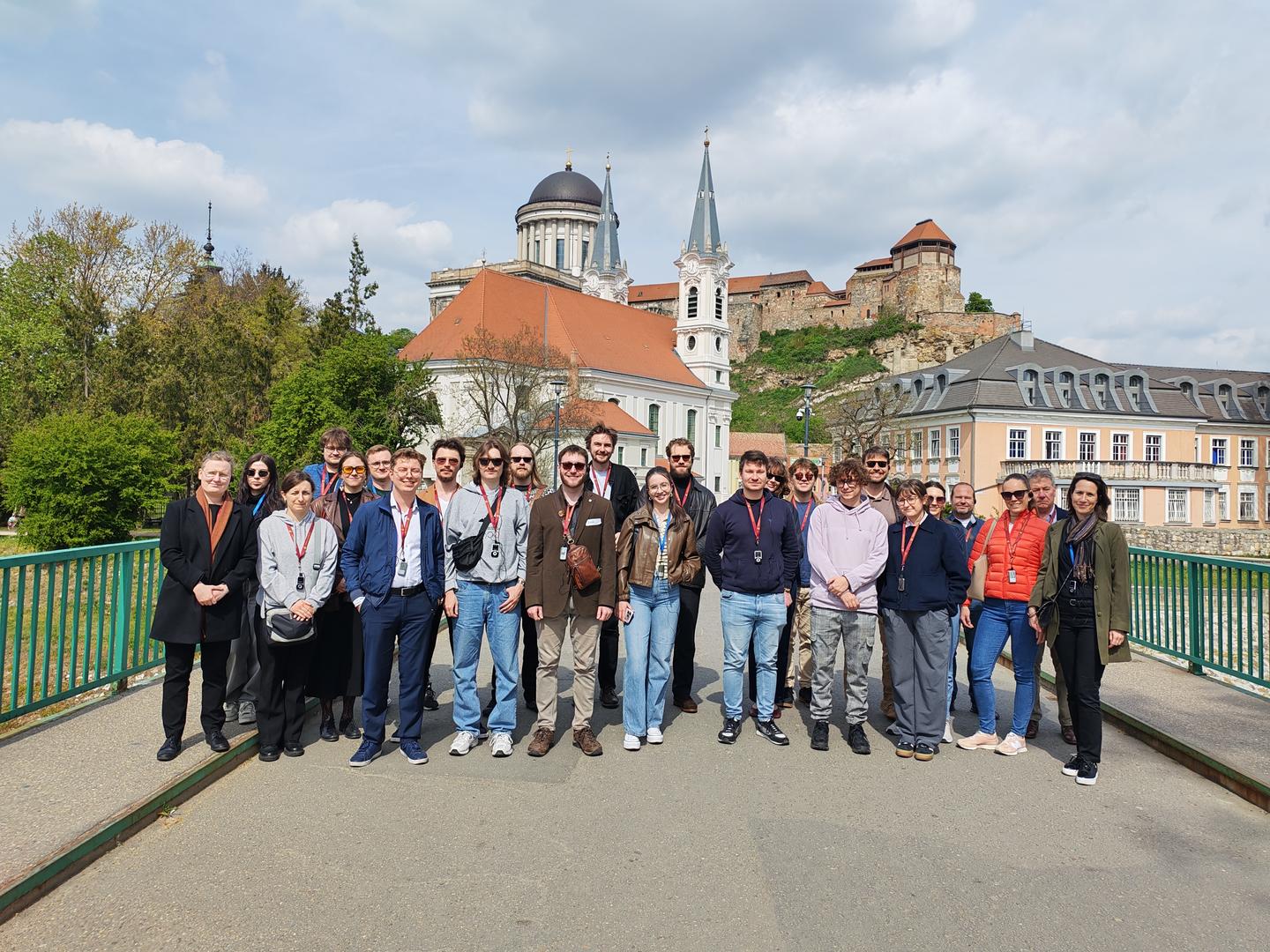
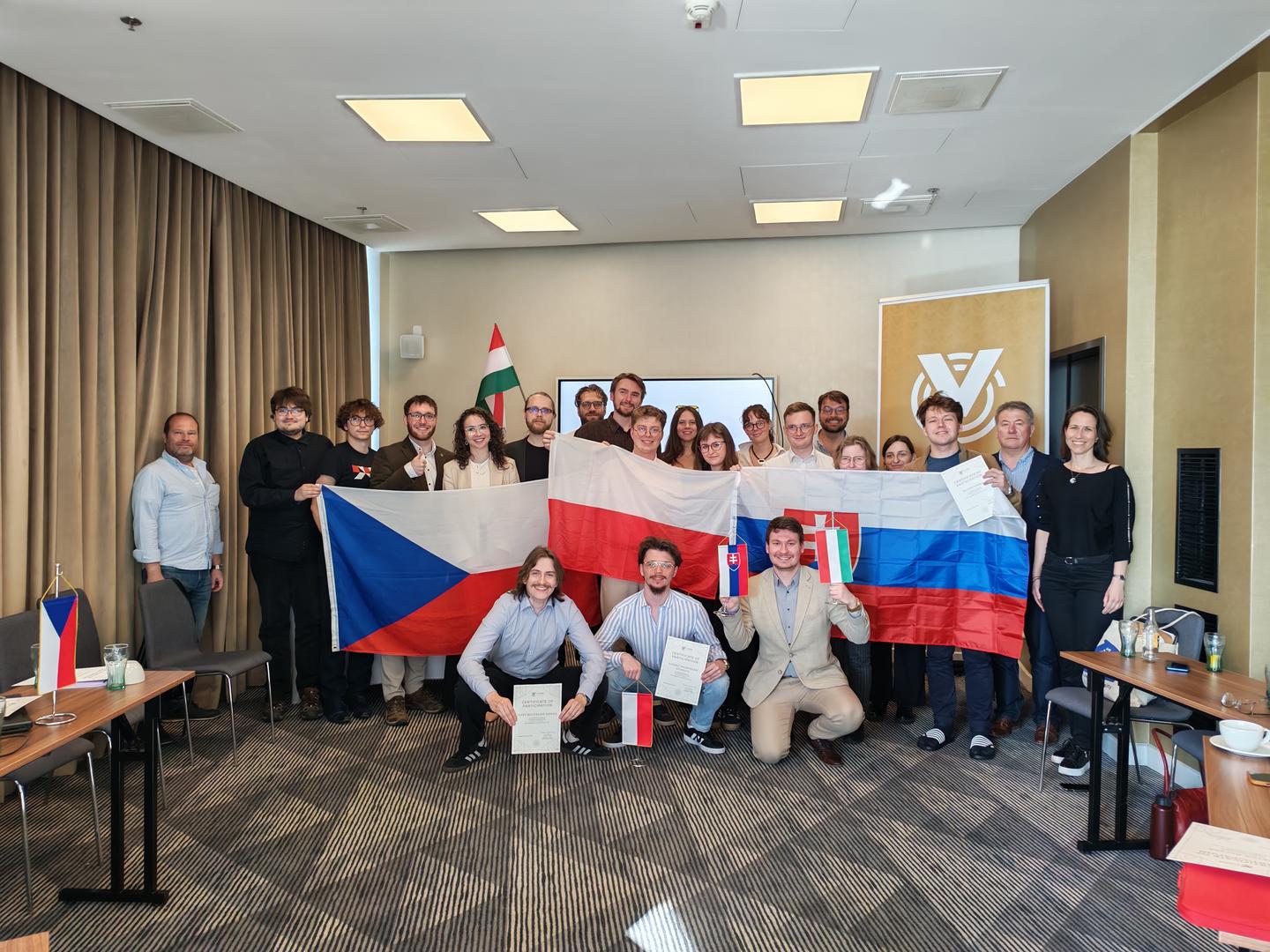
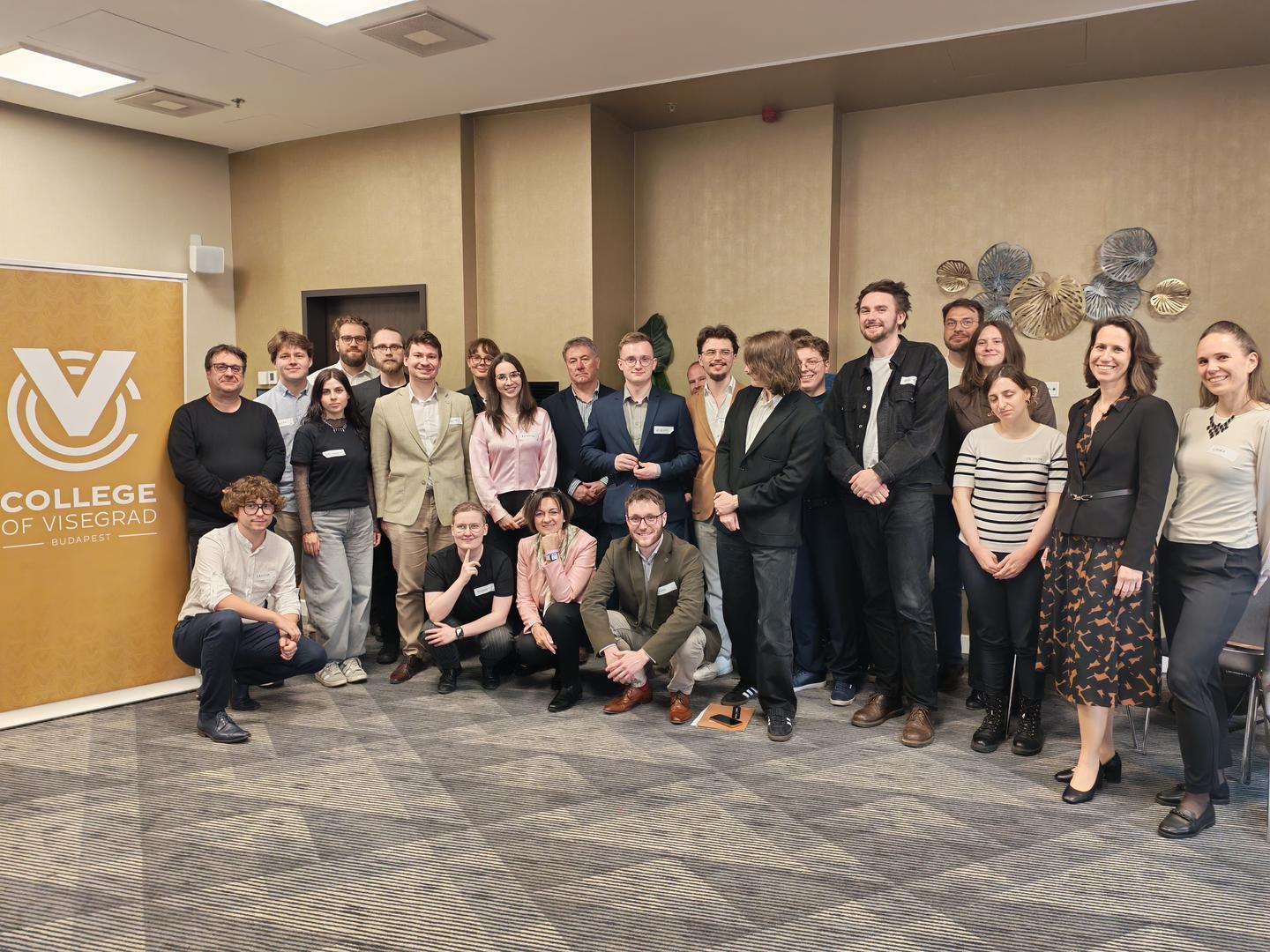
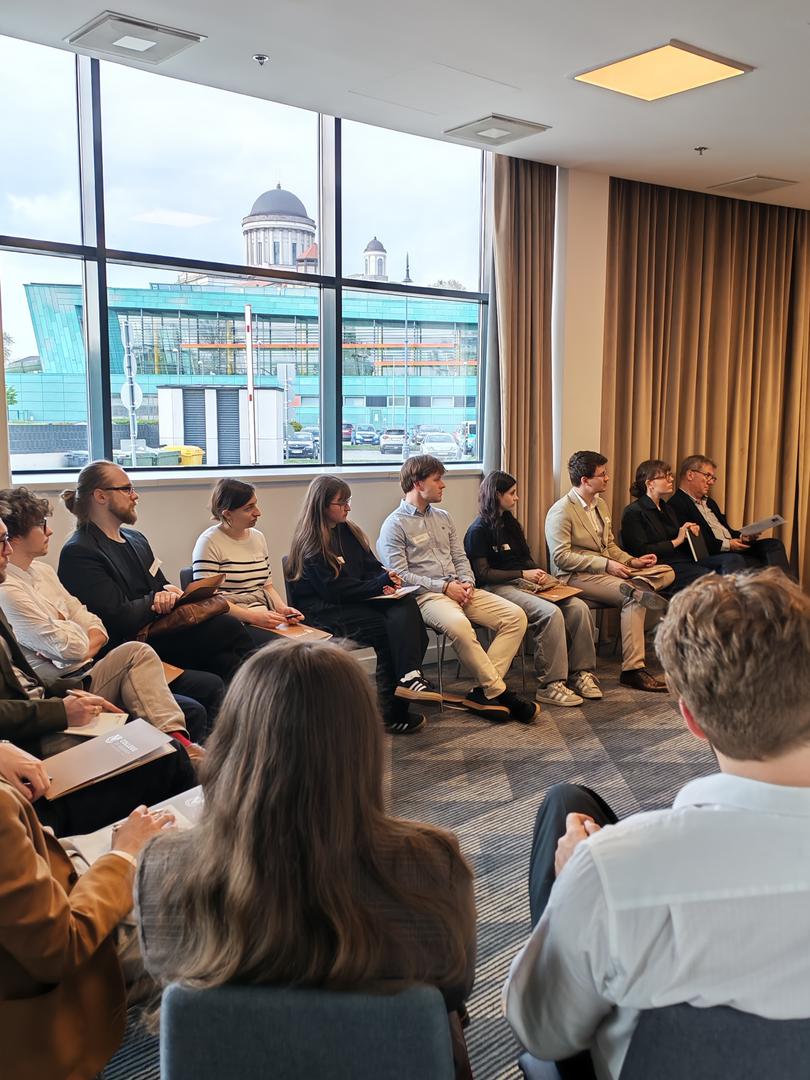
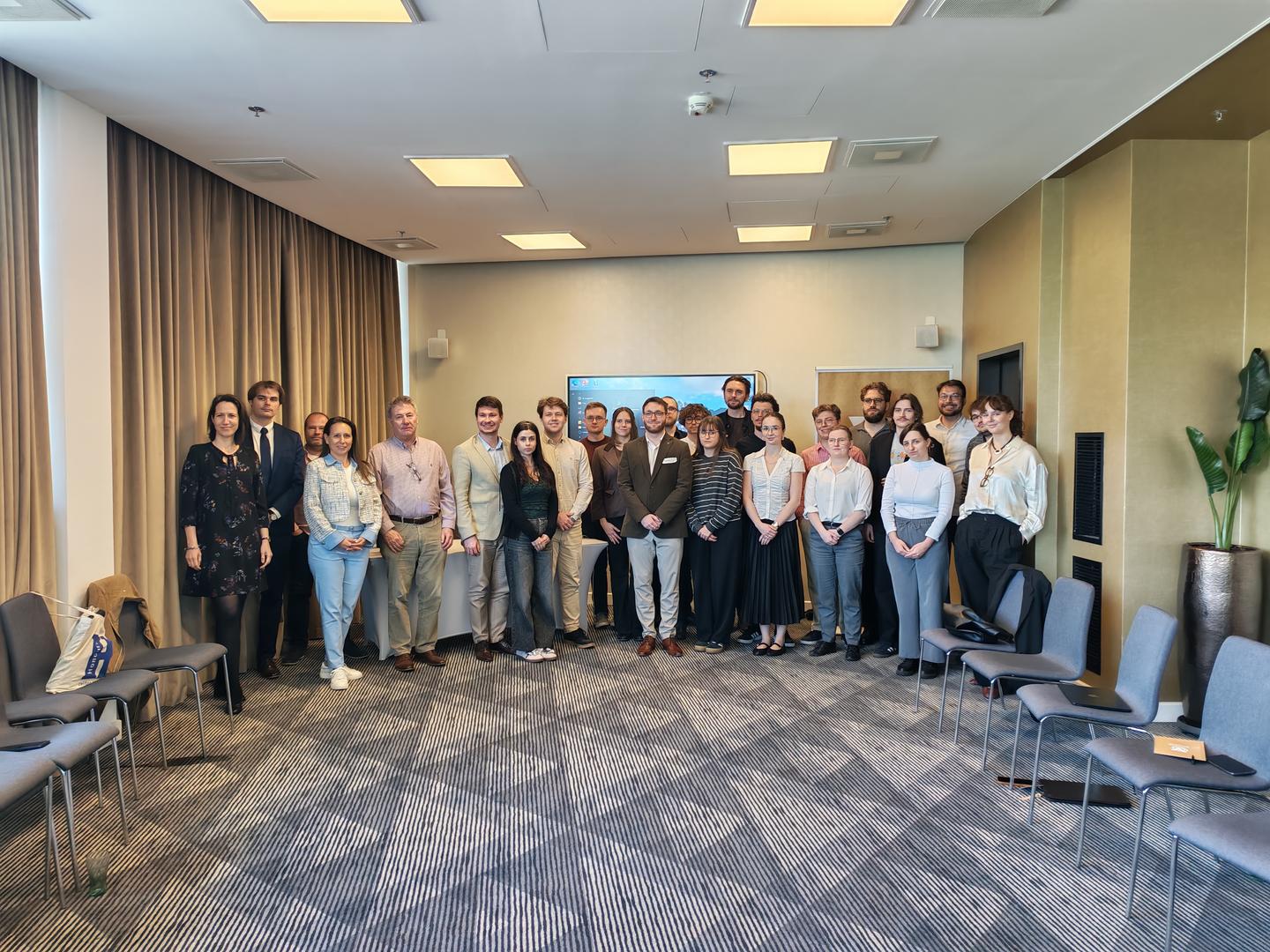
Between 15-19 April, 2026 the John Lukacs Institute has organized already its 5th College of Visegrad+ (CoV+) event, this time in the beautiful city of Esztergom.
The 5th CoV+ focused on the historical western and transatlantic ties of the V4 region. 19 students came from all V4 countries to discuss the EU-US and the V4-US relations, in order to understand „the big picture”, the current international developments, the opportunities and threats for the V4 countries in a new world order, how the V4 countries have shaped US culture, politics or even history, what interests the US had in the past in this region and what aspirations it has today. It helps to identify ourselves, the role, place and interests of Eastern and Central Europe in the transatlantic dimension.
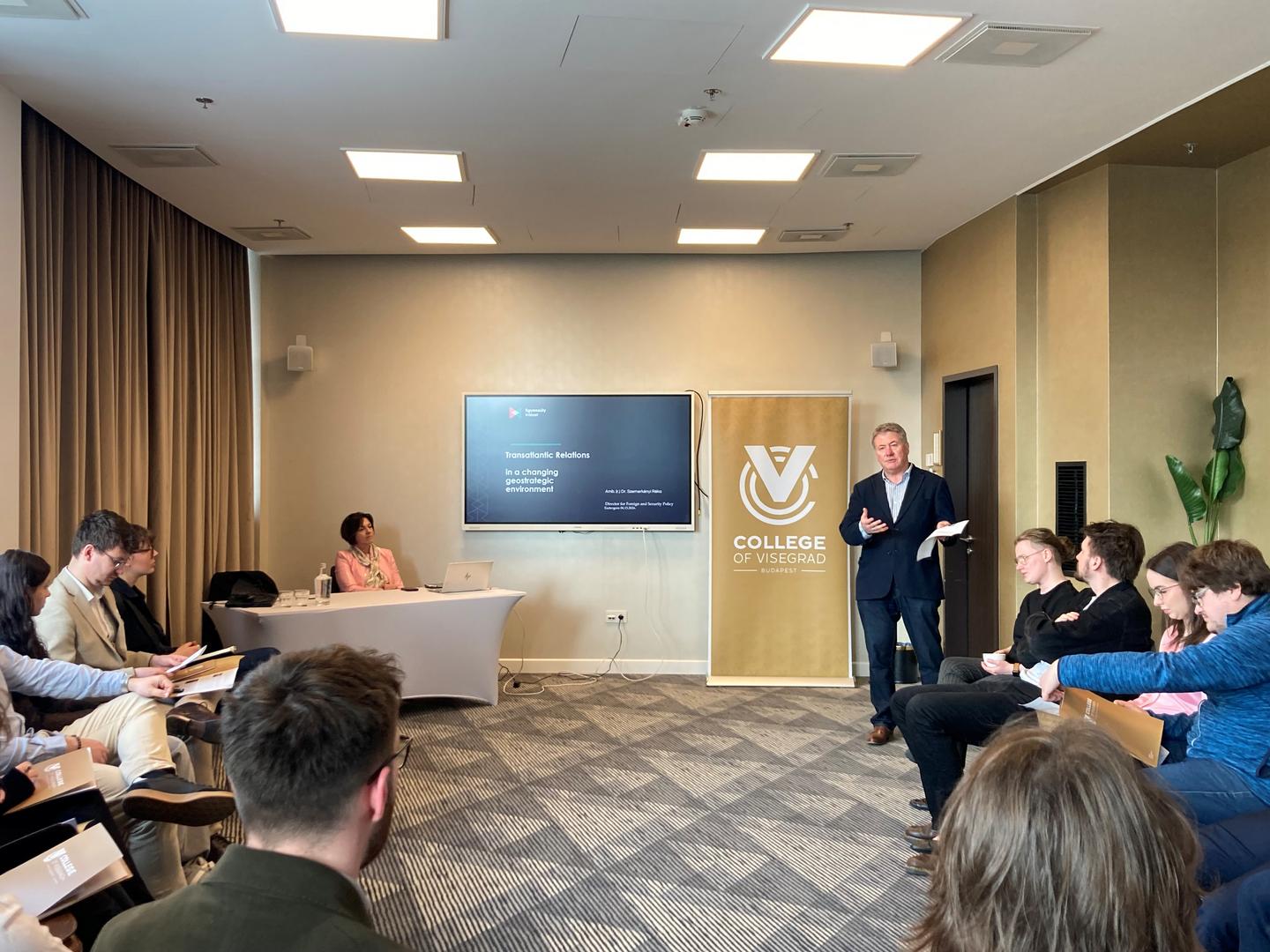
Gergely Prőhle, Programme Director of the John Lukacs Institute and initiator of this College of Visegrad+ Programme highlighted the intention of the elected, future Prime Minister to revitalize and strengthen Visegrad Cooperation, which is in line with Mr Prőhle’s wish to build a widening network of these enthusiastic young people, who are truly interested in the future of the V4 cooperation. Réka Szemerkényi, Director of International Affairs of the Equilibrium Institute, former Ambassador of Hungary to the USA, gave an opening speech on transatlantic relations, the main trends characterizing these relations today and the main possible international tendencies that can affect the situation and opportunities of Central-Europe in the future.
On the second day we focused on the political aspects. Petr Just, Vice-Rector for Quality and Development and Head of Department of Political Studies and Anglophone Studies at the Metropolitan University Prague, gave a historical overview and spoke about the state and challenges of the current political relations between the US and the EU/V4 from an US point of view, then Vít Hloušek, Professor at the Department of Political Science and Anglophone Studies at the Metropolitan University Prague, examined the same topic but from a European perspective. And speaking of politics, Róbert László, Election Expert at the Political Capital Policy Research and Consulting Institute gave us a comprehensive insight into the recent elections in Hungary (results, causes, next steps, etc).
On 17th of April, Gábor Csizmazia, Assistant Lecturer and research fellow of the John Lukacs Institute held an interactive discussion about the security aspects of the endeavors of the USA as a global actor. Réka Varga, Dean and Associate Professor of the Faculty of Public Governance and International Studies at the Ludovika University of Public Service examined the role of the UN and international law in the global order, how the US or even small states can have influence on global actions, and demonstrated it to the participants by leading a debate simulation with them. Then Piotr Arak, Chief Economist at VeloBank, Assistant Professor at the Faculty of Economic Sciences at the University of Warsaw examined the topic from an economic perspective and gave an interesting and comprehensive presentation on the effects of the tariffs recently introduced by the USA, how well these instruments work, and the threats and opportunities facing the V4 economies.
On the 18th of April Professor Kamil Glinka, Deputy Director for Science and Development at the Institute of Political Science at the University of Wroclaw gave a future-oriented insight into the V4 cities as bottom-up actors of new technologies in terms of EU-USA global competition.
The participants (students and young experts) have also actively contributed to the program by their lively discussions, conversations, group presentations and even by presenting their own academic researches (thanks to Adam Piwowonski, Karel Voltr and Michaela Szittyaiová)!
In addition to the professional side of the event, cultural programs, sightseeing events, V4 movie and game nights made the program more colourful and unforgettable!
The event was co-financed by the Ludovika University of Public Service and the Ministry of Foreign Affairs and Trade of Hungary.